

- Tata Motors
- Tata Power Renewable Energy Limited
- EV Charging Solutions
- EV Charging Points
- Electric Vehicles
- Commercial Electric Vehicles
EXPANDING BUSINESS REACH
- By Sharad Matade
- October 20, 2020
Early this year, Bridgestone India, part of the Bridgestone China, Asia-Pacific SBU, joined the company's EMEA Strategic Business Unit (SBU) and became a part of the Bridgestone Emerging Markets division, alongside the company's businesses in Africa, the Middle East, and Russia. The change will expand Bridgestone India's business reach, especially in digital space, retails, OE and aftermarket sales in both passenger and commercial tyres in line with the transition that is happening in the Indian auto industry.
_0.jpg)
"The European markets are very advanced in terms of auto and tyre regulations and technologies. We see the regulations (related to the auto and tyre industries), being introduced in India, are also going in the same direction of the Europeans' with rapid speed. For instance, we have jumped from BSIV to BSVI to match the European standards. In addition to that, the company's European tyre business is quite mature and advance in specific areas such as digital technology and fuel efficiency of tyres and we also see these becoming big areas for the Indian tyre industry soon. So, by connecting the Indian entity more closely with our EMIA set up, we can leverage the knowledge and expertise of the European market to help develop the Indian business faster," says Parag Satpute, Managing Director, Bridgestone India Private Limited.
Today the Indian auto industry is witnessing faster adaption of global disruptive technologies and trends in the local context. However, bringing disruptive technologies in the Indian market will not be easy for Bridgestone as demand is still primarily determined by prices. According to Satpute, the Indian market is growing rapidly across the sectors, and the country will witness a leapfrog to opt for new technologies. "A decade ago, the e-commerce business was not existent in India but see how quick it took off. The digital evolution has also happened at a faster pace in India. The cell phones came to India comparatively late, but today the penetration of cell phones is very high compared to any other nation. The same kind of growth will happen in the automotive and tyre sector in India. Being a global leader in the tyre industry, we would also like to be a front runner in India and connecting to our European setup allows us to leverage technologies directly as and when the Indian customers are ready to adapt," explains Satpute.

Among the new mobilities, Satpute is bullish on the shared and electric mobility in India. Satpute predicts that due to value prepositions, the shared mobility will continue its dominance in India, barring the current hiccups, in the long run. According to a new study by Frost & Sullivan, the Indian shared mobility market is expected to further grow at a CAGR of 9.7% between 2019 and 2025 to reach 4.7 million. Total revenue from ride-hailing services is valued at $22.40 billion and is expected to grow at a CAGR of 13.7% over the 2019- 2025 period, said the study.
Satpute sees a rapid growth in the EV space. "We have seen that the government is very aggressive to make better growth opportunities in the EV segment. Today the electric vehicle market is small, but it is another segment which has the potential to grow very fast. We are very keen to be partnered with OEs for EVs by using our experience of developing EV tyres in Europe and Japan. We're working very closely with leading OEs,” " adds he.
Under the FAME II, the government has increased the financial investment for EVs and mobility to $1.4 billion, more than a 10-fold increase from INR 895 crores ($129 million) under the past FAME I scheme.
Getting the maximum mileage per charge is the core demand of electric vehicles and Bridgestone, in the Indian market, is already offering a line of products that increases fuel efficiency. For example, the Ecopia tyre line increases fuel efficiency by 7% to 10%. Recently the company has also launched a new technology called ENLITEN in Europe for electric vehicles which increases the mileage per charge. ENLITEN Technology enables tyres to have a super low rolling resistance for excellent fuel efficiency and improves vehicle handling and driving dynamics to help increase driving pleasure. "We will bring such technologies to India, if the demand of the electric vehicle picks up," says Satpute.
"Another factor that drives the growth for the EVs tyres is low noise. In Europe, we have deployed the technology that reduces noise of tyres.. However, currently, we do not see the noise reduction is a big topic of the discussion in India, but it will come. In future the low noise will be one area that we will be focusing on and we have the right capability to bring that technology," he said.
Contactless solutions

According to Satpute, during the COVID and even post COVID, people will prefer contactless solutions for buying and servicing tyres. In line with the trends, Bridgestone India introduced Contactless Tyre Servicing platform called 'Bridgestone Bookmyservice', the platform enables customers to take an online appointment in a few clicks, making them spend less time in outlets with these pre-planned visits. "People don't want to go to different dealers and haggle over prices. The focus in the current times remains on being safe. And that being our core value, we came up with this solution which enables our customers to avail essential services without compromising their safety as well as that of our channel partners."
However, Satpute also adds that tyre selling on e-commerce might be limited. "You need professional equipment and skill for fitting, balancing and other related services. What we have seen is that people do research to understand and find perfect tyres online but then go to stores to buy them. Now, with the digital platform, we can connect customers with to our physical stores. Today the company has over 4,000 outlets out of that 500 are dedicated for contactless services which are present in tier 2 and tier 3 cities as well. The company will leverage the select store network to accelerate that contactless businesses.”
Indian consumers are also getting conscious of safety. "Indians are now looking more into the safety aspect. Trusted brands will be preferred in the long run."
The increasing purchasing power of Indians, thanks to growing income and economy, will boost demands for passenger cars in India. While the commercial vehicle segment in India will thrive on improving infrastructure and road connectivity. The trends in the commercial vehicles segment will open new avenues for Bridgestone India. The total cost of ownership is becoming focal points for trucks and buses manufacturers to push their products in the market, and that is making way for modern vehicles, equipped with technologies. Satpute says modern trucks and buses will fuel more demand for radial tyres, which has around 40% market share in the total commercial vehicles tyre market. "It is true that the commercial tyre market is dominated by a handful of players. But around 60 % to 65 % of commercial tyre market is of bias tyres where we do not have a presence. With better infrastructure and modern vehicles, radialisation will pick up in the segment," he says. In 2013, Bridgestone India entered the commercial tyre segment. In the passenger vehicle tyre space, the company claims to be among the top three players, for the segments they operate in.
Another potential business Satpute sees is selling tyres as a service. Bridgestone India is going further ahead and offering tyres as a service under which the Japanese tyre company does not sell tyres to fleets but takes over the responsibility of managing the tyres. "We take care of fitment, service and maintenance of tyres and charge per kilometre of the usage. This is an exciting business model with the companies which have good products. This business has started with advanced fleet companies in India, we see this business will grow rapidly in India."
Sustainability is at the core of Bridgestone India's business. It offers products that reduce fuel consumption and lower CO2 emissions. On the manufacturing front, the company uses energy procured from eco-friendly resources for energy. At its Pune plant, the company installed 1 MW of solar capacity at its plant and is in the process of setting up of another 4 MW of capacity. The Indore plant in Kheda, in Madhya Pradesh in Central India, has 1 MW solar energy capacity that is being enhanced by another 1 MW capacity.
Future Of Tyre Manufacturing: Engineering For An Untamed World
- By Devin Gawarvala
- October 20, 2026
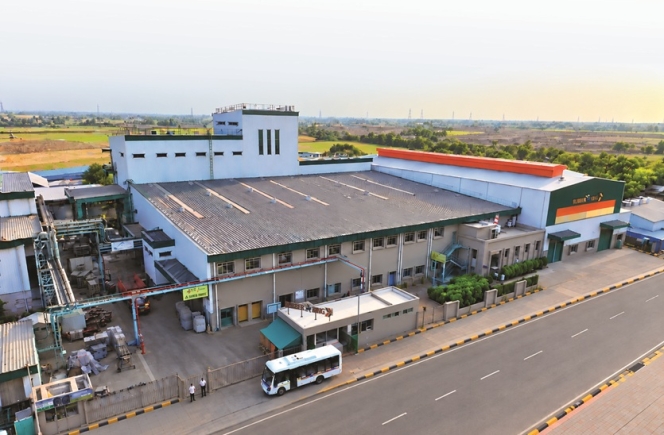
The tyre industry is entering one of the most transformative phases in its history. Manufacturing is no longer defined only by production capacity, compound formulation or tread design. The future will be shaped by how effectively manufacturers combine advanced engineering, intelligent manufacturing, sustainability, application-specific innovation, smart technologies and global competitiveness.
For us at Rubber King Tyre Pvt. Ltd., the direction is clear: the tyre of the future must perform reliably where conditions are most demanding. This philosophy is captured in our brand promise: ‘RULE THE TERRAIN – Tyres for the Untamed’.
It represents more than a tagline. It reflects how we see the future of tyre engineering – developing products capable of performing across challenging agricultural fields, construction sites, mining environments and demanding material-handling applications as per customer expectations.

Devin Gawarvala
FROM TYRE MANUFACTURING TO PERFORMANCE ENGINEERING
Customers today are increasingly evaluating tyres on total performance rather than purchase price alone. Tyre life, traction, load-carrying capability, resistance to cuts and wear, heat management, equipment uptime and overall cost per operating hour are becoming critical considerations.
This is particularly relevant in the OTR, agriculture and industrial segments, where operating conditions can vary dramatically.
The future, therefore, belongs to application-driven tyre engineering. Instead of developing products primarily around dimensions and specifications, manufacturers will increasingly engineer tyres around the machine, terrain, load cycle, operating hours and customer requirements.
At Rubber King, this approach aligns closely with our focus on pneumatic and solid tyre solutions across agriculture, construction, mining, OTR and industrial applications. The company currently operates four manufacturing facilities in Gujarat and has built its product philosophy around durability, performance and precision engineering.
SMART MANUFACTURING WILL REDEFINE CONSISTENCY
The next major transformation will take place inside tyre factories.
Automation, digital process monitoring, data analytics and increasingly intelligent manufacturing systems will enable manufacturers to achieve greater consistency while improving productivity and reducing process variations.
However, smart manufacturing should not simply mean installing more automated equipment. Its real value comes from connecting people, processes, machines, materials and data.
Data generated across mixing, component preparation, building, curing, inspection and testing can help manufacturers identify variations earlier, improve traceability and strengthen preventive quality systems.
For Indian manufacturers, this presents an important opportunity. Combining our manufacturing capabilities and engineering talent with greater automation and digitalisation can significantly strengthen India’s position as a global tyre manufacturing hub.
SUSTAINABILITY MUST WORK ALONGSIDE PERFORMANCE
Sustainability will also become fundamental to the future of tyre manufacturing.
The industry will need to examine the complete product lifecycle – from sourcing raw materials and improving manufacturing efficiency to extending tyre life and addressing end-of-life recovery. Recent industry research is already demonstrating the potential of bio-sourced materials, recycled inputs and recovered carbon black to reduce the environmental footprint of tyre production while maintaining required performance standards.
For manufacturers, the challenge is to ensure that sustainability does not come at the cost of durability or safety.
In demanding OTR and industrial applications, a tyre that lasts longer can itself contribute to resource efficiency. Extending service life, reducing premature replacement and improving operating efficiency should therefore form an important part of the sustainability conversation.
The future will require manufacturers to achieve both objectives: lower environmental impact and higher product performance.
R&D WILL BECOME THE COMPETITIVE DIFFERENTIATOR
As equipment becomes more powerful and applications become increasingly specialised, research and development will play an even greater role.
Compound technology, casing design, tread geometry, heat dissipation, rolling resistance, cut and chip resistance and load optimisation will continue to evolve. At the same time, faster testing and feedback from real-world applications will allow manufacturers to shorten development cycles.
Rubber King’s R&D approach includes product development, technology upgrades, process optimisation, material evaluation and testing procedures aligned with internationally recognised standards.
The objective must be simple: understand the application before engineering the tyre.
INDIA HAS AN OPPORTUNITY TO LEAD
India’s manufacturing ecosystem is moving from being viewed primarily as a cost-competitive production base towards becoming an engineering and innovation partner for global markets.
For Indian tyre manufacturers, this creates a significant opportunity.
To compete internationally, however, we must benchmark ourselves against global standards – not only on price but on product consistency, technology, service, innovation and application knowledge.
At Rubber King, our international presence across more than 90 countries reinforces our belief that Indian manufacturers can develop products in India while competing confidently across global markets.
The next decade of tyre manufacturing will ultimately be about engineering confidence – confidence that a tyre will perform when the terrain becomes difficult, the load becomes heavier and the operating environment becomes unpredictable.
That is where manufacturing technology, R&D and customer understanding must come together.
Because the future will not always operate on perfect roads or predictable surfaces.
It will be built for the untamed.
RULE THE TERRAIN – Tyres for the Untamed.
The author is Entrepreneurial Founder & Director, Rubber King Tyre Group
Innovative - Intelligent - Integrated Tyre Manufacturing
- By Ertugrul Bahan
- October 16, 2026
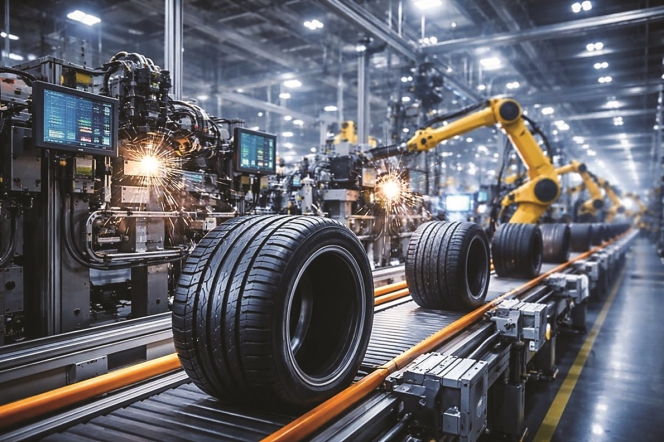
The innovative, intelligent and integrated tyre manufacturing system marks a paradigm shift and is an indispensable tool for a fundamentally different vision of the future.
This model fosters a highly networked, data-driven and agile production environment and revolutionises traditional, labour-intensive manufacturing. This model must be combined and integrated with integrated product development, intelligent automation and data-driven optimisation.
In this model, tyre design, materials and manufacturing processes are controlled within a unified framework to achieve defined objectives. The model’s principle is based on a comprehensive and integrated development process, ensuring the achievement of consistent objectives tailored to the vehicle application, operating conditions and customer requirements.
The overall model digitally integrates and networks all phases of the tyre lifecycle, from the development and design of rubber compounds to product marketing. Data relating to design, manufacturing, testing and customer service are consolidated in a centralised and unified digital system.
This model resembles an autonomous system integrating AI and enabling the automation of repetitive tasks, predictive maintenance and real-time quality control without manual intervention. However, it already takes customer expectations into account from the design stage.
The ZC Rubber model represents a transition from theory to practice, requiring a top-down strategic approach that takes into account the product realisation architecture as well as the overall organisational culture.
ZC Rubber incorporates such a model, relying on platform-based strategies that directly leverage its proprietary X-Tech and Phecda Tech Systems. This provides an effective foundation for the continuous development of speciality tyres. The integrated system supports the development of original equipment and replacement tyres for the company’s three main brands.
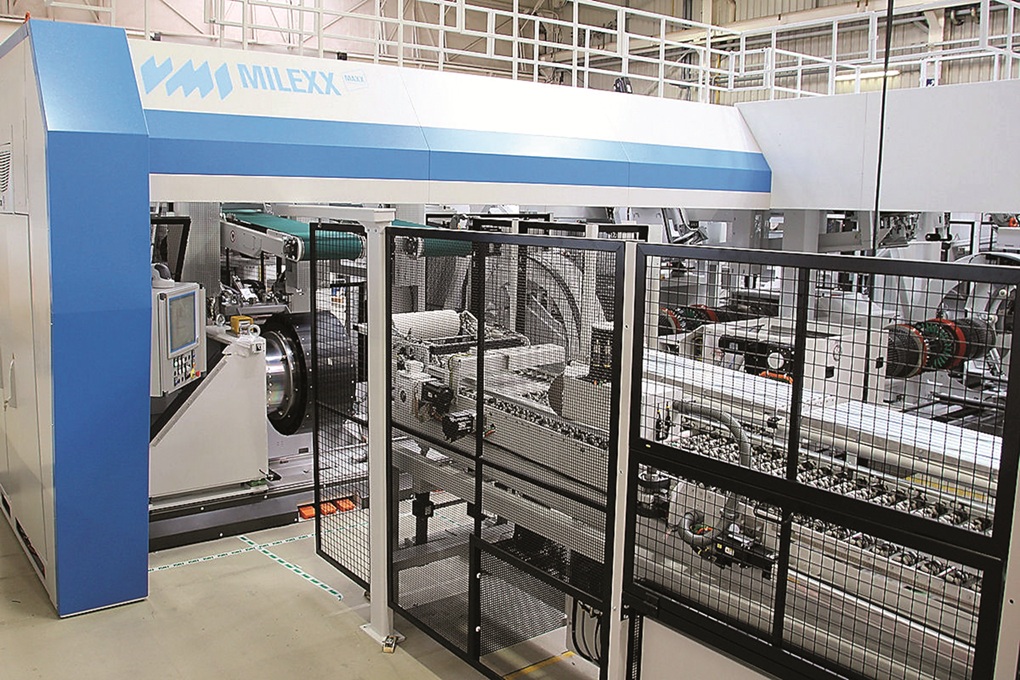
ZC Rubber combines materials research, product development, manufacturing and validation within an integrated development process. This expertise enables faster product development, more consistent production and better alignment with the specific requirements of automotive platforms and markets. As a result, advancements in research and development generate measurable added value for automakers, suppliers, fleet managers, dealerships and drivers worldwide.
ZC Rubber’s model enables manufacturers to simulate production scenarios and identify bottlenecks at every stage of product realisation. It is not an isolated simulation environment but rather a deeply integrated, AI-powered development approach that directly links virtual design and testing with smart manufacturing.
AI models analyse data for predictive maintenance and for overall efficiency, detecting failures before they lead to costly production downtime requiring immediate intervention. With the emergence of trends such as AI-driven automation, latency is becoming an increasingly critical factor.
Since the 1990s, various shop floor management (SFM) systems have proven their worth and have been integrated into enterprise resource planning (ERP) systems. ERP is based on different manufacturing execution systems (MES), which utilise real-time information systems and embedded software, as well as programmable logic controllers (PLCs) and SCADA systems for control and data acquisition. For many years, SFM systems optimised production processes, minimised downtime and increased the productivity of tyre manufacturers. Today, however, the integration of all digital systems, including those involved in the product development phases, is essential.
For an integrated and efficient production model, latency – also known as ‘processing time’, i.e. the calculation or inference time of control systems – is of increasing importance in order to prevent malfunctions and ensure machine synchronisation. It must be virtually zero and is often measured in microseconds (μs) or milliseconds (ms) because industrial servers continuously monitor parameters such as vibration, temperature and pressure.
This is why the Chinese national standard for network architecture in tyre manufacturing mandates extremely low latency, less than or equal to 30 ms – a crucial factor for features such as remote monitoring and predictive maintenance.
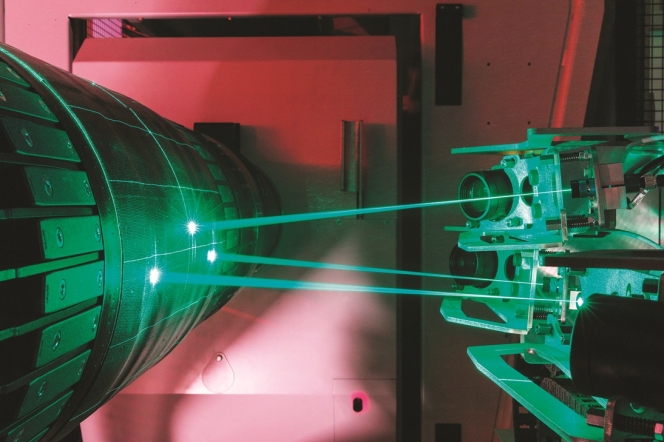
Optical detection and image acquisition are playing an increasingly important role and are driven by AI-assisted feature extraction and deep learning systems. High-resolution cameras and laser monitoring systems control critical parameters in real time, such as tread and sidewall cross-section measurements, profiling and regularity, innerliner thickness mapping, bead geometry inspection and measurement of chafer thickness and width. The use of these models optimises the entire manufacturing process and ensures efficiency and precision.
Automated guided vehicles (AGVs) have been used for years in tyre factories to manage and ensure a smooth and efficient transport and flow of materials and tyres between workstations. More recently, autonomous mobile robots (AMRs) have emerged as intelligent tools capable of acting and moving independently, rather than simply being piloted. Their movements within the factory require minimal programming and intervention.
Tyre manufacturing systems are becoming more sophisticated and evolving with AI-powered automation. However, the overall production of the product is safer for long-lasting quality and for the benefit of customers…
For a long time, even a simple change in tyre size in factories required numerous manual interventions in different systems. Consequently, switching from one production plan to another, according to a given set of specifications, presents a classic challenge, as everything relies on the manual configuration of complex parameters, which generates a significant source of errors and scrap.
Following the successful integration of the intelligent and innovative production plan change management system, plan changes are facilitated by networking all systems via a Manufacturing Execution System (MES). Analysis of material consistency using Big Data enables automatic parameter adjustments. This simplifies processes, improves component stability and prevents material mixing errors during line changeovers.
Tyre manufacturing remains a traditional challenge; assembling dozens of components into a complete tyre is a labour-intensive process requiring numerous highly skilled workers. Autonomous tyre manufacturing machines operate without operators, utilising robots for material handling and positioning, thus ensuring high accuracy and repeatability.
The profile stabilisation time is crucial in the extrusion process for optimising the configuration and obtaining a stable, high-quality profile in just a few seconds. Artificial intelligence models analyse this stabilisation time with remarkable accuracy.
Dry cycle time (DCT) during tyre vulcanisation is crucial and a key area for continuous improvement. In a fully integrated, AI-driven tyre production system, vulcanisation parameters are optimised in seconds. This system ensures consistent production and prevents downtime through real-time alerts and near-instantaneous deviation correction. A powerful AI system simultaneously analyses data from over 250 vulcanising presses to identify the root causes of process variations.
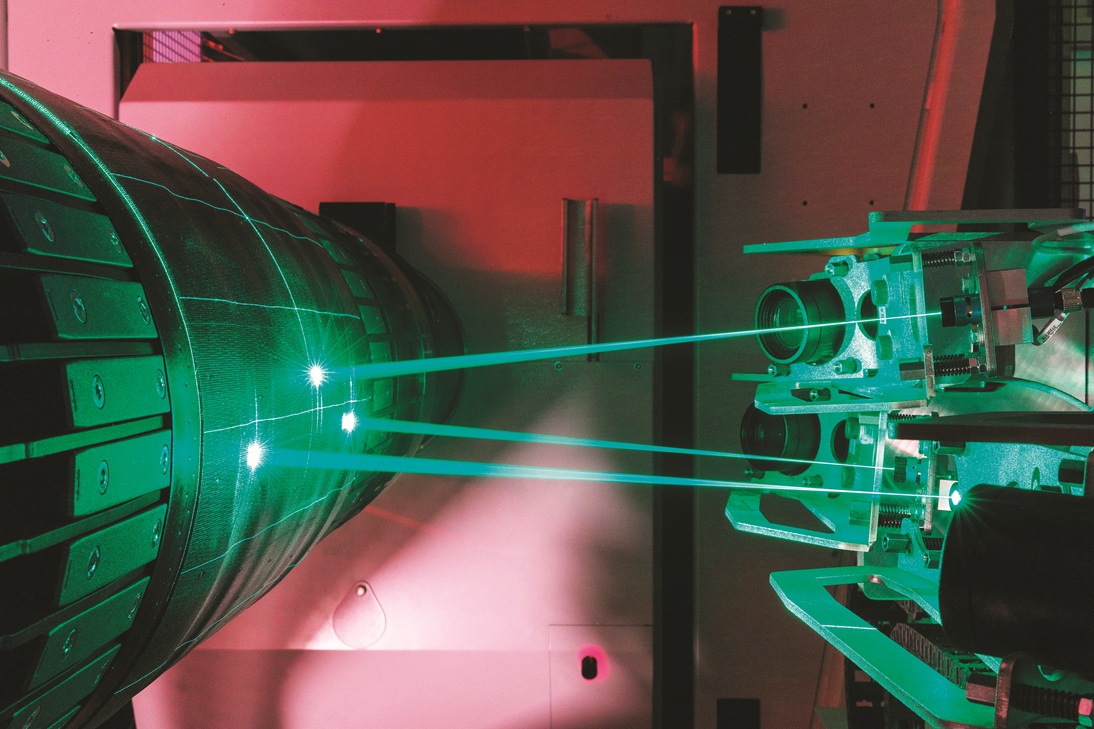
A final tyre inspection system can use multiple high-speed laser sensors targeting key areas of the tyre. These sensors require microsecond-precise synchronisation to ensure simultaneous data acquisition from every point on the rotating tyre, creating a precise 3D map of the entire tyre. Intelligent 3D inspection sensors are equipped with integrated processors for instant quality control. They process high-resolution surface scans and determine conformity directly within the system.
The concrete and significant results achieved represent not just improvements but a true revolution in tyre manufacturing. Applying these principles, in line with industry averages, has increased productivity by up to 68 percent, reduced the defect rate by 57 percent and decreased inventory by 34 percent.
Integrated and automated quality control systems, which continuously monitor tyres, represent a true revolution in modern tyre factories. Manual quality control and material handling, which require significant human resources, can be replaced by up to 90 percent with intelligent systems in autonomous production systems. Finished tyres are transported to the warehouse by automated conveyors and software-controlled robotic handling systems.
A fully automated tyre manufacturing system allows for proactive intervention as soon as one parameter among thousands exceeds its control limits, thus preventing malfunctions before they even occur. In a networked system, real-time dashboards display live data to operators from mixers, timers and cutting machines, such as temperatures in temperature control unit (TCU) zones and dynamic pressure.
Automated production systems, combined with innovative, intelligent and integrated models, are particularly valuable for large production facilities. Modern tyre manufacturing goes far beyond mere ‘digitalisation’ or ‘Industry 4.0’, where even minor inefficiencies can lead to significant operational losses and customer dissatisfaction. Integration – from customer expectations to manufacturing control – enables the development and management of high-performing products with optimal overall equipment effectiveness (OEE).
Most of us know the alleged Chinese curse: ‘May you live in interesting times…’. This term, in fact, is not of Chinese origin: it was first used by a British diplomat in the late 19th century and is a kind of upper-class British joke.
And yet, as we look at the world today, in political, economic, technological and environmental terms, most of us would agree that the times we live in are far too ‘interesting’ for comfort. Predicting even the near-term future is becoming more difficult, while making rational longer-term investment decisions often feels like a high-risk gamble.
Managing uncertainty requires a very special set of skills – and uncertainty is exactly what the tyre industry is being asked to deal with right now. We can all make a list of the individual challenges we face, but perhaps the best and simplest way to define this issue is by saying that the business model of the tyre industry is in question.
CHALLENGES TO THE BUSINESS MODEL
The modern tyre plant is a product of globalisation. It depends on relatively open supply chains, predictable logistics, ready access to materials, affordable energy and steady demand for products. Unfortunately, these factors can no longer be relied on.

Mike Norman
The vehicle market is changing, notably by the rapid rise in demand for electric vehicles, while the number of tyre variants is also growing fast. We are moving to a market reality in which volume may stay more or less the same, but the number of different tyre designs is rising and the volumes per SKU are going down.
Globalisation has gone into reverse, with a rise in protectionism and tariffs, leading to ‘reshoring’ and a trend to more local production, based closer to the markets being served, enabling more agile response to demand.
A technology revolution is taking place, with automation altering the cost base and leading to a levelling up in quality – a process that has been going on for a long time. Price premiums across a wide range of market segments are starting to disappear because quality standards are now so good across the market that it is becoming harder to justify higher prices for ‘premium brands’.
We can all agree therefore that the industry is changing – but it is not so easy to define where it is heading.
THE SHAPE OF THE FUTURE?
There is overwhelming evidence that the tyre industry of the future will look very different from the industry of today. It is tempting to present a single model of the future and invite all the different industry players to plan their own roadmap to that single future. That would be a mistake – the industry is diverse and we think it will remain so. There is a clear direction of travel (towards more comprehensive automation, greater agility, lower energy use, ability to manage a greater number of variants, use of new materials, reduced environmental impact…), but the options remain broad and the future is still unpredictable.
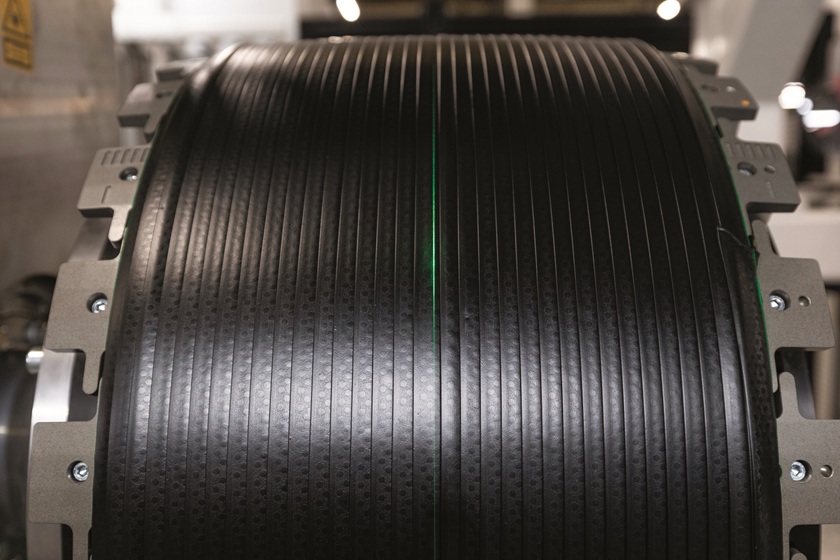
VMI not only has a vision of the future but works continuously to develop innovative solutions that support the industry and its development. In fact, we have even successfully built a true single cell production platform. This is UNIXX, which is designed to make tyres within a single process, from initial compound mixing to the finished product. You can manage as many variants as you wish, because each individual product can be made profitably – a true ‘market of one’ approach. The footprint is very small, compared with current plants, and environmentally it is far more responsible, using less energy and with much lower levels of pollution.
Surely, this is where we should be heading? Well, perhaps it is, but life is not that simple. Every business has to start from where it is right now, which is why we celebrate:
THE IMPORTANCE OF EVOLUTION
In evolutionary theory, there is an ecosystem, which is a common space inhabited by many different species. They sometimes compete for resources, sometimes complement and help each other, while they all have to deal with bigger forces from the outside. In the distant past, these might have been volcanoes and meteorites, but in our case, the external forces are probably wars and tariffs.
The key is not to focus on a single image of the ‘perfect’ future design but to have the ability to evolve as the environment changes – and keep evolving. You must start from where you are today and then follow the logic of the market, emerging technology and your own strategic priorities. The result will be – as with natural evolution – a lot of diversity but with every player moving in a common direction: towards a future that is more automated, more efficient, more flexible.
So what does the market look like right now?
There is still that familiar divide between Tier 1, Tier 2 and Tier 3, but the old definitions and distinctions are no longer as solid as they once were.
Most Tier 1s are losing their price advantage, at least in certain markets, because the Tier 2s have now reached a comparable quality level. Tier 3 businesses are exploiting their generally lower cost base, combined with advanced, highly automated factories to build advantage in the market through a highly competitive price point. Each type of business has its own operational realities and long-term goals. They are all moving through their own evolutionary journey. The big question we at VMI ask ourselves is this: How can we help them all to develop as successfully as possible?
KEY LESSONS OF EVOLUTION
When you start a journey of change, there are some basic priorities that apply to us all.
Simplify and take out costs. To make sure that business change projects deliver real benefits, the first task is to take out cost and reduce risk by simplifying and accelerating your existing processes. Simplification will lead to reduced energy and materials use (saving money at once), fewer human touch points (also saving money) and potentially could enable you to reduce the footprint of your plant (freeing capital for productive investment).
Every year, VMI brings out new refinements to existing systems, solutions and investments, designed to improve performance and take out cost. Here are some of the most recent of these:
- Smart Splice Ply fits to existing VMI TBMs already on site to reduce variations in play and splices. It raises quality, saves material and speeds the process.
- Then there is OEE (Overall Equipment Effectiveness) Reporter, a purely software solution that identifies areas for process improvement for reasons that range from downtime to operator issues, with the aim of moving towards 100 percent effective operation.
- Perhaps the most exciting of these new developments is the Autonomous Materials Delivery (AMD) solution, which combines automated handling of compound rolls, Smart Run Empty (designed to cut out compound wastage) and interface with Automated Guided Vehicles.
AMD summarises the ways in which the operation of existing machines, investments and solutions can be continuously improved to reduce the need for human intervention, reduce machine downtime, cut down wastage and drive higher operational efficiency – all without disruption to business as usual while maximising the potential of existing investments.
This is the very definition of stage one in the evolutionary change journey: improve what you have and bank the savings for reinvestment in the future.
 Implement new technologies, one by one. We understand there can be no ‘big bang’ changes in the tyre industry, but we can start to profit from the most advanced new technologies today without the disruption that wholesale change would cause, adding new concepts alongside existing investments in the second stage of evolutionary change.
In some cases, this makes it possible to close down existing processes completely, making machines redundant and delivering significant savings. In others, we can eliminate specific stages in a process, again leading to simplification, higher quality and cost reductions. Here are two examples:
- UNIXX Beltmaker (now with hot gum strip feature) carries out most of the activities of a traditional calendering line but faster and more efficiently. Given the size and high energy use of calendering in tyre plants, the potential for reducing plant footprint and energy costs is enormous.
- VMI’s new Strip Winder, again developed for UNIXX, is now available for evaluation and review, with the potential for simplifying some aspects of production while offering a number of quality and design advantages.
This is a technique that many companies have struggled to master but which is fully operational right now. You can see it for yourselves, as well, because VMI’s mobile Strip Winding roadshow will make it possible to watch, test, examine, ask difficult questions and prove for yourselves that it works.
Extend the scope of automation. Industrial automation is what VMI stands for, so moving to the next stage is not a break from the past but an evolutionary move. As part of the TKH Group, VMI is now not just benefitting from its own in-house (but globally located) R&D activity but is also building on the AI capability inside the Group.
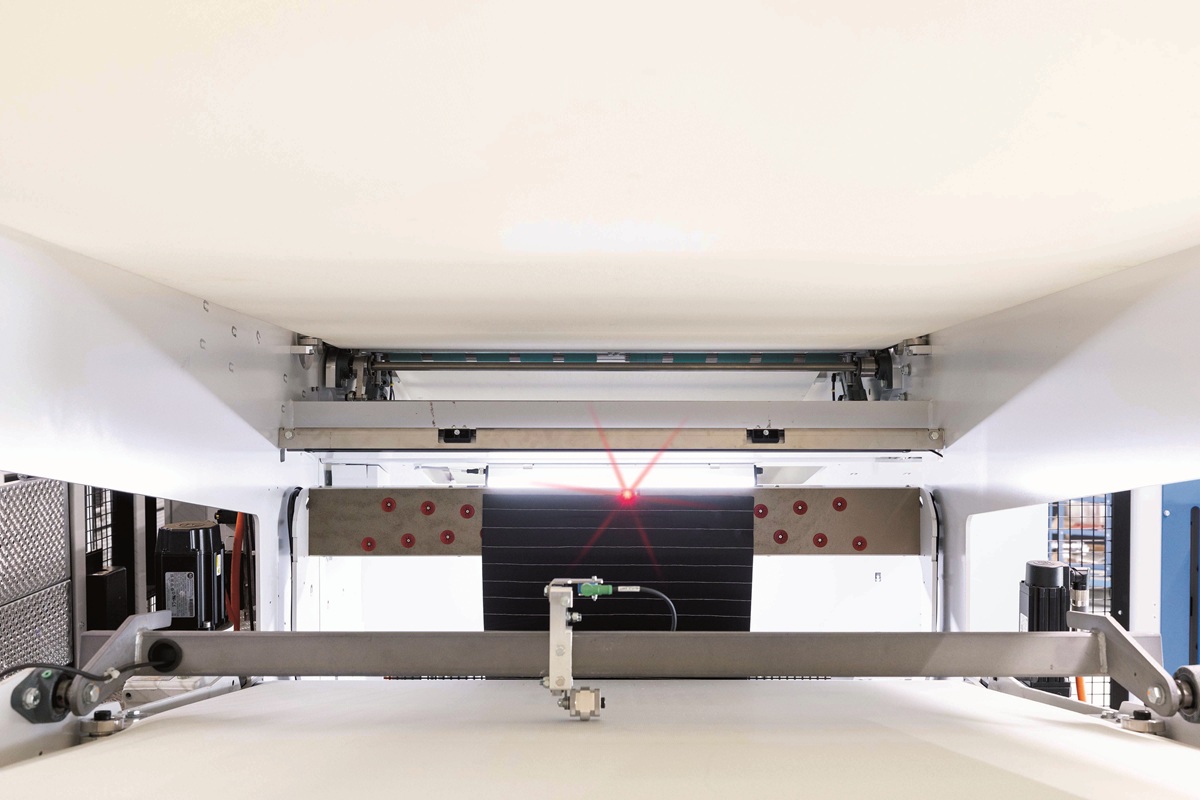
There are some aspects of AI that attract some scepticism (rightly), but industrial automation is the most natural development of AI – and VMI is driving it forward at speed. During the rest of this year, we will complete development work on a decision support GenAI-enabled system that will make it easy for operators to optimise machine performance while giving assurance to employers that the operators themselves will be able to work more efficiently.
This will be just the first step in a process of continual evolution, in which machine intelligence will be exploited in more intuitive ways to enable faster skills development, deeper insights and eventually lower requirements for human intervention at all. Current VMI solutions already include advanced sensor arrays, pattern recognition (for anomaly detection) and machine learning. Many of the key elements of true AI are in place, therefore, and development has started to accelerate!
Move towards the Dark Factory. The end point of industrial AI, as defined by industry leaders in other sectors, is the idea of Autonomous Production, sometimes known as the Dark Factory – not just hands off, eyes off, to use VMI’s familiar mantra, but lights off, too!
We think use of AI in this context is the most important of all evolutionary steps, as it enables tyre manufacturers to start gaining cost and agility benefits fast while closing down redundant processes and hardware in their own time. To be clear, there will remain major differences in scope, size and potential between different industry players in the age of AI, but implementing a governing intelligence, end to end, will be common to all.
STARTING THE JOURNEY
All of us have our own individual, evolutionary journey. The key objective for every business leader in this complex, global industry is how to build their own roadmap to the future. There is no longer any question about whether we need to change or not – we certainly do – but we have no choice about where we start from. Our starting position also defines our short-term objectives.
Our conclusions are simple but – we think – unavoidable.
- Change is coming for us all. We have the option of choosing our own path and our own priorities. But not of standing still.
- Change is not just about technology: it also covers the organisation, people, partners and customers. Technology might be powerful, but if you can’t find the skills and budget to implement it, then it remains theoretical.
- AI is not a magic bullet: this simple term covers a complex suite of capabilities and techniques that need to be understood in depth and implemented with care.
- All change processes follow the same basic rules and stages. Simplify and save money now; mitigate risk and be able to stop and go back if needed; test new concepts one by one and don’t go onto the next until you have mastered the first.
The journey is what matters, and you will need a map, guidance, partners and friends to make the journey both safe and productive. It’s not revolution but evolution: that is the word that defines both the challenge and the way to make change work for you.
The author is the Chief Commercial Officer at VMI.

As a surviving member of the ‘baby boomer’ generation that commenced with the rapid economic growth following the World War II, I think we are, in a broad sense, privileged to have witnessed and experienced the happenings and consequences of about 50 years in the 20th Century and about 30 years in the 21st Century. When contemplating on the term literacy and its traditional meaning of being able to read and write from an educational perspective, I feel it fitting to cite a few real-life cases, from way back, which make me to wonder whether the above interpretation of literacy is all encompassing.
a) My maternal grandmother, who was born in 1900, did not know reading or writing, a typical feature about the female folk in that era, especially in the remote villages. Despite this apparent handicap, she successfully managed the day-to-day administration of the paddy fields and the rubber plantation, including finances, and raised three children to become worthy human beings.
b) Then there were these three young people who had migrated to Colombo with minimal formal education and started their business in humble ways to become well recognised icons of international fame in the healthcare, confectionary and rubber footwear and tyres, respectively, the latter being related to my own core field, the rubber industry.
c) Last but not the least, the late Martin Wickremasinghe, born in the late 19th century, who attended school only up to the 7th standard, wrote hundreds of books on diverse subjects such as history, anthropology, sociology, religion and literature and several novels (some of which were translated to several languages), which rightfully recognised him as a well-respected scholar and the greatest writer in Sri Lanka.
While it may be futile to compare apples with oranges, I feel that literacy has a utilitarian perspective, which can change with the social context and the circumstances. With my manufacturing background, I see a close parallel of literacy and quality. Out of the hundreds of definitions available of the latter, ‘fitness for use and the level to which requirements are fulfilled’ is applicable to literacy as well.
When going through the available information on the subject, it is noted that ‘literate’ can be traced back to the early 15th century from the Latin word literatus, meaning learned, educated and lettered. Initially, literate meant someone who was well educated, learned and acquainted with literature, and over time, as basic schooling became more widespread, the word was adapted to describe the foundational skill of reading and writing. The Oxford Advanced Learner’s Dictionary defines literacy primarily as ‘the ability to read and write’. Two core definitions for the term are identified as Basic Literacy, the fundamental ability to read and write, and Specialised Literacy, the competence, knowledge or skill in a specific subject area in which common modern applications include:
a) Computer literacy: The ability to use computers effectively.
b) Financial literacy: Understanding and effectively managing personal finances.
c) Health literacy: The capacity to obtain, process and understand basic health information and services.
It could be inferred that we, the ‘baby boomers’, currently at an advanced stage in life, cannot do without the above basic literacies, and as a minimum, the routine health check such as blood sugar, blood pressure, LDL and HDL etc. to survive and lead active lives.

It is said that writing originated primarily out of economic necessity as the early agricultural societies grew and needed to track goods, taxes and trade. The evolution of writing from rudimentary clay tokens in to the world’s first independent writing systems in Mesopotamia, Egypt, China and Mesoamerica around 3200 BC to 3000 BC is a story that requires a deeper elucidation at a different forum.
Literacy is considered as one of the most important foundations of civilisation and has played a crucial role in human survival and existence both evolutionary and historically. However, instead of going into a deliberation of these foundational perspectives, I intend to offer some of my personal insights and recollections on this important subject over the past 60-plus years. I can recollect how at preschool stage, we were initiated into the basics of reading and writing using slates and slate pencils (made out of a silicious material) and the ‘black boards’ in the class room where chalk was used for writing. Literacy mainly meant the ability to read and write and, in later classes, in performing basic arithmetic. In schools and workplace, literacy was closely connected to formal education and subject knowledge. A literate person was one who could understand written communications, reads books and newspapers, write letters and maintain records and perform effectively in society. It was directly connected to social respectability and economic progress.
Literacy in English was considered as a rare virtue in countries which were under the British colonial rule. It was confined only to a few ‘high level’ schools in Colombo and in some major towns. Hailing from a rural background and having attended a small primary school in a remote town, I have first-hand experience of the panic and inferiority when I started secondary education in Colombo. This was especially true when we started studying for the Government (Ordinary Level Exams) in the science stream which was all in English. It was a struggle to get adapted and face the challenge, which I would say, I managed fairly well.
In those days, literacy was essentially confined to formal education and subject knowledge. Students were expected to memorise facts, understand texts and reproduce the information during the examinations. Books and libraries were the main sources of knowledge. Teachers were well recognised and respected as the primary sources of knowledge. And learning was generally a disciplined and structured process. And information, though limited, was relatively organised. I do not consider this as a deficiency or a weakness at all, because it fitted well with the societal and business expectations of those days.
I can well remember the day of my first interview seeking a job, which happened to be in the rubber industry. Instead of asking about isoprene or how the RSS (Ribbed Smoked Sheet) is made, although I managed to cram some information about the latter, I was asked about Ohm’s Law and how steel is made from iron ore. I was lucky because in our Advanced Level class, we had studied the above, and this paved way for a lifelong career in the rubber industry.
Literacy seems to be directly proportional to the rate of percolation or trickling down of the technologies to countries in our part of the world, and this was a rather slow process until the early eighties. However, mankind is evolutionary geared for ‘adaptive radiation’, which in modern jargon can be interpreted as how quickly we learn and get used to the new situations and contingencies as we meet new frontiers. According to the modern theories of cognitive learning, we acquire new knowledge through assimilation of new concepts (schemas) or by accommodation of incoming concepts into our existing knowledge. As an example, I can relate with my personal experience how my literacy in rubber technology evolved, starting as young trainee with very little knowledge on rubber. With the rapid development of science, technology and globalisation and artificial intelligence, the meaning of literacy has expanded beyond the traditional horizons.

In contrast to the scenario of over 50 years ago, today’s literacy has grown to include cultural awareness, ethical understanding, workplace competence, computer literacy, digital communication and the ability to manage continually increasing volumes of information; some of them are very often recurring and sometimes redundant. Some key diversions are shown as follows:
a) Educational and subject literacy: While mathematical and scientific literacy, language proficiency and analytical thinking is essential, they go beyond memorising facts to effective application of the knowledge.
b) Cultural literacy: This has become increasingly important in this era of extending globalisation for respectful understanding and effective communications. This also includes awareness of history, religion, social values and traditions, which lamentably is declining amongst the younger generations.
c) Ethical literacy: This simply means the ability to distinguish the right and the wrong, social responsibility and taking morally sound decisions. Ethical failures can cause serious and disastrous consequences at the work place or the society.
d) Workplace literacy: Today’s workplace literacy includes communication skills, teamwork, time management, leadership, and most importantly, emotional intelligence and empathy.
Cognitive overload is another major challenge in this era of information wilderness where virtually every perceivable member of the community is inundated with vast volumes of information every moment, which often creates confusion. The human mind has limited capacity for attention and memory. Continuous digital distractions can weaken concertation, reduce reflective thinking and may affect mental wellbeing.
While the meaning of literacy has undergone a remarkable transformation over the past 60 years or so, the digital age has created opportunities as well as unpresented challenges. Modern literacy requires not only access to information but also the wisdom to evaluate, analyse and apply it effectively. Books, reading habits, reflective thinking and reliable sources of knowledge remain essential even in the era of artificial intelligence.
For many years, literacy and competency have been considered as different subjects. However, in the modern world, the demarcation between the two have been gradually getting blurred. Literacy does not simply mean how much one knows but more on how the knowledge is applied for value creation. This convergence is evident in all walks of life. Employers are increasingly seeking persons who can demonstrate competence rather than merely possessing qualifications. Competency-based education has entered the curricula of many private and governmental institutions in Sri Lanka. Conventionally, Sri Lanka is said to possess one of the highest literacy rates in the region. However, the progress achieved in many aspects of socio-economic, ethical and cultural fronts do not seem to have a matching congruence with competency.
As the American writer, futurist and businessman Alvin Tofler (1928-2016) once quoted,
“The illiterate of the 21st century will not be those who cannot read and write, but those who cannot learn, unlearn, and relearn.”
The meaning centres on the shift from static knowledge to the critical need for constant adaptability in a rapidly evolving world.
The author is a Management Counsellor from Sri Lanka.

Comments (0)
ADD COMMENT