

Continental To Build First Company-Owned Wind Farm Near Korbach Tyre Plant
- By TT News
- July 08, 2026
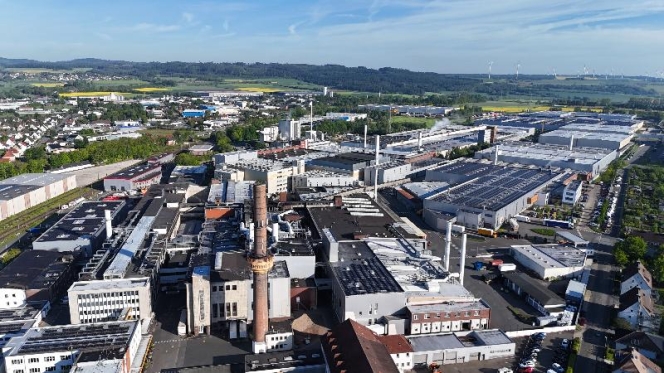
Continental’s Korbach tyre plant.
Continental is set to construct its first company-owned wind farm adjacent to its tyre production facility in Korbach, within the municipality of Twistetal, Hesse. The initiative will supply electricity directly to the plant, situated roughly eight kilometres away, thereby diversifying the manufacturer's energy portfolio. This strategic move aims to accelerate renewable power adoption, enhance cost competitiveness and diminish reliance on volatile energy markets.
The project features three turbines that, alongside existing solar systems, are projected to satisfy approximately two-thirds of the Korbach plant's electricity requirements. With an annual generating capacity of around 55 gigawatt-hours, the turbines could supply roughly 15,000 average households. Continental has allocated a mid-double-digit million-euro investment, having secured all necessary permits. Groundbreaking is anticipated in 2026, with commissioning expected about 18 months later.
Tyre production consumes significant power for operations like mixing raw rubber and extruding components. The Twistetal wind farm will enable the Korbach plant to meet a larger proportion of demand with locally sourced renewable energy fed directly into manufacturing. This addition complements existing infrastructure while maintaining reliable operations during fluctuating wind or solar conditions. The Korbach facility, employing approximately 2,400 people, produces tyres for passenger cars, motorcycles, bicycles and industrial uses.
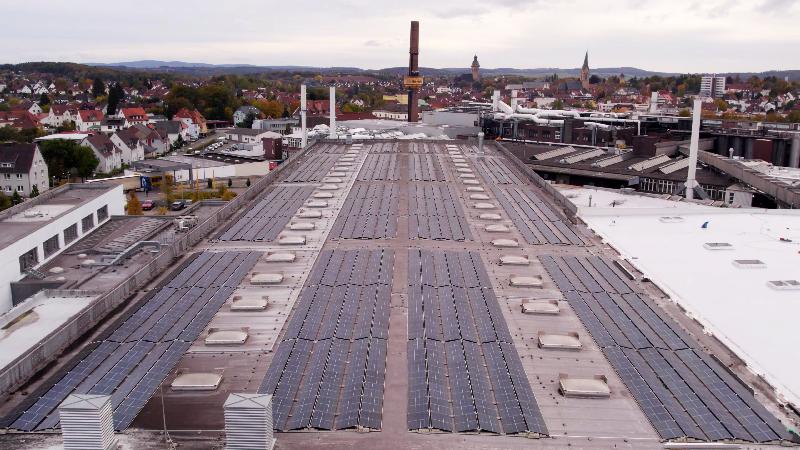
Photovoltaic systems at Continental’s Korbach tyre plant.
The selected Nordex N175/6.X turbines have a hub height of 179 metres and a rotor diameter of 175 metres, reaching a total height of 267 metres, making them among the most powerful onshore turbines available.
The Korbach project represents a key step in Continental's broader strategy to expand proprietary energy generation, with similar initiatives considered globally. The goal is a flexible, economically viable energy supply while increasing renewable power proportion, ideally produced near each manufacturing site.
Continental is evaluating feasibility at worldwide plants, considering local conditions, regulations, storage, integration with existing sources and financial viability. Since 2020, the firm has covered global purchased electricity demand with renewables and reduced tyre production greenhouse gas emissions by approximately 180,000 metric tonnes over four years. By early 2026, coal and heavy fuel oil were eliminated at all production sites, replaced by electricity from renewables, biomass, biogas, LPG and natural gas for steam and heating.
Dr Bernhard Trilken, Head of Manufacturing & Logistics in Continental’s Tires group sector, said, “Having our own wind turbines near the plant will give us more predictable energy costs and reduce our exposure to volatile energy markets – key factors for competitive tyre production in Germany. This is fully aligned with our global strategy to expand our own renewable energy generation and will serve as a blueprint for other sites worldwide.”
Klaus Ohlwein, head of the Continental tyre plant in Korbach, said, “The wind farm will bring major benefits to our location. It will help us cover a significant share of our electricity needs in Korbach with our own renewable sources at competitive and more predictable costs. The electricity generated will be used directly in tyre production, including in mixers and extruders. The project is an important step in our sustainability activities at the site and demonstrates how industrial competitiveness and sustainable energy use can be effectively combined in Germany.”
Yokohama Rubber Launches RAG-Based AI Platform To Enhance Technical Decision-Making
- By TT News
- August 28, 2026
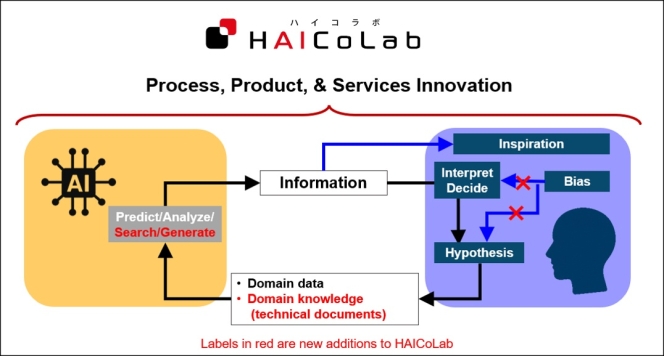
The Yokohama Rubber Co., Ltd. has initiated the full-scale deployment of a proprietary generative artificial intelligence system, which became operational in August 2026. This advanced platform employs Retrieval-Augmented Generation (RAG) technology to sift through the company’s extensive internal repository of technical documentation. The primary objective is to furnish development engineers with rapid and precise access to critical information, thereby streamlining decision-making processes in areas such as material innovation and tyre design.
This system represents a significant expansion of Yokohama Rubber’s existing HAICoLab AI framework, first established in October 2020. While the company had previously introduced AI tools for predicting rubber properties, generating novel compounds and assisting mould design, a persistent challenge remained in efficiently navigating the vast collection of regulatory texts, manuals, reports and case studies that constitute essential domain knowledge. The new generative AI system was developed specifically to address this gap, enabling swift retrieval of pertinent data aligned with specific development goals.
In practice, engineers pose questions tailored to their project’s specific context and the AI searches for the most relevant information from internal records to formulate its answers. To further refine accuracy, an integrated AI agent interprets the user’s intent and autonomously cycles through planning, information retrieval and evaluation steps. Moreover, the system provides direct links to the original source documents, allowing staff to confirm the validity of the AI-generated responses and incorporate them into their analytical and strategic work. This functionality effectively integrates accumulated technical knowledge into the HAICoLab-driven development environment.
Concurrent with these technological advancements, Yokohama Rubber is actively cultivating digital transformation personnel proficient in utilising the HAICoLab platform. The company remains committed to enhancing the system’s capabilities and leveraging its internal data and intellectual assets to foster the creation of innovative products, processes and services moving forward.
- Linglong Tire
- Linglong Dura Master Van
- Crosswind Dura Peak Van
- Leao Nova-Force Van 2
- Van Tyres
- Motorhome Tyres
Linglong Tire Expands European Van Portfolio With Two New Summer Offerings
- By TT News
- August 28, 2026
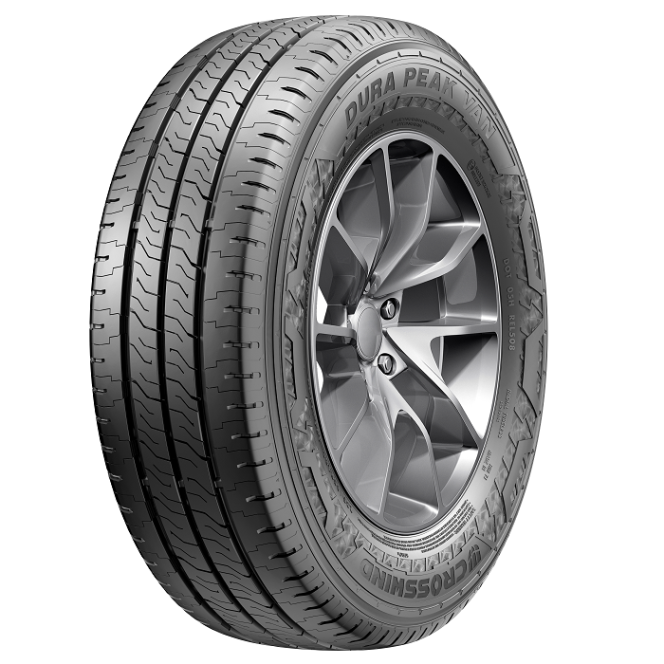
Linglong Tire has expanded its European summer tyre portfolio for light commercial vehicles with two new offerings under its subsidiary brands, Leao Tire and Crosswind Tire. Following the spring introduction of the Linglong Dura Master Van, the company has now launched the Crosswind Dura Peak Van and the Leao Nova-Force Van 2. This marks Crosswind's first entry into the summer van tyre segment, while the Nova-Force Van 2 succeeds its well-regarded predecessor.
Engineered specifically for vans, motorhomes and light trucks, both tyres emphasise durability, fuel efficiency and enhanced driving performance. Their new construction integrates optimised tread patterns and wider footprints to reduce wear and extend mileage. An innovative silica-based compound lowers rolling resistance for significant cost savings, a critical factor for commercial operators. The reinforced carcass supports heavy loads, while advanced sipe technology, combined with the tread compound, shortens wet braking distances and improves handling on both wet and dry surfaces.
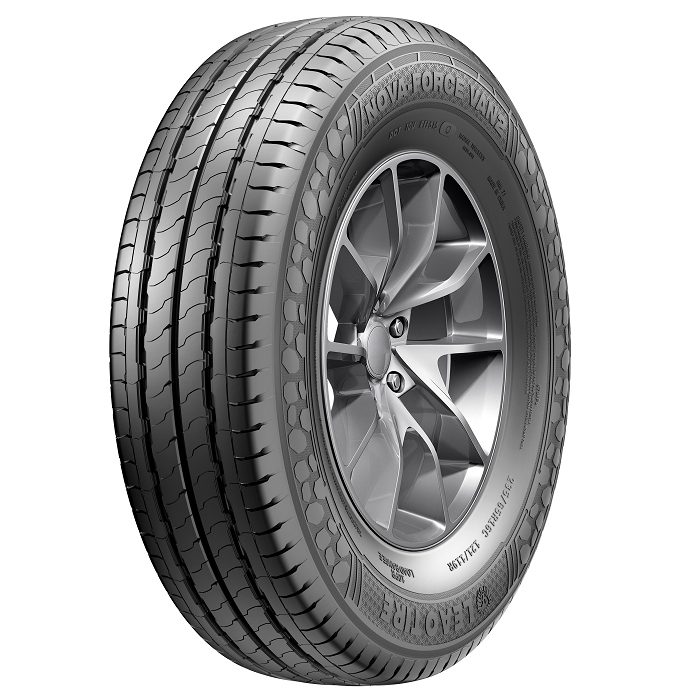
Manufactured exclusively at Linglong's advanced facility in Zrenjanin, Serbia, each tyre line is available in 29 sizes ranging from 12 to 17 inches, with orders now being accepted. Development took place at the European Development Center in Hannover, with validation testing conducted at the Idiada circuit in Spain and the group's Sino Asia proving ground in China. These strategic choices underscore Linglong's commitment to European-quality engineering and rigorous performance standards for its commercial vehicle offerings.
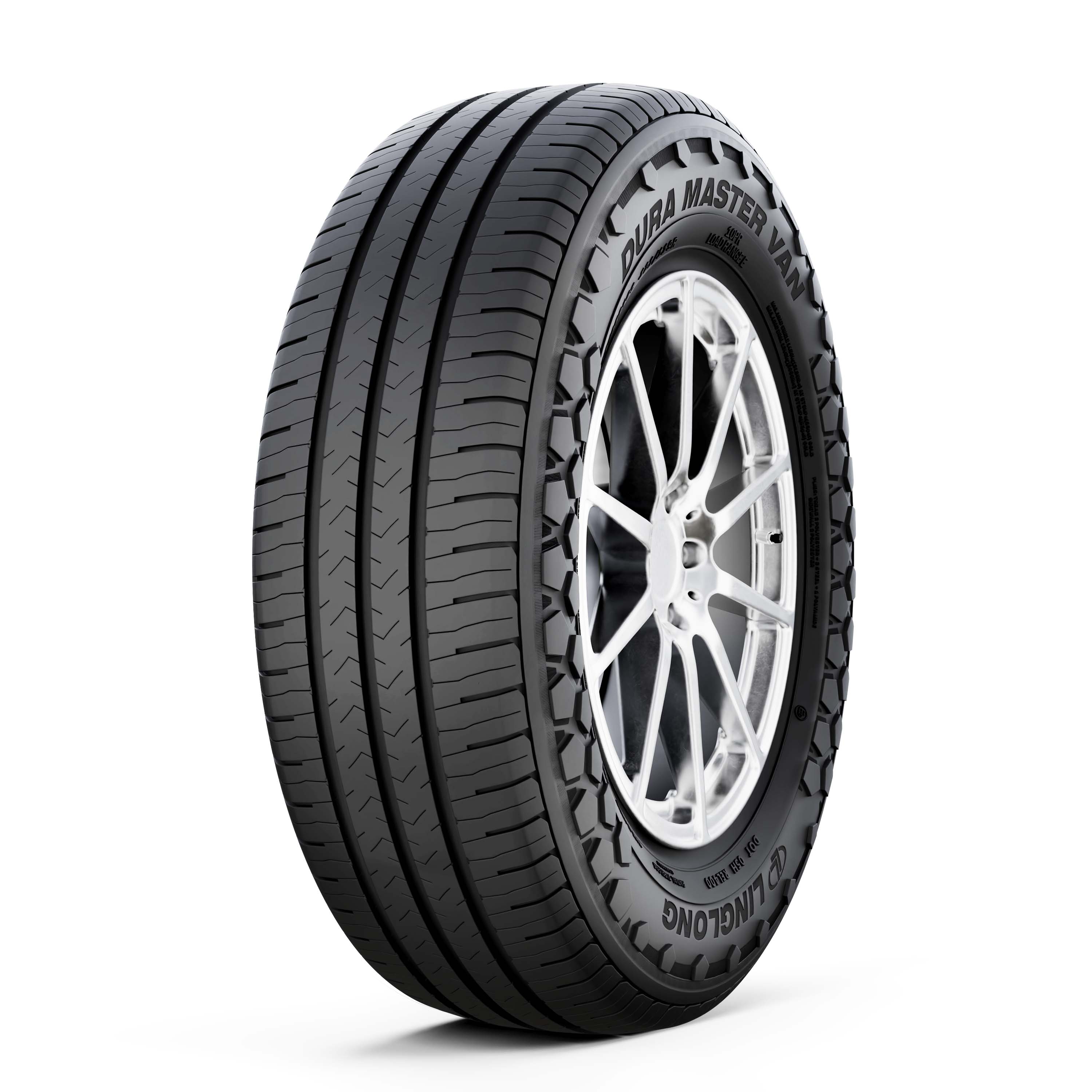
Looking ahead, Linglong plans to complete the van tyre ranges for both Crosswind and Leao Tire with the introduction of new winter and all-season tread patterns scheduled for late 2026. This upcoming expansion will further solidify the group's comprehensive year-round coverage in the light commercial vehicle segment across its brand portfolio.
Wencheng Liu, Head of Product Management, Linglong Tire, said, "With the new Crosswind and Leao van tyres, we are expanding our range in the field of light commercial vehicles and offering a high-performance solution for both businesses and private households. Both tyres combine high mileage with safety and efficiency – crucial factors for cost-conscious families and entrepreneurs who use their vehicles on a daily basis."
India Tyre Exports Rise 16% In First Quarter Despite Cost Pressures
- By Sharad Matade
- August 28, 2026
India’s tyre exports rose 16 percent year on year to INR 77 billion in the first quarter of FY2026–27, despite geopolitical uncertainty, supply-chain disruptions and elevated input and logistics costs, according to the Automotive Tyre Manufacturers’ Association (ATMA), citing data from the Ministry of Commerce.
The April–June performance builds on a record export value of INR 273.12 billion in FY2025–26, indicating sustained external demand for Indian-manufactured tyres.
Passenger car radial (PCR) tyres led the growth, with export value increasing 21 percent during the quarter.
Arun Mammen, Chairman of ATMA, said: “The significant growth in tyre exports during the first quarter represents a strong start to the new financial year. It reflects the growing acceptance of Indian-manufactured tyres across discerning global markets and the sustained investments made by the industry in technology, capacity, product development and quality.”
Europe was a key growth driver, with exports to the region rising 25 percent to INR 30.03 billion in the quarter, accounting for nearly 40 percent of total tyre exports. The US remained the single largest export destination, contributing 16 percent of overall export value. Indian tyres are exported to more than 170 countries.
India’s global presence is also supported by tyres supplied as original equipment on vehicles manufactured domestically and exported worldwide.
ATMA said improved market access through trade agreements and supportive export policies could help the industry sustain momentum and strengthen India’s position as a global tyre manufacturing and export hub.
Forging Tomorrow
- By Gaurav Nandi
- August 28, 2026

The Indian Rubber Materials Research Institute (IRMRI) recently announced the appointment of Professor (Dr) Abhijit Bandyopadhyay as its new Director. In a tete-a-tete with Tyre Trends, he delves into his top priorities and IRMRI’s roadmap under his leadership.
What will be your top priorities as the new director of IRMRI?
I have a list of four priorities. The first is to transform IRMRI from a testing and certification centre into an innovation hub that integrates research, technology development, scale-up engineering, innovation and commercialisation for the tyre and non-tyre rubber industries. The second priority is developing technologies for EV tyres. While automakers are using lightweight polymer composites and foams to offset battery weight, advancing EV tyre technology will remain a key focus.
Thirdly, to undertake autonomous research that benefits industry beyond traditional rubber compounds, covering plastics, rubber-plastic blends, advanced polymer systems and other emerging materials. Finally, internationalise IRMRI by establishing MoUs with global industries and academic institutions.
Sustainability and circularity are becoming central themes across industries. How do they fit into your vision for IRMRI?
Sustainability should not be viewed as a separate objective; it must be embedded in every project we undertake. Every technology we develop should inherently follow sustainable principles. The introduction of Extended Producer Responsibility (EPR) has fundamentally changed the tyre industry’s responsibilities by making manufacturers accountable for the waste generated by their products.
This naturally increases the importance of reclaimed rubber, rubber crumb, recycling technologies and broader circular economy practices. Today, applications for reclaimed materials remain limited and expanding their use will become an important research area.
How will you strengthen collaboration between IRMRI, academia and industry?
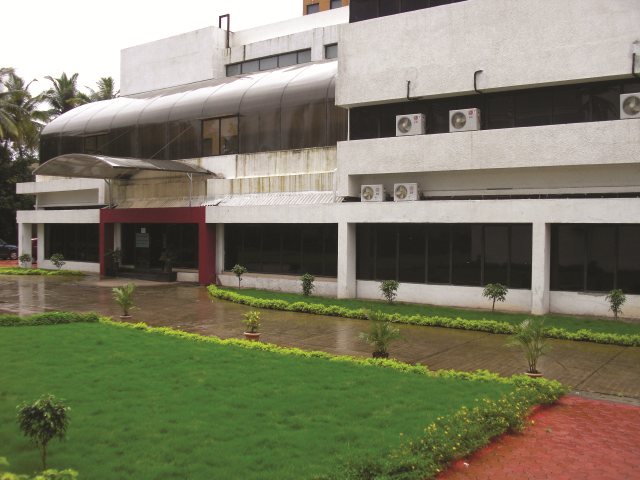
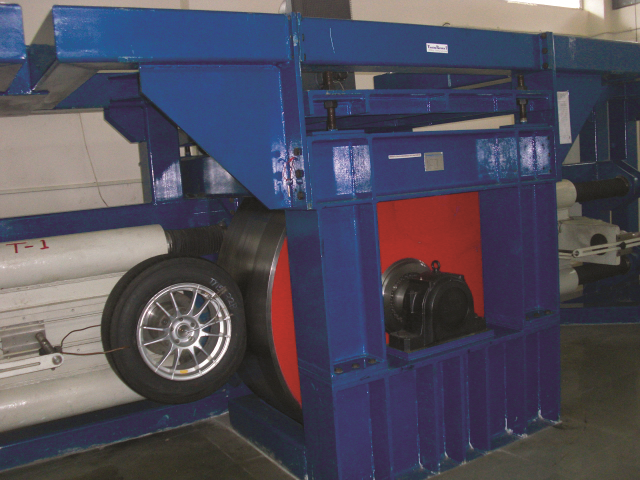
IRMRI has always supported industry through its testing services but its contribution to research and development can become much stronger. At present, academia and industry operate with very different priorities. IRMRI is uniquely positioned to bridge this gap because it already has advanced facilities in Chennai, Thane and the Eastern Centre, with new centres coming up in Tripura and Delhi.
Building on existing collaborations at the Thane Centre, IRMRI should expand partnerships with universities, IITs and industry beyond rubber technology into areas such as mechanical engineering, machine design, sustainable rubber processing, simulation, modelling, artificial intelligence and other multidisciplinary fields to strengthen both its research capabilities and national stature.
What are the biggest challenges facing India’s rubber and tyre industry today?
The industry’s biggest challenge is sustainability, particularly recycling, devulcanisation and compliance with EPR. While significant progress has been made in developing rubber and polymer products across numerous industries, recycling remains a major technological hurdle.
The same challenge extends beyond rubber to composite materials. Although material development has advanced considerably, achieving efficient, commercially viable recyclability remains one of the industry’s greatest unresolved problems.
What do you expect to be the biggest challenges in your new role at IRMRI?
I have worked closely with industry for the past 16 years and almost all of my current research projects are industry-sponsored. I understand industrial expectations, priorities and ways of working, so adapting to the industry itself will not be difficult.
The real challenge will be transforming IRMRI from a testing institute into a research and innovation institute. Achieving this will require a clear roadmap, well-designed policies and systematic implementation with some trial and error along the way.
How do you see AI and digital technologies accelerating rubber materials research?
AI, simulation, modelling and digital engineering will become integral parts of IRMRI’s future development strategy rather than standalone initiatives. Artificial intelligence is fundamentally a form of data science. It involves developing computational models and predictive systems that help researchers analyse data more intelligently and efficiently.
Computation, simulation and modelling are becoming increasingly important. The tyre industry already relies heavily on these tools because modern tyre development would be almost impossible without them. However, the non-tyre rubber industry has not yet adopted them to the same extent. Simulation and modelling also contribute engineering efficiency, reducing development costs, optimise manpower deployment and enable better product design before physical prototypes are built.
How can IRMRI strengthen its testing capabilities to meet future industry requirements?
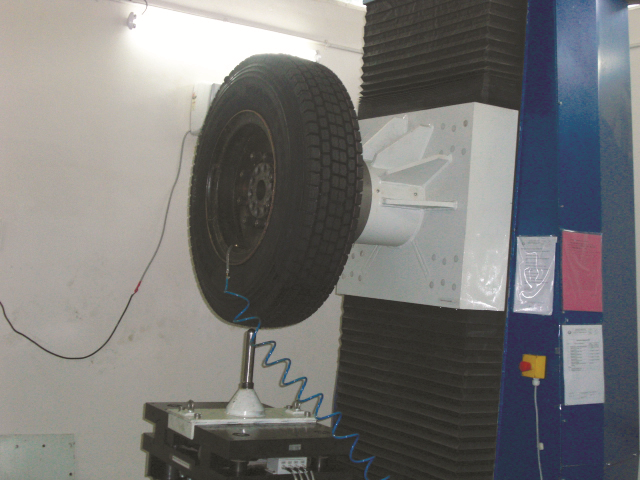
IRMRI already has strong testing facilities for existing technologies, but the rapid growth of electric vehicles makes specialised EV tyre testing an important priority.
We also need to evaluate whether current testing protocols adequately assess EV-specific requirements such as acoustic performance, vibration characteristics and other parameters beyond rolling resistance. Where gaps exist, IRMRI will develop new testing methodologies and standards tailored to EV tyres.
What emerging technologies and materials should IRMRI focus on in the coming years?
Sustainability and next-generation materials must be major priorities. As bio-composites and natural-material-based rubber products gain importance, standardised testing methods for many rubber-polymer bio-composites are still lacking. Developing reliable performance evaluation standards for these materials while strengthening capabilities in recycling, devulcanisation and circular economy technologies will help Indian manufacturers meet global quality standards.
Material innovations, particularly in solution-grade Styrene-Butadiene Rubber (SBR), will also require advanced testing, reinforcing IRMRI’s vision of becoming an innovation-driven institute.
How can IRMRI help Indian manufacturers meet global quality standards?
Helping Indian manufacturers meet increasingly demanding global quality and performance standards begins with addressing the industry’s biggest technological challenges, which is recycling, devulcanisation and circular economy requirements. If IRMRI can develop technologies in these areas, it will benefit both the rubber and non-rubber industries.
As an NABL-accredited institution, IRMRI also has a unique advantage over most universities, whose testing and certifications, while technically credible, are generally not accepted for commercial compliance. Now that IRMRI has been recognised as an institute, it will strengthen its independent certification capabilities and establish itself as a nationally and internationally respected authority for testing and certification.
Does India need stronger collaborative testing programmes?
Yes. India needs a more structured ecosystem that brings together research institutes, OEMs, raw material suppliers, manufacturers, universities and IITs throughout testing and product development. IRMRI should become the platform that connects academia’s knowledge-driven research with industry’s application- and product-oriented approach, accelerating innovation.
Internationally, this model has proven successful through industry-sponsored academic programmes that create a continuous pipeline of research, skilled talent and commercial innovation. India has some examples of such collaborations, but they remain scattered and should be expanded significantly.
How do you plan to change the industry’s perception of IRMRI?
One of my biggest objectives is to fundamentally change how both the tyre and non-tyre industries perceive IRMRI. Today, the institute is primarily viewed as a testing laboratory. Testing will always remain an essential function, but I want IRMRI to be recognised as much more than that.
My vision is for IRMRI to become an innovation hub where research, technology development, product innovation, industrial problem-solving, scale-up engineering, commercialisation, multidisciplinary collaboration and advanced materials research all come together. Changing that perception will take time, but we will build that bridge eventually.
What opportunities do you see for retreading technology?
Retreading has enormous potential but also significant technical challenges because it involves bonding a new tread to an already vulcanised tyre. While unvulcanised rubber is naturally tacky, vulcanisation removes this property, making two vulcanised surfaces difficult to bond.
Strong adhesion requires roughening both surfaces for mechanical anchorage followed by specialised adhesives and carefully controlled processing. Since India’s retreading industry remains fragmented, advancing retreading technology will be a key focus, particularly for its sustainability and resource conservation benefits.
Looking ahead, what will define the success of IRMRI?
Success, in my view, will not be measured by the number of tests conducted or certifications issued but by whether IRMRI becomes an innovation-driven institute. That means undertaking autonomous research, developing industry-focused technologies, strengthening academia-industry collaboration and more.
Indian manufacturers compete globally. Ultimately, I want IRMRI to be recognised not just as a testing centre but as one of India’s leading innovation hubs for rubber, polymers, advanced materials and sustainable industrial technologies.
Comments (0)
ADD COMMENT