

Sailun to Invest USD 93 Million in Cambodia Tyre Plant Expansion
- By TT News
- January 13, 2025
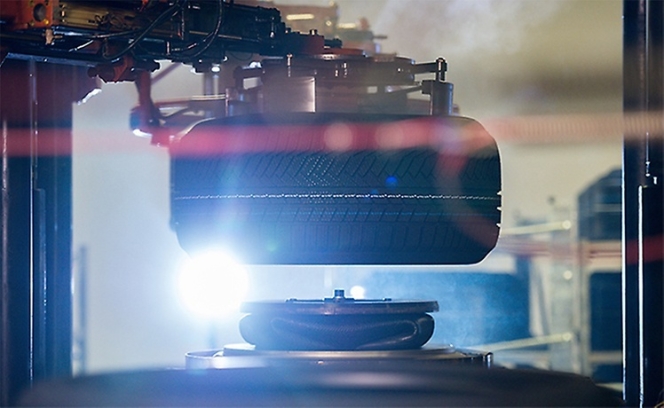
Sailun Group Co. plans to invest USD 93.48 million to double its truck tyre production capacity in Cambodia, betting on growing demand in North America amid ongoing trade tensions.
The Shanghai-listed company said in a statement that the Chinese tyre maker will boost annual production of all-steel radial tyres by 1.65 million units at its CART Tire Co. facility in Sai Jaeng City. The expanded operation is expected to generate USD 244.73 million in annual revenue and USD 47.12 million in net profit.
The board, led by Chairwoman Liu Yanhua, approved the expansion plan at a meeting on January 6. The project allocates USD 61.18 million for construction and USD 32.30 million for working capital, funded through a capital increase at Sailun’s Hong Kong subsidiary.
Construction will take nine months, after which CART Tire’s total capacity will reach 21 million semi-steel radial tyres and 3.3 million all-steel radial tyres annually. The facility currently produces nine million semi-steel radial tyres, with an additional 12 million semi-steel and 1.65 million all-steel tyre capacity.
The investment comes as tyre manufacturers seek to diversify production bases outside China to navigate trade barriers and reduce geopolitical risks. Cambodia has become a preferred destination due to its lower labour costs and favourable trade status with major markets.
The expansion will be executed through a structured capital injection involving Sailun’s subsidiaries in Hong Kong and Singapore before reaching CART Tire in Cambodia.
MRF Tyres Seals Fourth FIA ERC Teams’ Title With Mārtiņš Sesks’ Portugal Win
- By TT News
- October 27, 2026
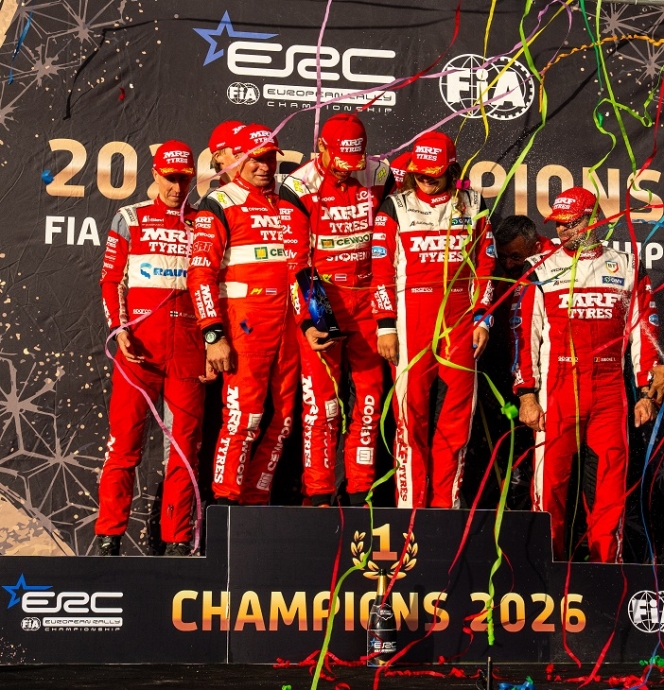
Team MRF Tyres has secured the 2026 FIA European Rally Championship Teams’ title, marking its fourth such crown in five years. The Indian premium competition tyre manufacturer clinched the championship at Rally 6 Cities North of Portugal, finishing the season with 233 points and a dominant 98-point margin over its nearest competitor. The victory adds to the team’s previous ERC Teams’ Championships in 2022, 2023 and 2025.
The Portuguese finale delivered a standout performance, with Mārtiņš Sesks and Renārs Francis taking overall victory. MRF Tyres-equipped crews also claimed 16 fastest stage times across the rally’s 17 special stages, achieved by three different drivers – a remarkable statistic against some of Europe’s most competitive Rally2 opposition. The team fielded six crews across its official Team MRF Tyres and MRF Tyres Dealers Team programmes on the gravel stages around Fafe.
The four titles in five seasons reflect MRF Tyres’ sustained commitment to research and development-driven innovation. European rallying offers a demanding proving ground for evaluating tyre compounds, tread patterns, construction and performance across varying terrain, temperatures, loads and driving conditions. Data on grip, traction, wear, heat generation and durability, combined with post-event inspections and engineering analysis, helps refine designs, material formulations and structural parameters, with insights informing competition tyres and broader product applications.
The team’s international lineup included Sesks, Roope Korhonen, Patrick Enok, Simone Tempestini, Andrei Gîrtofan, Nicolas Otto, Erik Cais, Martin Vlček, Frank Tore Larsen and Eyvind Brynildsen. The 2026 championship strengthens MRF Tyres’ record in European rallying as the manufacturer continues to pursue further opportunities in international motorsport.
Sesks said, “We worked a lot towards this. Of course, it wasn’t easy for us and Roope today, as we both had some technical issues. The pace we were setting both yesterday and today meant we had to push really hard. Yesterday was all about giving everything from the beginning, while today was more about understanding what we could and couldn’t do. In the end, we played it safe, and it paid off. A huge thank you to MRF Tyres for their support and hard work. It’s just a shame we couldn’t bring home a one-two finish for the team.”
Goodyear Vector All Season 4 Brings Premium All-Season Choice To Underserved Segments
- By TT News
- October 26, 2026
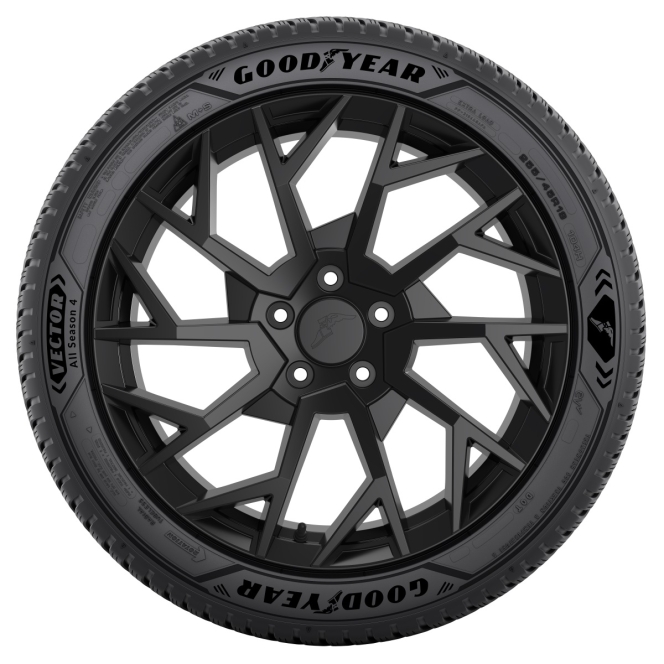
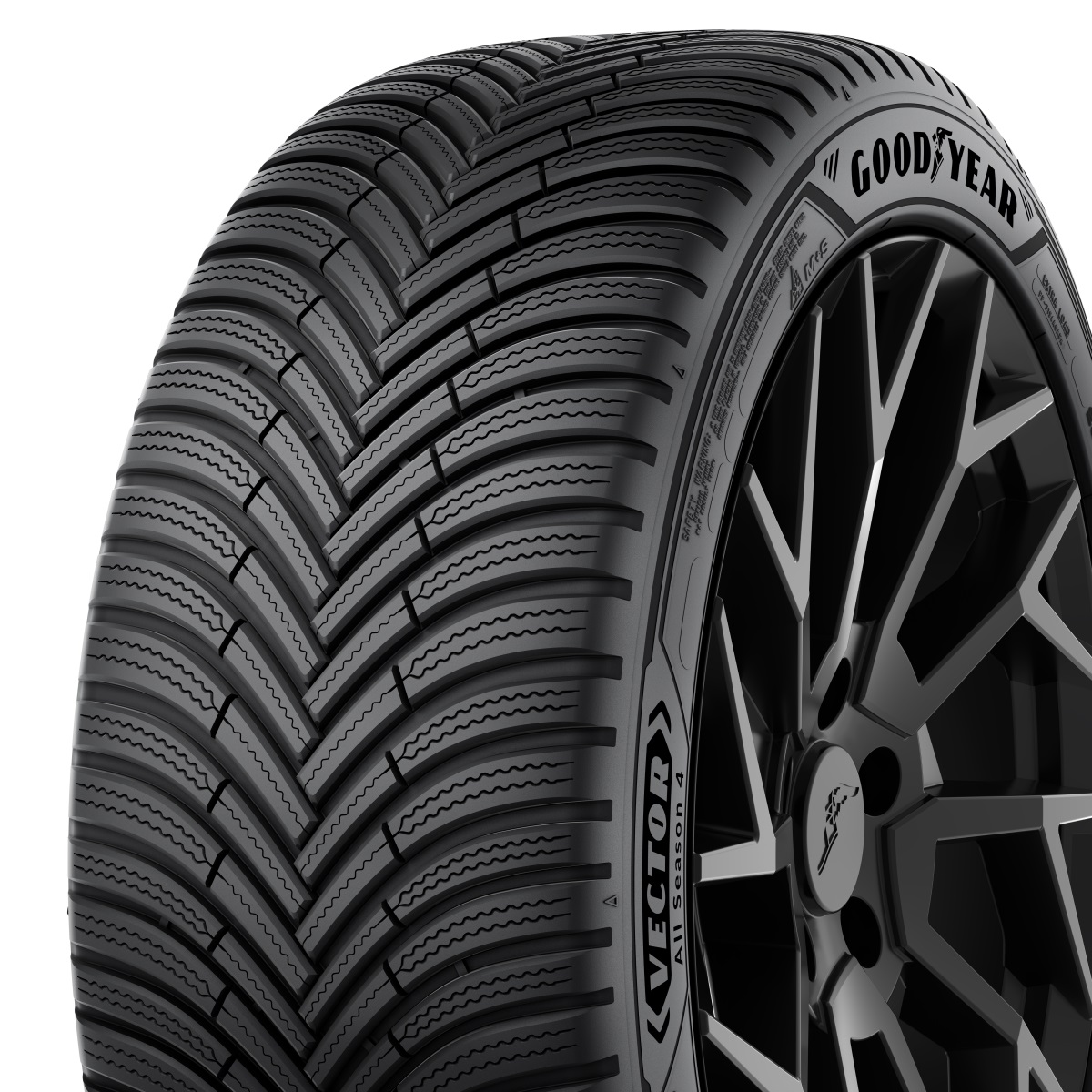
The Goodyear Tire & Rubber Company expanded its all-season portfolio with the Vector All Season 4, launched in late April 2026 and aimed at a broader span of European vehicles, from premium models to electric vehicles. Aimed at motorists who prefer a single set of tyres for the whole year, the product builds on almost five decades of Goodyear all-season development and debuts WeatherReady Technology, an engineering platform created to keep performance steady as conditions shift.
Independent testing has already brought the tyre attention. Tyre Reviews named it ‘Test Winner’ in its most recent all-season comparison, and Auto Bild Allrad likewise placed it first as ‘Test Winner’, drawing attention to exemplary snow traction plus second-place finishes in snow handling, dry handling and rolling resistance.
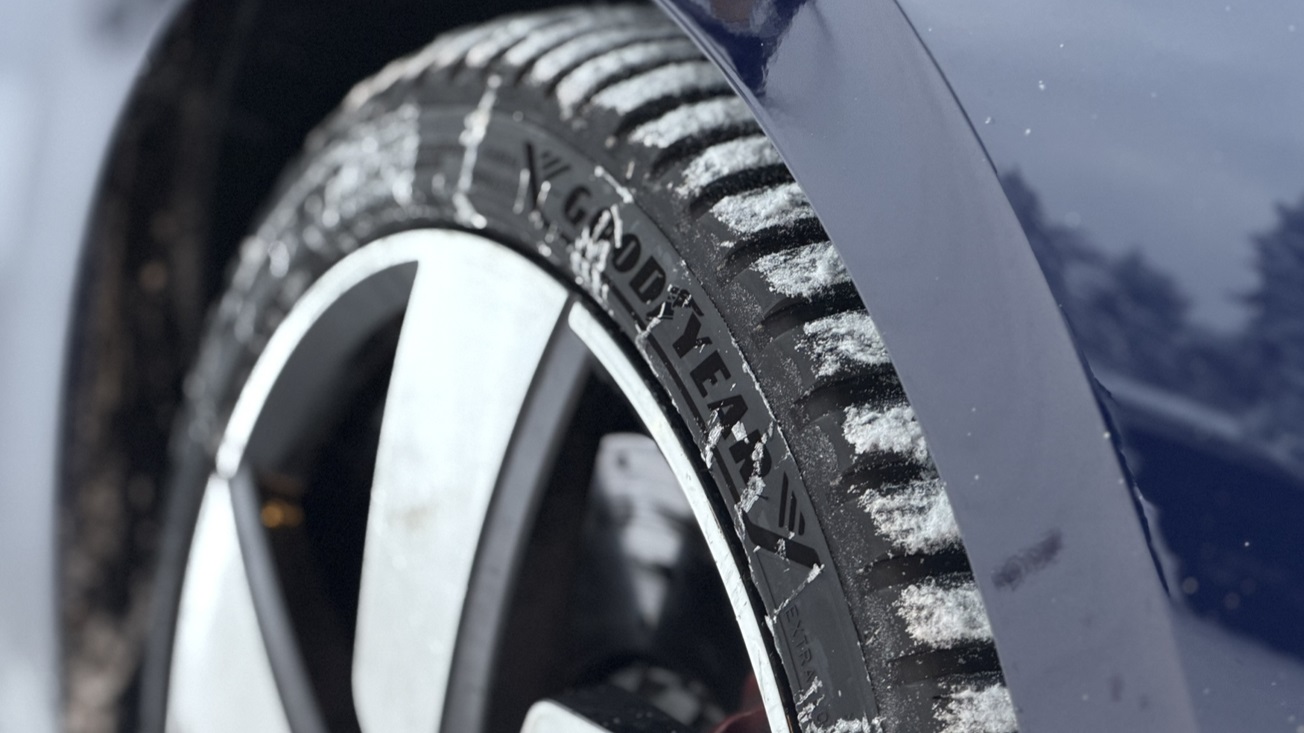
For regions where climate, roads and regulations favour all-weather rubber, the Vector All Season 4 serves as a premium choice for drivers wanting readiness for dry, wet and milder winter conditions year-round while easing the hassle of seasonal swaps such as workshop appointments, scheduling and off-season storage. Balanced dry, wet and winter capability now reaches rim diameters up to 23 inches, opening premium year-round convenience to segments that previously lacked an all-season option.
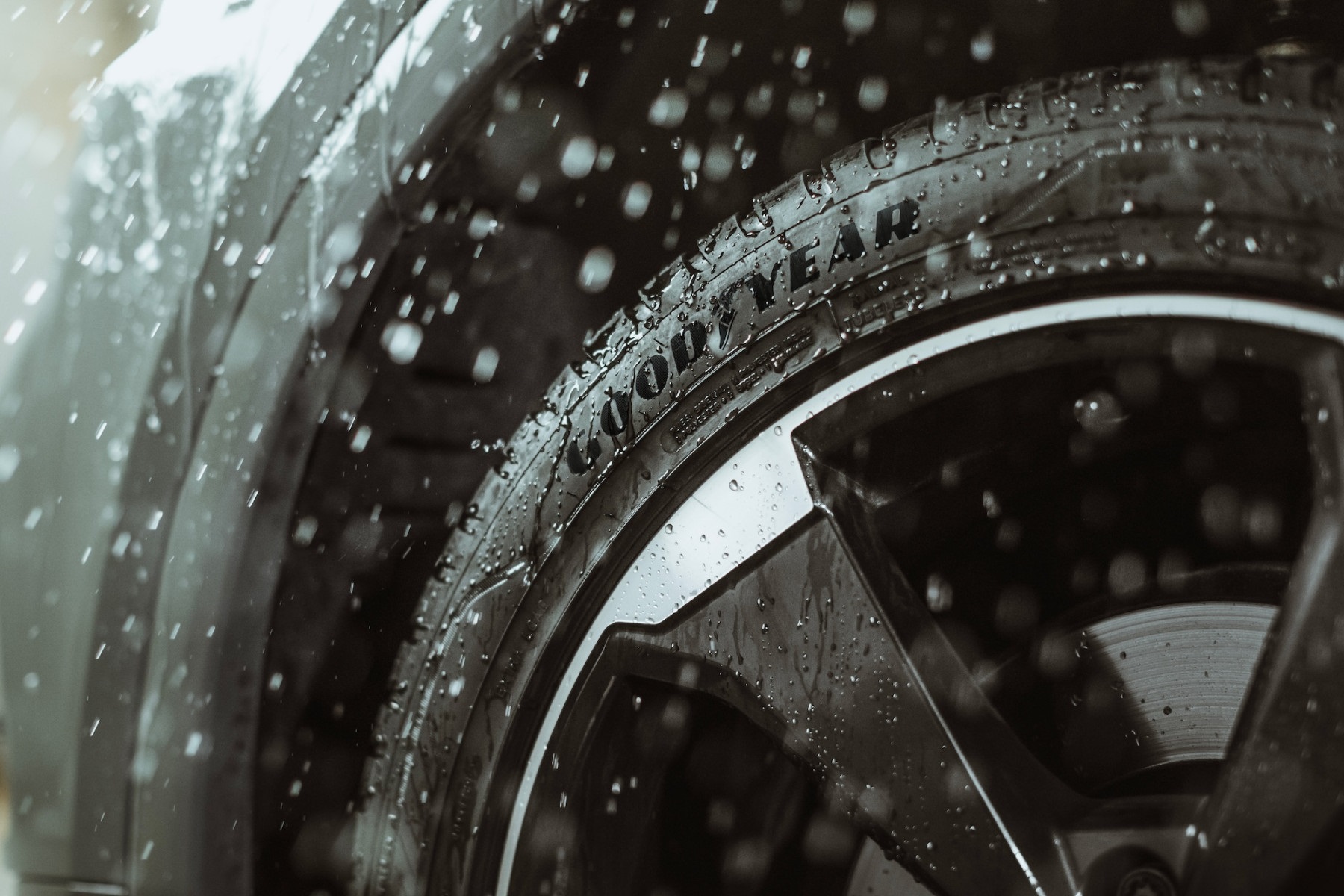
The new tyre sits alongside Goodyear’s existing all-weather range, including the Vector 4Seasons Gen-3, which in 2024 became the first all-season tyre to earn ADAC’s overall ‘Good’ rating. The Gen-3 remains especially suited to smaller cars, with most SKUs at 16 inches and below, pairing strong wet and snow performance with efficiency. Goodyear’s all-weather work dates to 1977 and the Tiempo, which the company calls the world’s first all-weather tyre. With the technology’s 50th anniversary nearing in 2027, Goodyear continues refining all-season tyres for evolving European driving conditions.
Hankook Winter i*cept evo 4 Takes Joint Third In Auto Bild 2026 Winter Tyre Test
- By TT News
- October 26, 2026
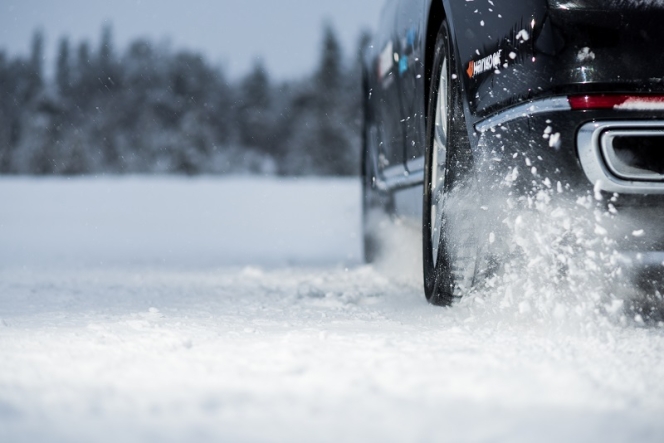
Hankook Tire’s new Winter i*cept evo 4 delivered a strong debut in Auto Bild’s major 2026 winter tyre test, finishing joint third among 50 models in size 245/45 R19. The premium tyre earned an overall score of 1.4 and an ‘exemplary’ rating reserved for only the four highest-placed tyres. Testing was carried out on a BMW 5 Series, with two tyres sharing first place and two sharing third after consistently strong results across all 16 disciplines.
The publication’s test panel characterised the Hankook model as a newcomer combining a strong cost profile with precise dry-road handling. Before the full test, all 50 tyres underwent wet and snow braking comparisons, and only the 20 with the shortest combined stopping distances progressed. Hankook had already secured fourth place in qualifying with a combined braking distance of 65.5 metres.
Its individual results comprised 36.3 metres when braking from 80 kmph in wet conditions and 29.2 metres from 50 kmph on snow. The outcome marks a successful test debut for the Winter i*cept evo 4, placing it among the leading performers in the 2026 evaluation.
Apollo Tyres Wins Top Safety Awards For All Five Indian Plants
- By TT News
- October 26, 2026
Apollo Tyres’ five manufacturing plants in India have received Five-Star Ratings and Sword of Honour awards for 2026 from the British Safety Council, recognising their occupational health and safety management.
The awards follow the council’s Five-Star Occupational Health and Safety Audit, which assesses an organisation’s safety policies, processes and practices through documentation reviews, stakeholder interviews and sampling of operational activities.
The Sword of Honour recognises organisations that achieve the maximum five stars in the council’s independent audit and demonstrate a strong culture of health and safety across their operations. The 2026 awards mark the 47th consecutive year in which the council has presented the honour.
Rajeev Kumar Sinha, Chief Manufacturing And Sustainability Officer at Apollo Tyres, said: “Safety is a core value at Apollo Tyres and integral to everything we do. The recognition of all five of our manufacturing plants in India by the British Safety Council reflects our collective commitment to high standards of health and safety. While this achievement is a matter of pride, we remain focused on continuous improvement and fostering a culture where everyone takes ownership of safety and returns home safe every day.”
Peter McGettrick, Chairman of the British Safety Council, said: “On behalf of the board of trustees and staff of the British Safety Council I would like to congratulate Apollo Tyres on achieving the highest standards of its health and safety management. Achieving recognition of this sort takes absolute dedication and the utmost professionalism. We are proud to support you in your achievements and delighted we can contribute to your ongoing success.”
Mike Robinson, Chief Executive of the British Safety Council, added: “I would like to congratulate Apollo Tyres and its staff on this award, in tribute to their commitment to keeping their workplace safe and healthy and contributing to safeguarding the environment. All of the Sword award-winning organisations share a commitment and willingness to achieve the uppermost standards of health and safety. We thank Apollo Tyres for contributing to achieving our vision that no one should be injured or made ill through their work.”
The assessment period for the 2026 awards ran from 1 August 2025 to 31 July 2026. Award recipients also had to demonstrate to an independent adjudication panel a track record of good health and safety practices throughout their organisations, from the shopfloor to the boardroom.
Apollo Tyres manufactures tyres in India and Hungary and sells products under the Apollo and Vredestein brands in more than 100 countries.

Comments (0)
ADD COMMENT