

Slowdown In Motorcycle Sales, Weighs Heavy On February Auto Wholesales
- By TT News
- March 13, 2025

The auto wholesales for February 2025 are out, and the industry has posted numbers in the red. The latest automotive wholesales data from the Society of Indian Automobile Manufacturers (SIAM) for February showed that a total of 1.82 million units were sold last month, which was 7 percent lower as compared to 1.94 million units sold for the same period last year and 8 percent lower than that of January 2025 sales.
The de-growth was primarily driven by a slowdown in sales of two-wheelers, especially motorcycles, which dropped by 13 percent YoY.
In the passenger vehicle space, SUVs continued to drive demand, registering a healthy growth of 9 percent with sales coming at 208,795 units, compared to 191,435 units a year ago. Passenger cars, on the other hand, reported sales of 110,966 units, which was 4 percent lower compared to the same period last year.
Three-wheeler sales came to 57,788 units, which was 5 percent higher compared to 55,175 units sold last year. The sales were driven by passenger carriers and goods carriers in the Internal Combustion Engine (ICE) segment, as compared to a negative growth witnessed by the E-rickshaw and E-cart segment.
Going forward, all eyes are on the Holi and the Ugadi festivals, which is expected to provide a positive fillip to the monthly sales.
Rajesh Menon, Director General, SIAM, stated that the “Upcoming festivities of Holi and Ugadi in March is likely to continue to drive demand, thereby closing FY 2024-25 on a reasonably positive note."

Maxxis Victra RC-1 Tyres Headed To SEMA On Nissan Project NAT2
- By TT News
- November 02, 2026
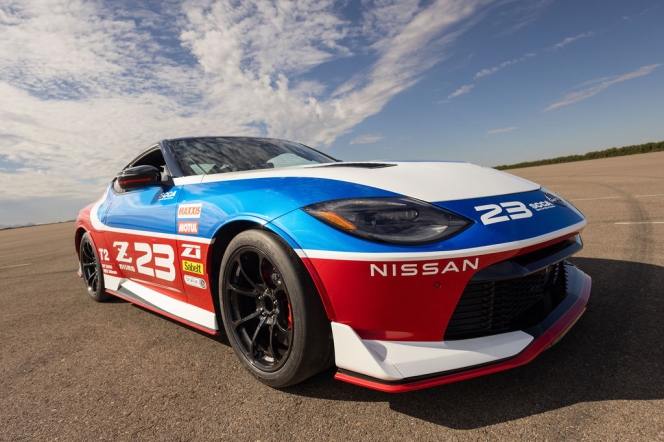
Maxxis International will display its Victra RC-1 tyres on Nissan's Project NAT2 SCCA Touring 23 car at the SEMA Show 2026, scheduled for 3–6 November at the Las Vegas Convention Center, continuing a partnership with the Nissan Acceleration Team (NAT) that dates to 2020. NAT is an all-volunteer motorsports group staffed by Nissan employees, and the Victra RC-1 has become a popular choice among club racers and enthusiasts for its grip, handling and heat cycle performance.
Project NAT2 is a Nissan Z fitted with upgraded engine, suspension and braking systems for the SCCA T2 road-racing class, which balances performance across production-based sports cars and sedans through rules on eligibility, modifications, weight and tyres. The car will run on 100TW Victra RC-1s in 275/35ZR18, retaining much of its production character while being prepared for serious wheel-to-wheel competition with safety, handling, braking and reliability upgrades.
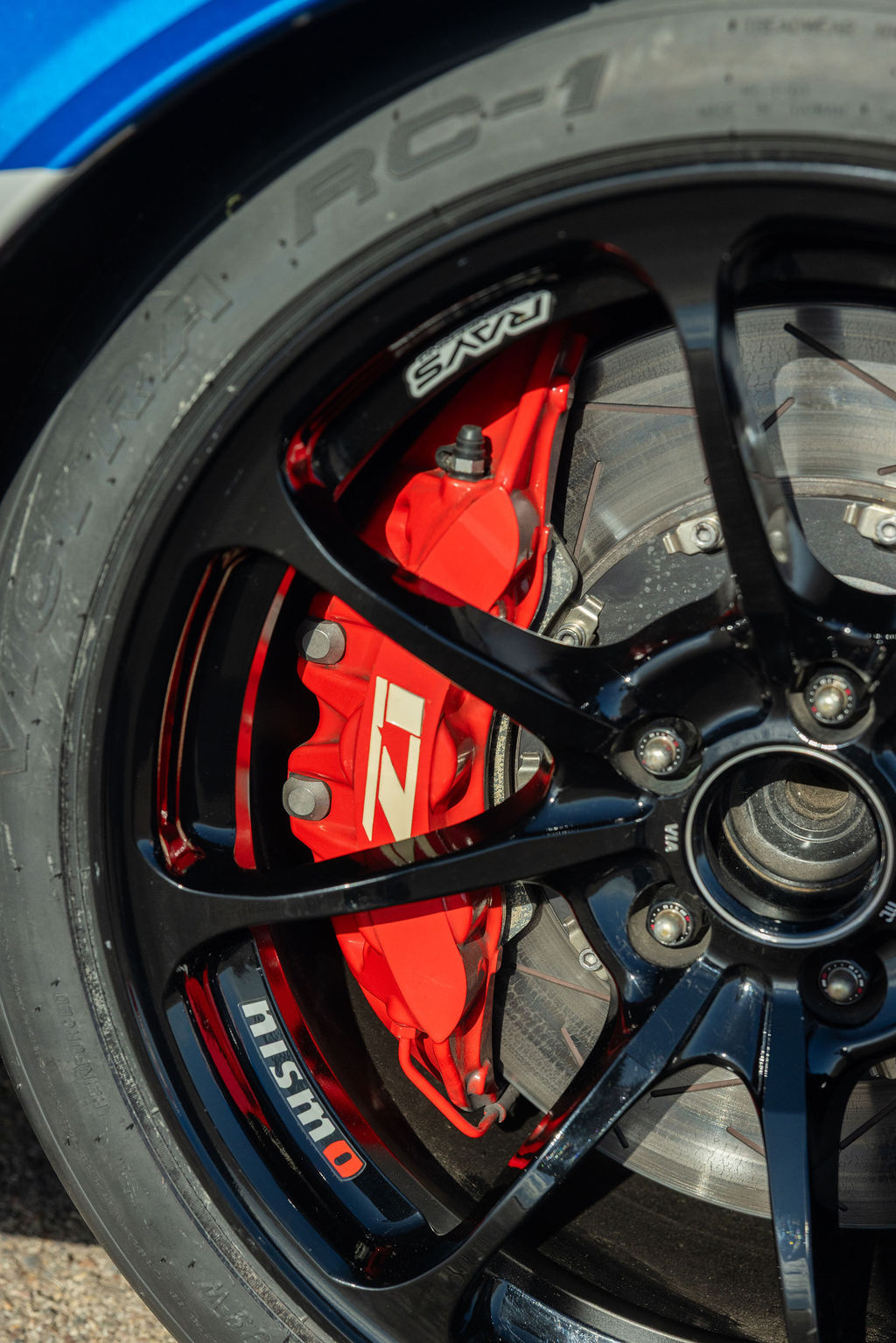
Visitors can see the Project NAT2 Z and its Victra RC-1 tyres at Nissan's Booth #21521 in Central Hall at the Las Vegas Convention Center. Additional Maxxis tyres are on display at the outdoor booth #82002 in the Silver Lot and the indoor booth #41086 in South Hall Lower near the Bronze Lot.
Hankook Tire Hosts '2026 Design Innovation Day' Outlining Design Strategy Across Key Brands
- By TT News
- November 02, 2026
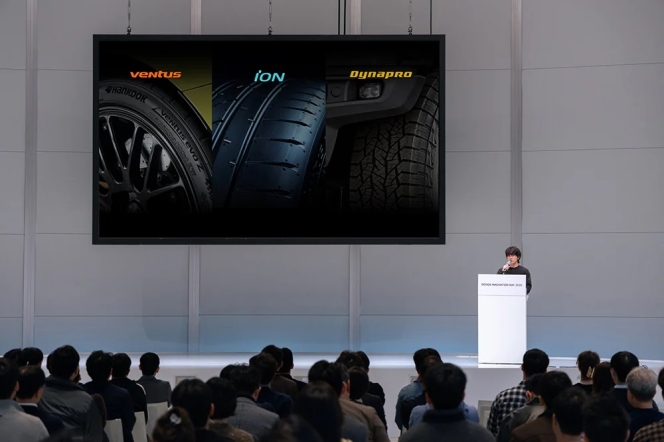
Hankook Tire held its 2026 Design Innovation Day on 30 October at Hankook Technodome, the company’s advanced research and development centre in Yuseong-gu, Daejeon, South Korea. The event, themed ‘Shaping Identity, Sculpting Performance’, gave employees a chance to learn about the tyre maker’s design strategies and major accomplishments.
A central highlight was the company’s first public presentation of a unified product design identity framework covering its principal brands: iON, the world’s first full-lineup tyre brand dedicated to electric vehicles; Ventus, its flagship line and Dynapro, its SUV-focused brand. Hankook Tire also introduced a next-generation product design language for the first time and explained how it will be applied to future products, clarifying each brand’s design direction and creating a consistent approach across the portfolio.
The programme featured three sessions. One addressed design strategies for conveying product performance while preserving brand identity and introduced guidelines for turning ‘invisible performance’ developed during R&D into design elements consumers can recognise, with approaches tailored to different product characteristics. Another session presented the next-generation design language for iON, Ventus and Dynapro, translating each brand’s core values into distinctive design elements. Hankook Tire further shared a framework for collaboration among R&D, product planning, marketing and design teams so they can develop products under unified design standards.
Through the event, Hankook Tire seeks to align design strategies and direction across the organisation, improve product development efficiency and speed decision-making while strengthening global brand recognition and its premium image. The company also aims to bolster design competitiveness in original equipment collaborations with global automakers and in product development for global markets. Hankook Tire continues to earn international design recognition, including three Product Design awards at the 2026 Red Dot Design Awards for Ventus evo, iON AT and Laufenn S FIT2, plus six Design Concept awards comprising two Best of the Best honours and four Red Dot awards.
Lassa Launches Wintus 3 Winter Tyre For Light Commercial Vehicles
- By TT News
- November 02, 2026
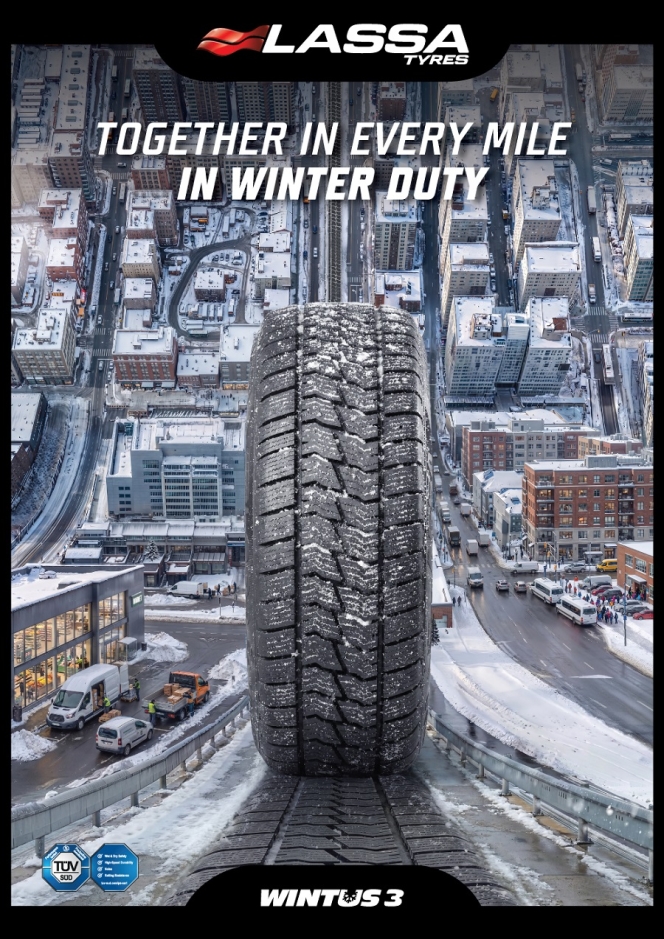
Lassa Tyres has introduced the Wintus 3, a new winter tyre engineered for light commercial vehicle operators who depend on reliable, durable performance in harsh cold-weather conditions. The company designed the pattern to address the varied demands of business users whose vehicles are central to their operations.
The Wintus 3 features a new-generation tread pattern, advanced construction and innovative compound technologies, delivering gains over its predecessor that include up to 60 percent longer wear life and a 27 percent reduction in rolling resistance for improved efficiency and more sustainable mobility. It also improves wet braking, snow and ice performance, wet handling and dry braking.
The tyre carries the TÜV SÜD Performance Mark, with independent benchmark testing showing measurable advantages over the competitor average in snow acceleration, snow braking, wet braking, wet cornering, dry braking and fuel and energy efficiency, including improvements exceeding 10 percent in dry braking, wet braking and fuel efficiency.
Offered in 22 sizes spanning 14 to 16 inches, the Wintus 3 will be available in Lassa markets during the 2026 winter season, with size availability varying by market.
- Liberty Tire Recycling
- Tyre Recycling
- Rubber-Modified Asphalt
- Lifecycle Assessment
- End-Of-Life Tyres
Liberty Tire Recycling Releases First US Company-Commissioned LCA On Rubber-Modified Asphalt
- By TT News
- October 31, 2026
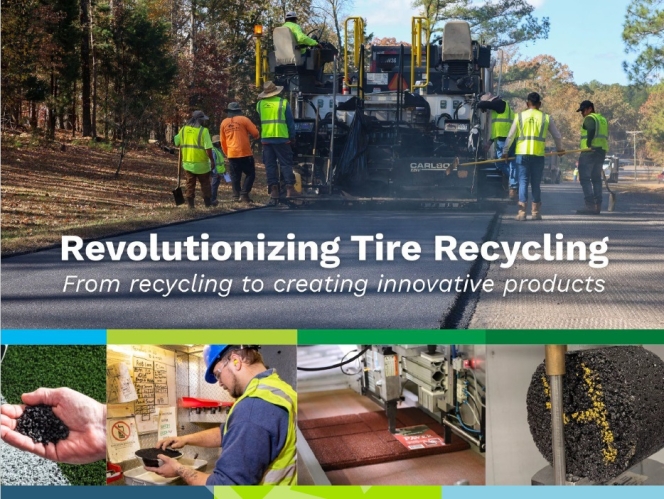
Liberty Tire Recycling has published the industry’s first US company-commissioned lifecycle assessment (LCA) centred on rubber-modified asphalt solutions made from recycled tyres. The study was commissioned by Liberty and carried out by Boundless, applying internationally recognised LCA methodology to evaluate the environmental impacts of the company’s asphalt-related products against conventional alternatives used in asphalt modification.
The company described the assessment as a notable step forward for rubber-modified asphalt. Environmental gains are routinely linked to recycled tyre materials in road building, yet Liberty said this analysis supplies quantified evidence behind such assertions. Greenhouse gas emissions tied to its rubber-modified asphalt solutions were tracked throughout their lifecycle.
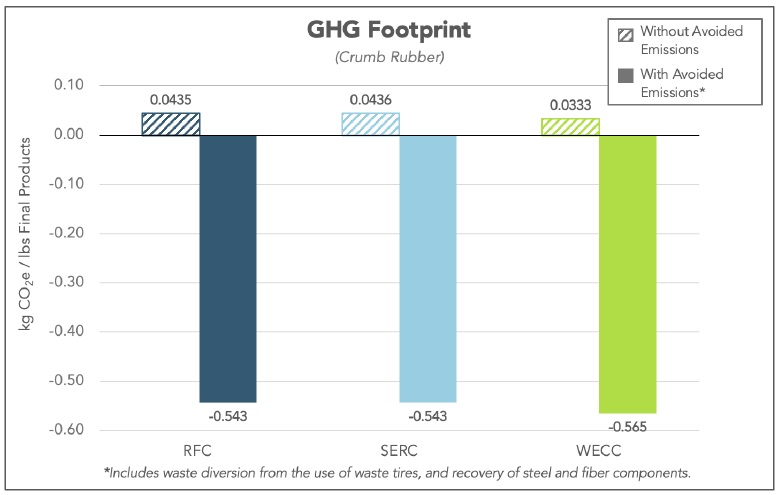
Results showed that Liberty's asphalt products carried substantially lower greenhouse gas impacts than conventional SBS polymer modifiers. Recovering and reusing end-of-life tyre materials was also found to deliver environmental benefits exceeding the impacts of processing them. Liberty said the findings give transportation agencies, engineers, contractors and infrastructure stakeholders data-driven insights for choosing materials.
Four products were assessed: crumb rubber and three asphalt additives, namely dry mix rubber additives, a DOT additive and combined micronised rubber powder with the Rheopave additive. Dry mix rubber additives yielded the largest carbon benefit, avoiding up to 0.577 kg CO₂e per pound produced, while the tyre-derived products achieved over 100 percent lower greenhouse gas footprint than traditional SBS modifiers. Each product assessed generated a net environmental benefit, with reductions spanning 0.47 to 0.57 kg of CO₂e per pound.
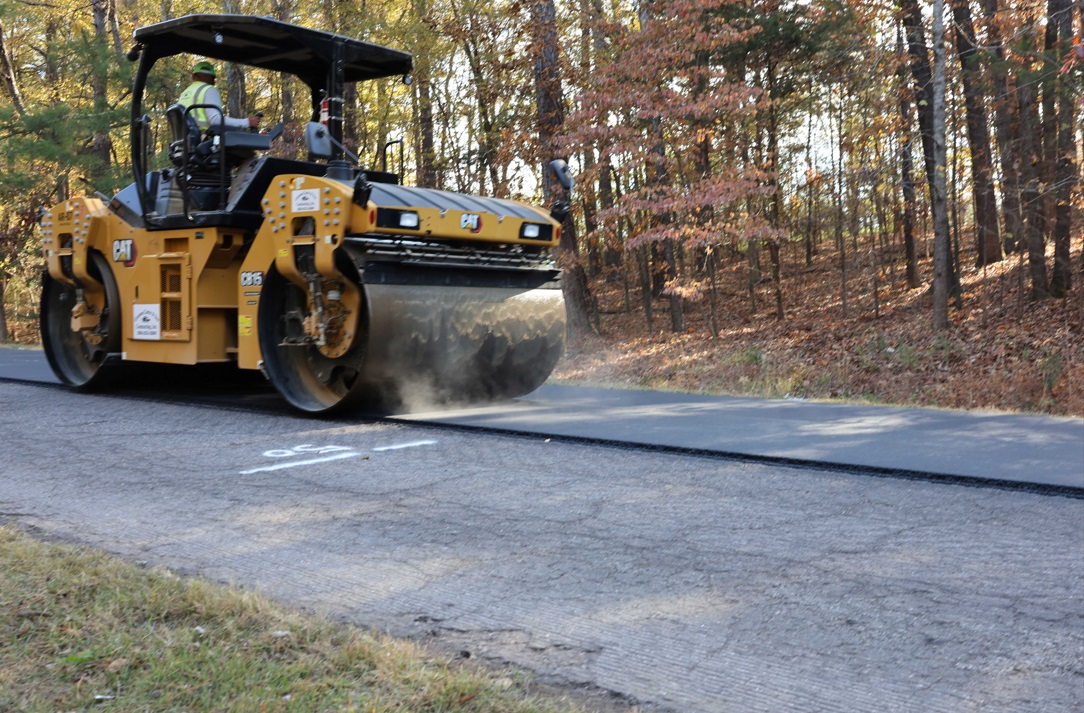
Liberty said the study helps set a benchmark for measuring and communicating environmental impacts as sustainability gains prominence in infrastructure projects, and that transparent, science-based data will matter increasingly to public agencies and industry leaders weighing performance and environmental goals.
Comments (0)
ADD COMMENT