

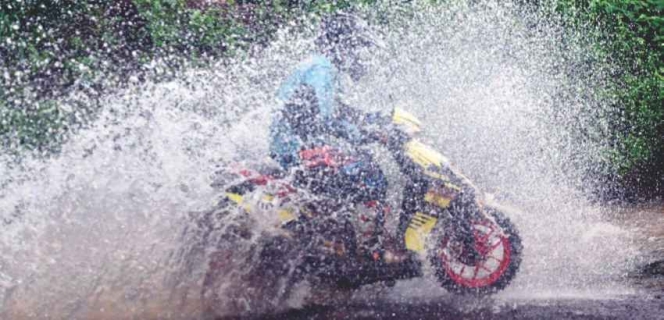

JK Tyre is a pioneer in motorsports in India with the credit to transform an unorganised and casual interest in racing into organised motorsport. With the sole purpose of growing the motorsports community in India, the company’s motorsports journey began in the early 1980s when it associated with The Himalayan Rally – India’s premier international event. “Ingraining motorsports in India has always been a key priority for JK Tyre. In India, motorsport is at the key junction of going from a niche to a populous sport, with a cult following,” says Sanjay Sharma, Head – Motorsport, JK Tyre & Industries Limited.
For JK Tyre, motorsport has played a vital role in providing the most potent platform to test tyres in the most extraordinary conditions in absolute terms and to reach out to youth and demonstrate technological prowess to build the brand. Sharma further explains, “Motorsports allow us to continuously test and update our products to offer the best possible tyres for passenger or commercial vehicles. Thanks to its competitive nature, motorsporting activities also inspired us to pioneer the technology used in producing high-performance tyres capable of running in treacherous conditions and at high speeds in racing and rallies.
“More importantly, motorsport is a perfect brand-building exercise for any automobile tyre manufacturer, which allows positioning themselves as an adventurer which connects with the youth instantly, and excelling and winning also demonstrates the effectiveness of our products. JK Tyre’s name is synonymous with motorsport, and we are committed to making India the motorsport hub of Asia and putting in place a system that is constantly unearthing fresh talent and readying drivers for the global stage.”
Legacy
The company has been associated with a multitude of big and small events happening across India every year. It has invested in motorsport programmes for budding racers interested in taking up motorsport as a career. Today, JK Tyre is present in all the verticals of motorsport, from karting, racing, time-speed-distance navigational events, national and international rallying to 2-wheeler racing, truck racing and off-roading coupled with experiential events and expeditions in the country.
 JK Tyre’s National Karting Championship has been running successfully for over 15 years. “Our National Karting Championship is serving as a breeding ground for budding racers. Jehan Daruvala, Arjun Maini, Kush Maini and Yash Aradhya, who have won laurels for the country in the international arena, have all started with us and been our national karting champions,” adds Sharma.
JK Tyre National Racing Championship is the longest-running racing championship in the country, which is in its 24th successive year. It was also the first company to acquire the FIA accredited series Formula BMW and rechristened it as the JK Racing Asia Series, which ran as a support race across F1 tracks in Asia and Europe. Subsequently, the company introduced the series as part of its National Racing Championship as JK Euro Cup to give the Indian racers a chance to race in the FIA accredited Formula 3 cars on their home turf.
The company was one of the inaugural partners of the franchise based X1 Racing League in 2019 and partners of Racing Team India for its debut at Asian Le Mans 2021. “We have been leading in the Indian National Rally Championship with our ace driver, Arjuna Awardee and also our brand ambassador Gaurav Gill winning the coveted title for the seventh time,” adds Sharma.
According to Sharma, back then, the country lacked the infrastructure required for motorsports, and JK Tyre has been actively developing world-class infrastructure. “To nurture and mentor young talent, we have put together a step by step motorsport progression ladder for budding enthusiasts. We encourage young talent in our karting championships post. They graduate to race in the Indian make Formula 4 cars and then further move to Formula 3 cars in the JK Tyre National Racing Championship. After that, they go on to compete in major international events on a global stage. For this, we also introduced India’s first motorsport academy to foster the spirit of young racers,” elaborates Sharma.
Grooming New Breeds
Currently, JK Tyre has the best grid of rally drivers in the Indian National Rally Championship. Along with Indian rally ace Gaurav Gill’s expertise, the company has kickstarted a Rally Academy where Gaurav himself mentors its team of rally drivers.
“An important part of our goal when we became involved with motorsport was to develop the sport and support its sportsmen, and not just use it for product development. Today, we are proud to state that 90 percent of Indians flying the national flag globally are in one way or other have been a part of the JK Tyre development programme. When the Indian National Anthem plays on an international podium, it is indeed a proud moment for us,” says Sharma.
Tyre Test On Racing Turf
For JK Tyre, motorsport is essential in tyre development as it provides an organic testing ground for its products. The conditions in motorsports are not simulated and prove effective in comprehending actual results on the ground, without parameters and conditionalities.
Motorsport drivers have a more diverse range of needs for their tyres, challenging to meet and balance the off-road rally events tyres on the track. Racing events are different and call for different tyre design approaches. Major performance expectations from tyres are extremely good longitudinal grip for quick braking and acceleration and excellent lateral grip for sharp cornering. They must be robust enough to operate in different terrains and on various surfaces without any punctures and structural damage. These requirements push tyre designers to the limits and constantly make designers think out of the box. “To meet the performance requirements of motorsport tyres, unique tyre pattern designs, constructions and compounds have to be developed. Few of these designs and compounds are horizontally deployed in commercial tyres as well to enhance the performance,” says Sharma.

Gaining Popularity
Sharma thinks that motorsport is gaining traction in India. He adds that while cricket remains the preferred sport, motorsport still is the second most-watched sport in India. “Motorsport is a unique combination of man and machine. And with technology advancing, the sport also has seen much advancement in the country. In the last 10 years, the way progress has been made is almost at par with the world. The Indian motorsports industry has grown multifold over the past few years and will continue on this growth path in the future as well. With increasing participation in international rallies and events, the country’s role in global motorsports has never been this recognised.
“From Khel Ratna Deepa Mallik to Padma Shri Narain Karthikeyan and from Arjuna Awardee Gaurav Gill to Pradhan Mantri Bal Puruskar awardee Yash Aradhya, they are all standing examples of motorsport getting its due recognition. Over the years, we have seen many auto and auto ancillary manufacturers use this platform in one way or another, either by participating in the sport or using it to test their products. In any case, the industry participation is unparallel to any other sport,” explains Sharma.
 Women In Motorsports
Sharma claims Initiatives of JK have encouraged the Federation of Motor Sports Clubs of India (FMSCI) to focus on women in motorsport. Today in India, there is a commission that only concentrates on women in motorsport with its principal supporter JK Tyre. Over the years, JK Tyre has also played a proactive role in encouraging women to take to the sport, and its efforts have yielded satisfying results.
“JK Tyre adopted FIA’s highly successful initiative: the Girls on Track (GoT) programme, to spread awareness at the grassroots level and encourage girls to come to the race track and take to the sport. The event attracted a huge number of entries from young girls from across the country,” adds Sharma.
Sneha Sharma and Mira Erda emerged from JK Tyre’s karting programmes and are now competing in international formula racing. In fructification of these efforts, the JK Tyre National Racing Championship also features an all-women’s motor racing team. In addition to this, the company has specially curated women-centric TSD events like the Times Women Drive, Defence Wives Power Drive, FICCI Flo and Rally to the valley, which are the most awaited events in the calendar. “Today, in any and every vertical of motorsport, there is almost up to 20 percent participation of women on each grid,” adds Sharma.
Going Forward
JK Tyre will continue to consolidate its partnership with motorsports across verticals and continue investing in technology and bringing India closer to world standards. “We have already seen a tremendous growth of motorsport in the past decade. However, there’s still a long way to go. We pride ourselves on our active participation in almost every vertical of motorsport event happening in the country and will continue to do so in the forthcoming years. While the pandemic may have slowed the progress, the motorsport industry will be back in action with the upcoming seasons to look forward,” concludes Sharma.(TT)

TyreSafe And Staffordshire Police Join Forces To Boost Road Safety
- By TT News
- September 19, 2026
TyreSafe has entered a new partnership with Staffordshire Police, reinforcing a joint commitment to improve road safety and reduce fatalities and serious injuries across the county. The collaboration aims to highlight the critical role tyres play in protecting road users by encouraging simple, regular checks of pressure, tread depth and overall condition.
The value of this preventative approach was recently demonstrated during a multi-agency enforcement operation at the DVSA Vehicle Inspection Site in Doxey. Held on 25 August, Operation Doxey involved Staffordshire Police, West Mercia Police, DVSA, Datatag, the Forensic Collision Investigation Unit and TyreSafe. Inspectors directed 30 vehicles into the site, covering leisure vehicles, towing vehicles, light commercial vehicles and goods vehicles.
Seven tyre and wheel-related defects, mechanical risks and pressure discrepancies were identified. These included a tyre cut through to the cord, which received an immediate prohibition notice, a tyre running roughly 30 percent below recommended pressure, an overweight light commercial vehicle with a nail embedded in a tyre and all four tyres underinflated, a significant rear axle pressure imbalance, a missing wheel nut and an 11-year-old tyre. Leisure vehicle owners generally showed good tread awareness, though pressure maintenance remained an issue, while commercial vehicles presented several preventable defects.
Staffordshire has one of UK’s statistically safest road networks, yet serious collisions remain a concern, particularly on single carriageways. Rural bends, changing speed limits and limited visibility add risk, while motorcyclists and vulnerable road users are disproportionately affected. Common factors include failing to look properly, misjudging speed or path and driving too fast or carelessly. TyreSafe now works with over 260 organisations, and this partnership encourages Staffordshire motorists to make tyre checks routine.
Stuart Lovatt, Chairman, TyreSafe, said, “We are delighted to welcome Staffordshire Police as a TyreSafe partner. While Staffordshire has a strong road safety record, every serious collision has potentially devastating consequences for those involved, their families and their communities. The recent Operation Doxey enforcement activity demonstrates exactly why preventative vehicle maintenance matters. Across just 30 vehicles, inspectors identified a number of serious tyre and wheel defects, including a tyre cut to the cord, significantly incorrect tyre pressures, an embedded nail, a missing wheel nut and a tyre that was 11 years old.
“These findings are a powerful reminder that problems are not always obvious from behind the wheel. Simple checks before a journey can help identify issues before they become a danger on the road. Different roads present different challenges, particularly rural and single carriageway roads where the consequences of losing control or being unable to stop safely can be especially severe. Road safety requires a collective effort, and partnerships such as this are incredibly important. By combining the reach and expertise of Staffordshire Police with TyreSafe’s specialist knowledge and campaigns, we can help more road users understand the simple but crucial role their tyres play in keeping themselves and others safe.”
Police Sergeant Adam Van de Sande, Staffordshire Road Crime – Proactive & Harm Reduction Team, said, “Keeping people safe on Staffordshire’s roads requires everyone to play their part. We are committed to working with partners to reduce the number of people killed and seriously injured on our road network. Operation Doxey demonstrated the value of partnership working, with officers, vehicle examiners and road safety specialists able to identify a range of defects and safety issues before those vehicles continued their journeys.
“Vehicle safety is an important part of that responsibility, and tyres are fundamental to a vehicle’s ability to stop, steer and maintain grip. We are pleased to be working with TyreSafe to raise awareness and encourage motorists to make regular tyre checks part of their routine vehicle maintenance. Our message to road users is simple: don’t wait for something to go wrong. Take a few minutes to check your vehicle and make sure it is ready for the road.”
- AZuR Network
- German Award for Sustainability Projects
- Tyre Retreading
- Retreading: Climate Protection on Wheels
AZuR Wins German Award For Sustainability Projects 2026 For Tyre Retreading Project
- By TT News
- September 19, 2026
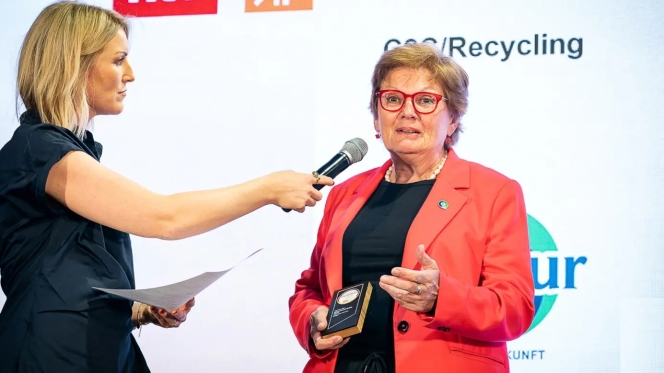
The AZuR Network has been honoured with the German Award for Sustainability Projects 2026 in the C2C/Recycling category for its ‘Retreading: Climate Protection on Wheels’ project. The recognition highlights the network's efforts to expand tyre retreading across Germany and Europe, thereby extending the useful life of tyres. Retreading works by reusing a suitable used tyre casing and applying a fresh tread, keeping a substantial share of the original tyre in circulation.
A life cycle assessment commissioned by AZuR and carried out by the Fraunhofer Institute UMSICHT compared retreaded tyres with equivalent new ones. Under the conditions examined, producing a retreaded truck tyre generated roughly 135 kilogrammes less greenhouse gas emissions, a reduction exceeding 60 percent. The process also reuses considerable portions of the existing tyre casing, reinforcing its environmental advantages.
The jury underscored the project's scalability and its relevance to the industry. Official documentation further noted the political integration of the topic as a key strength, with the EU taxonomy confirmation in 2025 representing a tangible milestone. The award places AZuR among well-known companies and innovative projects, including a climate protection cooker initiative in Cameroon, a capsule-free coffee system and a mental health awareness campaign.
Knauf secured first place in the same category with its circular gypsum supply chain, while Schmitz Cargobull led the Mobility and Logistics Solutions category. Other first-place winners included DEKRA, Hansgrohe, Pfleiderer Germany and SBRS. Presented by DISQ with ntv and DUP UNTERNEHMER under Brigitte Zypries' patronage, the 2026 edition saw 433 nominations, with 46 organisations recognised across 19 categories on 17 September in Berlin.
Christina Guth, Network Coordinator, AZuR, said, “This award belongs to our entire network. Retreading only works when many stakeholders collaborate along the value chain – from certified end-of-life tyre recyclers, tyre manufacturers and retreaders to retailers and fleet operators, all the way to academia. The award highlights the potential of using high-quality tyres for longer and keeping their casings in circulation.”
Birla Carbon To Showcase Sustainable Carbon Black Solutions At Global Polymer Summit 2026
- By TT News
- September 18, 2026
Birla Carbon will present its carbon black solutions at the Global Polymer Summit 2026, scheduled for 28–30 September at the Kentucky International Convention Center in Louisville. The company will exhibit at Booth 417, targeting tyre and mechanical rubber goods (MRG) manufacturers seeking higher performance and reduced environmental impact.
The company’s portfolio spans tyre and MRG applications, addressing durability, strength, abrasion resistance and product life across tyres, belts, hoses, sealing systems and anti-vibration products. Birla Carbon will also feature Continua Sustainable Carbonaceous Material (SCM), a circular carbon range with consistent quality and global availability and Continua Sustainable Carbon Black (SCB), produced from recycled or bio-based feedstocks.
Supported by extensive manufacturing, technical expertise and customer-focused teams across the Americas, Birla Carbon provides reliable volumes, responsive service and tailored solutions. Attendees can meet company experts at Booth 417 to explore its product portfolio, technical capabilities and sustainable offerings.
John Davidson, President – Americas & EMEA, Birla Carbon, said, “The tyre and mechanical rubber goods industries are at an important phase, where performance, supply resilience and sustainability must advance together. The next phase of growth will depend on stronger collaboration across the value chain and the ability to translate innovation into scalable, commercially viable solutions. At Birla Carbon, we are combining our manufacturing network, portfolio strength, technical expertise and regional capabilities to help customers navigate this transition and build more resilient and sustainable businesses.”
Michelin Launches X Multi Energy D2 Tyre For Regional Haul Fleets
- By TT News
- September 18, 2026
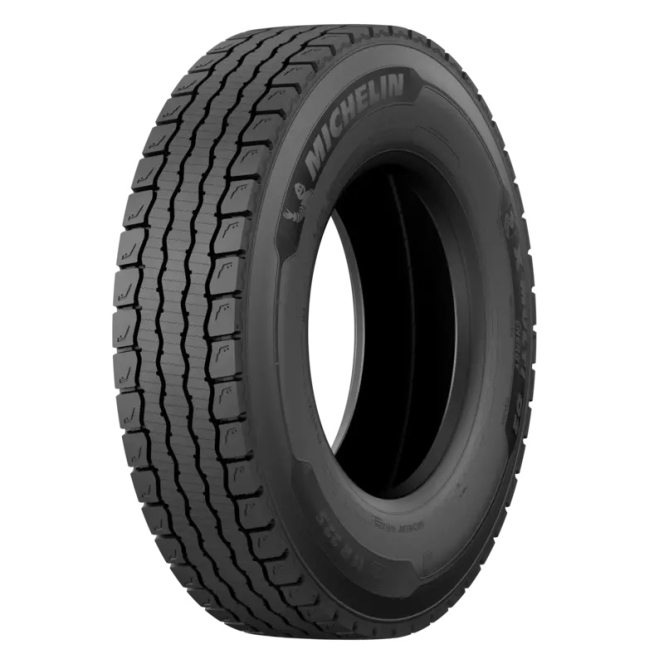
Michelin has unveiled the X Multi Energy D2 tyre, developed to address the specific challenges of regional haul operations. Fleets in this segment face demanding roads, frequent stop-and-start cycles and escalating fuel expenses that affect both performance and profitability. By blending durability, fuel savings and Michelin’s established performance standards, the new tyre aims to boost fleet productivity while reducing overall operating costs.
The tyre features a revised tread pattern and a new tread compound to better resist tread damage caused by high-torque vehicles and stop-and-go regional driving. It is constructed on Michelin’s Duracore casing, which integrates Infinicoil and Powercoil technologies and benefits from a reinforced bead design known as Duracoil Technology. This casing is engineered to last up to one million miles and support as many as four retreads.
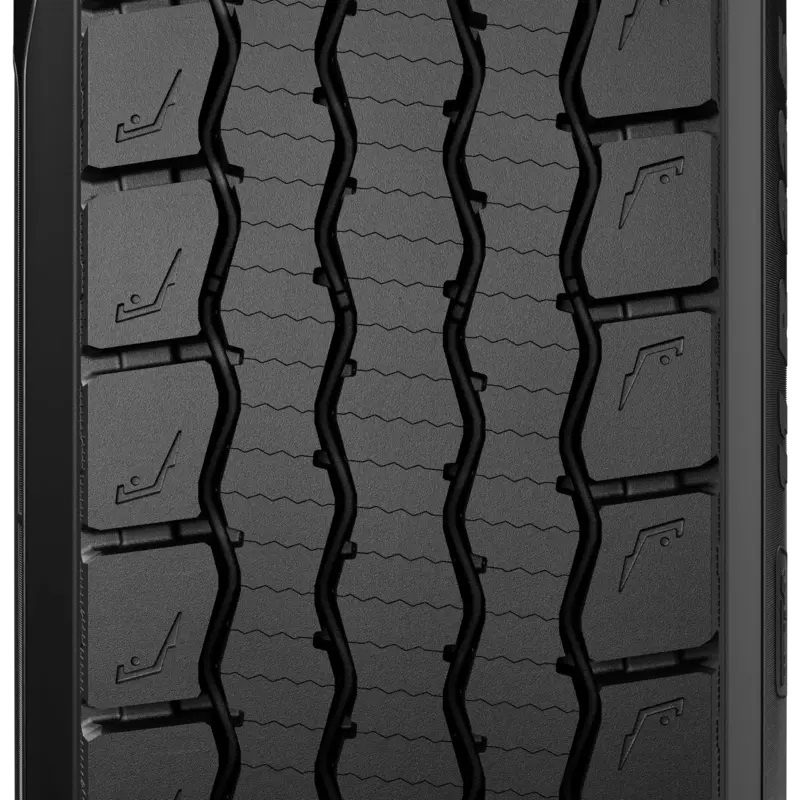
In the effort to curb fuel expenses, the X Multi Energy D2 improves rolling resistance by 9 percent over its predecessor, the Michelin X Multi Energy D tyre, and by 18 percent compared with leading competitors. It also enhances late-life traction, offering 10 percent better wet handling and 16 percent better snow starting traction when worn, giving drivers and operations managers greater confidence on varying roads.
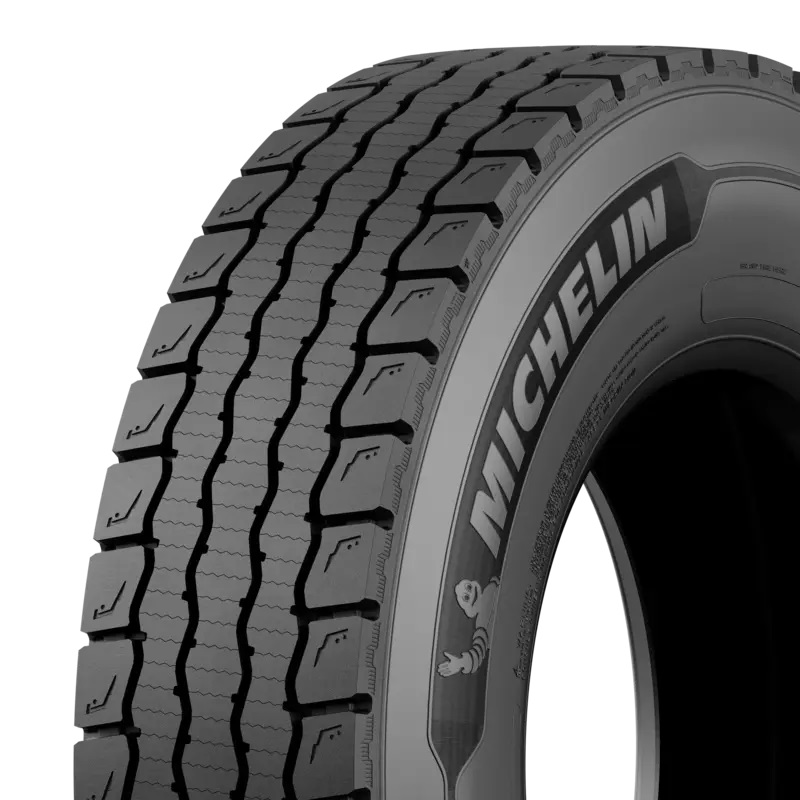
For original equipment manufacturers, the tyre meets Greenhouse Gas standards and supports applicable vehicle carbon-reduction requirements. Designed for regional applications where traction, durability and fuel efficiency matter, it is available in 295/75R22.5 LRG and 11R22.5 LRG and LRH sizes, replacing the X Multi Energy D tyre in those sizes.
Yahn Heurlin, VP of B2B Marketing, Michelin North America, Inc., said, “Michelin is driven by a deep commitment to understanding the needs and challenges customers face every day. This customer-first mindset inspires the development of purpose-built solutions designed to address real-world pain points and help fleets operate more efficiently.”

Comments (0)
ADD COMMENT