

Three Lions (Motif for English National Identity) Safari Rally (The Hare Race)
Started initially as the Coronation rally in 1953, the Safari Rally was initiated whilst Queen Elizabeth was on her honeymoon in Kenya. It was later known as the East African Rally, Malboro Rally,KCB Rally, and today's WRC Safari Rally. It has now evolved to be the biggest motoring event in the African continent, eclipsing the Dakar rally. After three decades, it was moved out of the continent in 2008 due to terror threats in Mauritania. Another is the South African Grand Prix, which was part of Formula One Circuit until 1993 when it was discontinued due to financial problems. Sadly there are just over 500 registered rally drivers in the East African region. A sport that is loved by many has very few participants.
 Initially, the 3200 kilometers safari took five days from May 27th to June 1st, 1953, from Nairobi to Morogoro in Tanzania and back to Nairobi. The second leg took the drivers to Kampala (Uganda) and back to Nairobi through dusty roads and paths that no routes existed. Rules were simple, get a document signed by the majors in Dar and Kampala in the shortest time possible, and you would be declared the winner. Clearly, the event organizers were not worried about fax machines, GPS or accompanying teams.
The WRC Safari rally this year did not disappoint despite coming after a 19-year-old hiatus. It was held in a 48,000-acre—Soysambu Conservancy against a backdrop of giraffes, lions, elephants and leopards. The eventual winner was Sebastien Ogier, a pre-event favourite. Covering an overall distance of 1,113 km and a travel distance of 813 km, he and his team emerged winners riding on the Toyota Gazoo Racing WRT. Local heroes Onkar Rai and Drew Sturrock were winners in the WRC Category 3. Kudos.
A Rhino (The tortoise race)
In the hare and tortoise tale, an enduring theme is that "The race is not for the swift but for those who endure it". A rhino charge is an annual event held in remote and wild areas in Kenya. It is an Off-road 4x4 competition in Kenya that seeks to conserve and protect Kenyan Mountain Range Eco-systems (Water Towers). Today, the Rhino Ark Charitable Trust has raised over USD 16 million for erecting a fence that is 650 km long, and this has reduced the human-wildlife conflict. Funds have also been channelled into protecting the endangered Rhino.
Termed as an endurance race, the entrants must visit several guard posts, while travelling the shortest possible route across a merciless, trackless and often rocky terrain. As if not enough, speed is penalized. Restricted to 65 entrants, the 4x4 drivers have to cover a distance of approximately 100 km in 10 hours (Max) by ensuring that every guard post is visited. The winner is the entrant who visits all the GPS posts provided in the shortest distance possible. Only 65 entrants are allowed. It is my all-time favourite motorsport—a real test of man and machine versus nature.
The Rhino charge route remains a secret until the day of the event to prevent competitors from looking up the route on GPS ahead of time. It is the ultimate test of bravery and level of skill in off-road driving and navigation. A little like the driving through the sand dunes in Dubai laced with the wild thrill of the unknown.
 Manoj Shah (A roaring Lion par excellence)
A philanthropically endowed racer who has used over USD 10 million of his money in enriching and transforming the lives of others, Dr Manoj Shah is both an enigma and adorably approachable. A man of different hats, Dr Shah is, among other things. He is the Group Managing Director of the Kingsway Group of Chairman of Kingsway group of companies (Which includes Kingsway Tyres Ltd). Shah is also Governing council member of the Automobile Association of Kenya, Former president of the Kenya Motor Sports Club and An Ambassador of Goodwill awarded by the Lions Club International.
From the tender age of 16, Manoj has always been crazy for cars and took a keen interest in major sports, locally and internationally. Manoj had been about speed – blistering, binding and badass speed. His mantra – 'Damn the torpedos, full speed ahead.'
He started with a borrowed Peugeot 504, to self-owned Datsun 120J, Datsun 710, Nissan PA 10, and eventually retiring with a Nissan 240RS in 1985 after his father's-Ramnilalji- death. In his early days, he took various defensive and motorsports driving lessons to develop his competitive and navigation skills. He later joined the Kenya Motor Sport Council. During his Safari Rally travails, young Manoj had to face several accidents, two rollovers and a head-on collision with an Antelope, almost drowning whilst crossing a seasonal river and facing a breakdown in a jungle among elephants.
After retiring from Rally Driving, Dr Manoj continued his support for the sport by ensuring Kingsway Tyres Ltd sponsored the motorsport by sponsoring teams, supplying Michelin and BF Goodrich tyres, and offering tyre preventive and maintenance services.

In his recently published Autobiography (One in Million) he shares with me the following Motorsports gems in an interview:
"In racing, it is believed that you go where eyes go. The driver who cannot tear his eyes away from the wall as he spins out of control will hit the wall. The driver who looks down on the track as he feels the tyres break free will regain control of the vehicle".
"I have come to believe that if we hope to build a better world, we must be guided by the universal human values that emphasize the kinship of human race – the sanctity of human life and freedom, peace between nations, honesty and truthfulness, regard for rights of others and love for one fellows".
In Ernest Hemmingways words "Auto-racing, bulling fighting and mountain climbing are the only real sports…..all others are games".
Dr Manoj believes that the future of Motor sports in Africa will be improve with better roads, safer drivers , better highway signage, and training. Today he remarks worse than the wild animals , boda boda (Motor cycle ) operators pose a bigger threat to motorists. (TT)
TyreSafe And Staffordshire Police Join Forces To Boost Road Safety
- By TT News
- September 19, 2026
TyreSafe has entered a new partnership with Staffordshire Police, reinforcing a joint commitment to improve road safety and reduce fatalities and serious injuries across the county. The collaboration aims to highlight the critical role tyres play in protecting road users by encouraging simple, regular checks of pressure, tread depth and overall condition.
The value of this preventative approach was recently demonstrated during a multi-agency enforcement operation at the DVSA Vehicle Inspection Site in Doxey. Held on 25 August, Operation Doxey involved Staffordshire Police, West Mercia Police, DVSA, Datatag, the Forensic Collision Investigation Unit and TyreSafe. Inspectors directed 30 vehicles into the site, covering leisure vehicles, towing vehicles, light commercial vehicles and goods vehicles.
Seven tyre and wheel-related defects, mechanical risks and pressure discrepancies were identified. These included a tyre cut through to the cord, which received an immediate prohibition notice, a tyre running roughly 30 percent below recommended pressure, an overweight light commercial vehicle with a nail embedded in a tyre and all four tyres underinflated, a significant rear axle pressure imbalance, a missing wheel nut and an 11-year-old tyre. Leisure vehicle owners generally showed good tread awareness, though pressure maintenance remained an issue, while commercial vehicles presented several preventable defects.
Staffordshire has one of UK’s statistically safest road networks, yet serious collisions remain a concern, particularly on single carriageways. Rural bends, changing speed limits and limited visibility add risk, while motorcyclists and vulnerable road users are disproportionately affected. Common factors include failing to look properly, misjudging speed or path and driving too fast or carelessly. TyreSafe now works with over 260 organisations, and this partnership encourages Staffordshire motorists to make tyre checks routine.
Stuart Lovatt, Chairman, TyreSafe, said, “We are delighted to welcome Staffordshire Police as a TyreSafe partner. While Staffordshire has a strong road safety record, every serious collision has potentially devastating consequences for those involved, their families and their communities. The recent Operation Doxey enforcement activity demonstrates exactly why preventative vehicle maintenance matters. Across just 30 vehicles, inspectors identified a number of serious tyre and wheel defects, including a tyre cut to the cord, significantly incorrect tyre pressures, an embedded nail, a missing wheel nut and a tyre that was 11 years old.
“These findings are a powerful reminder that problems are not always obvious from behind the wheel. Simple checks before a journey can help identify issues before they become a danger on the road. Different roads present different challenges, particularly rural and single carriageway roads where the consequences of losing control or being unable to stop safely can be especially severe. Road safety requires a collective effort, and partnerships such as this are incredibly important. By combining the reach and expertise of Staffordshire Police with TyreSafe’s specialist knowledge and campaigns, we can help more road users understand the simple but crucial role their tyres play in keeping themselves and others safe.”
Police Sergeant Adam Van de Sande, Staffordshire Road Crime – Proactive & Harm Reduction Team, said, “Keeping people safe on Staffordshire’s roads requires everyone to play their part. We are committed to working with partners to reduce the number of people killed and seriously injured on our road network. Operation Doxey demonstrated the value of partnership working, with officers, vehicle examiners and road safety specialists able to identify a range of defects and safety issues before those vehicles continued their journeys.
“Vehicle safety is an important part of that responsibility, and tyres are fundamental to a vehicle’s ability to stop, steer and maintain grip. We are pleased to be working with TyreSafe to raise awareness and encourage motorists to make regular tyre checks part of their routine vehicle maintenance. Our message to road users is simple: don’t wait for something to go wrong. Take a few minutes to check your vehicle and make sure it is ready for the road.”
- AZuR Network
- German Award for Sustainability Projects
- Tyre Retreading
- Retreading: Climate Protection on Wheels
AZuR Wins German Award For Sustainability Projects 2026 For Tyre Retreading Project
- By TT News
- September 19, 2026
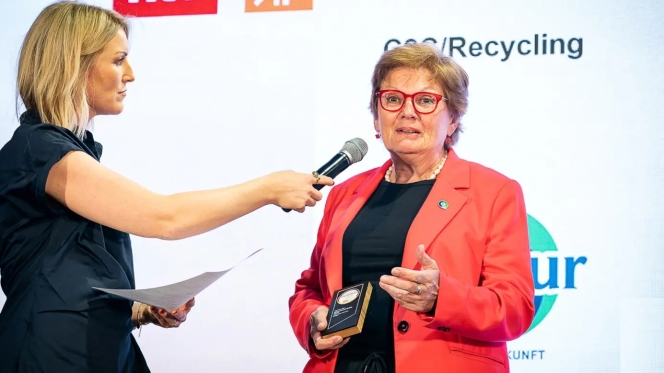
The AZuR Network has been honoured with the German Award for Sustainability Projects 2026 in the C2C/Recycling category for its ‘Retreading: Climate Protection on Wheels’ project. The recognition highlights the network's efforts to expand tyre retreading across Germany and Europe, thereby extending the useful life of tyres. Retreading works by reusing a suitable used tyre casing and applying a fresh tread, keeping a substantial share of the original tyre in circulation.
A life cycle assessment commissioned by AZuR and carried out by the Fraunhofer Institute UMSICHT compared retreaded tyres with equivalent new ones. Under the conditions examined, producing a retreaded truck tyre generated roughly 135 kilogrammes less greenhouse gas emissions, a reduction exceeding 60 percent. The process also reuses considerable portions of the existing tyre casing, reinforcing its environmental advantages.
The jury underscored the project's scalability and its relevance to the industry. Official documentation further noted the political integration of the topic as a key strength, with the EU taxonomy confirmation in 2025 representing a tangible milestone. The award places AZuR among well-known companies and innovative projects, including a climate protection cooker initiative in Cameroon, a capsule-free coffee system and a mental health awareness campaign.
Knauf secured first place in the same category with its circular gypsum supply chain, while Schmitz Cargobull led the Mobility and Logistics Solutions category. Other first-place winners included DEKRA, Hansgrohe, Pfleiderer Germany and SBRS. Presented by DISQ with ntv and DUP UNTERNEHMER under Brigitte Zypries' patronage, the 2026 edition saw 433 nominations, with 46 organisations recognised across 19 categories on 17 September in Berlin.
Christina Guth, Network Coordinator, AZuR, said, “This award belongs to our entire network. Retreading only works when many stakeholders collaborate along the value chain – from certified end-of-life tyre recyclers, tyre manufacturers and retreaders to retailers and fleet operators, all the way to academia. The award highlights the potential of using high-quality tyres for longer and keeping their casings in circulation.”
Birla Carbon To Showcase Sustainable Carbon Black Solutions At Global Polymer Summit 2026
- By TT News
- September 18, 2026
Birla Carbon will present its carbon black solutions at the Global Polymer Summit 2026, scheduled for 28–30 September at the Kentucky International Convention Center in Louisville. The company will exhibit at Booth 417, targeting tyre and mechanical rubber goods (MRG) manufacturers seeking higher performance and reduced environmental impact.
The company’s portfolio spans tyre and MRG applications, addressing durability, strength, abrasion resistance and product life across tyres, belts, hoses, sealing systems and anti-vibration products. Birla Carbon will also feature Continua Sustainable Carbonaceous Material (SCM), a circular carbon range with consistent quality and global availability and Continua Sustainable Carbon Black (SCB), produced from recycled or bio-based feedstocks.
Supported by extensive manufacturing, technical expertise and customer-focused teams across the Americas, Birla Carbon provides reliable volumes, responsive service and tailored solutions. Attendees can meet company experts at Booth 417 to explore its product portfolio, technical capabilities and sustainable offerings.
John Davidson, President – Americas & EMEA, Birla Carbon, said, “The tyre and mechanical rubber goods industries are at an important phase, where performance, supply resilience and sustainability must advance together. The next phase of growth will depend on stronger collaboration across the value chain and the ability to translate innovation into scalable, commercially viable solutions. At Birla Carbon, we are combining our manufacturing network, portfolio strength, technical expertise and regional capabilities to help customers navigate this transition and build more resilient and sustainable businesses.”
Michelin Launches X Multi Energy D2 Tyre For Regional Haul Fleets
- By TT News
- September 18, 2026
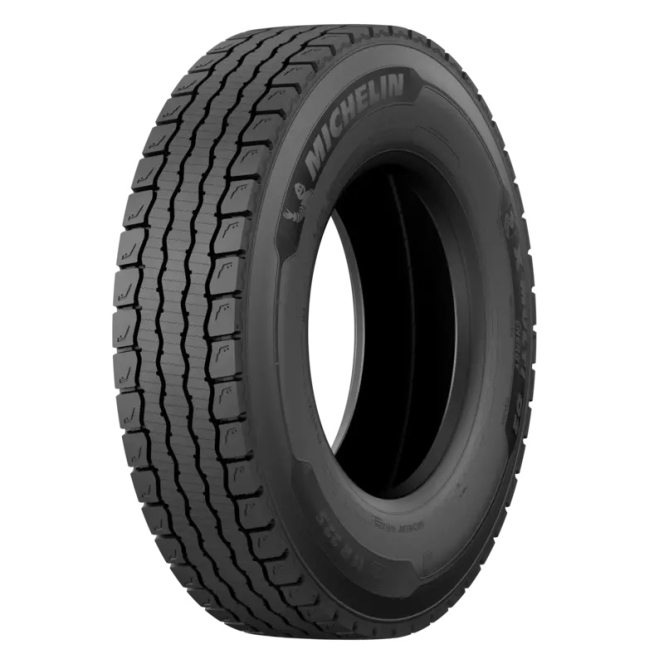
Michelin has unveiled the X Multi Energy D2 tyre, developed to address the specific challenges of regional haul operations. Fleets in this segment face demanding roads, frequent stop-and-start cycles and escalating fuel expenses that affect both performance and profitability. By blending durability, fuel savings and Michelin’s established performance standards, the new tyre aims to boost fleet productivity while reducing overall operating costs.
The tyre features a revised tread pattern and a new tread compound to better resist tread damage caused by high-torque vehicles and stop-and-go regional driving. It is constructed on Michelin’s Duracore casing, which integrates Infinicoil and Powercoil technologies and benefits from a reinforced bead design known as Duracoil Technology. This casing is engineered to last up to one million miles and support as many as four retreads.
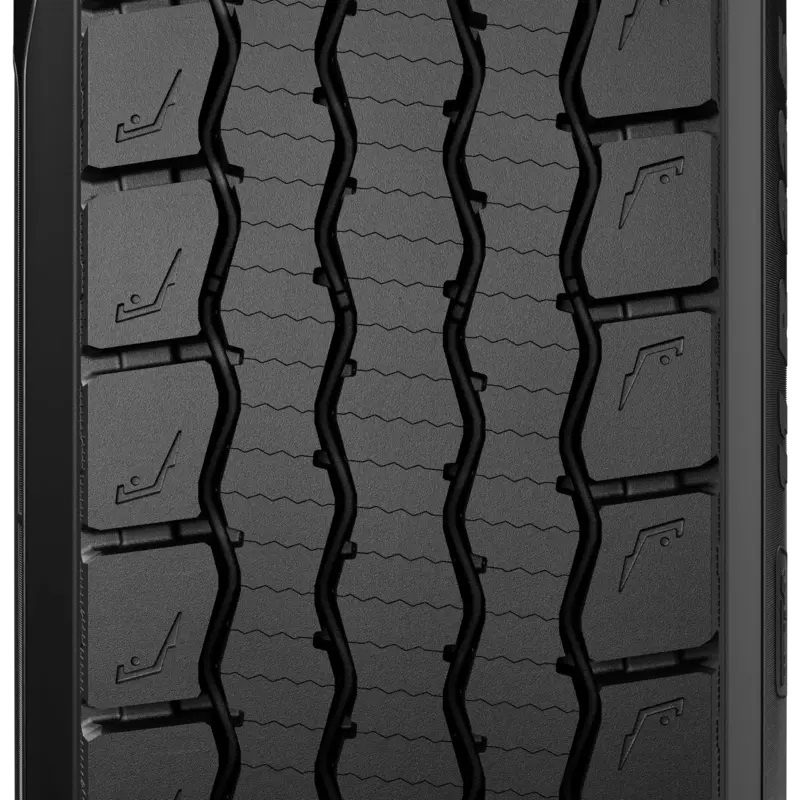
In the effort to curb fuel expenses, the X Multi Energy D2 improves rolling resistance by 9 percent over its predecessor, the Michelin X Multi Energy D tyre, and by 18 percent compared with leading competitors. It also enhances late-life traction, offering 10 percent better wet handling and 16 percent better snow starting traction when worn, giving drivers and operations managers greater confidence on varying roads.
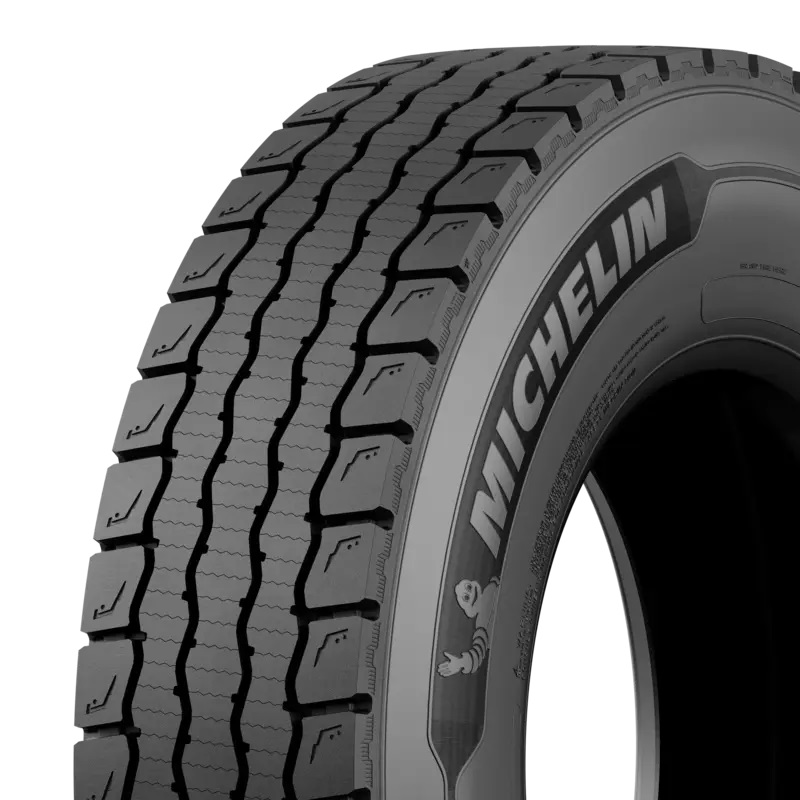
For original equipment manufacturers, the tyre meets Greenhouse Gas standards and supports applicable vehicle carbon-reduction requirements. Designed for regional applications where traction, durability and fuel efficiency matter, it is available in 295/75R22.5 LRG and 11R22.5 LRG and LRH sizes, replacing the X Multi Energy D tyre in those sizes.
Yahn Heurlin, VP of B2B Marketing, Michelin North America, Inc., said, “Michelin is driven by a deep commitment to understanding the needs and challenges customers face every day. This customer-first mindset inspires the development of purpose-built solutions designed to address real-world pain points and help fleets operate more efficiently.”

Comments (0)
ADD COMMENT