

Tussle Of The Black
- By Gaurav Nandi
- February 27, 2025
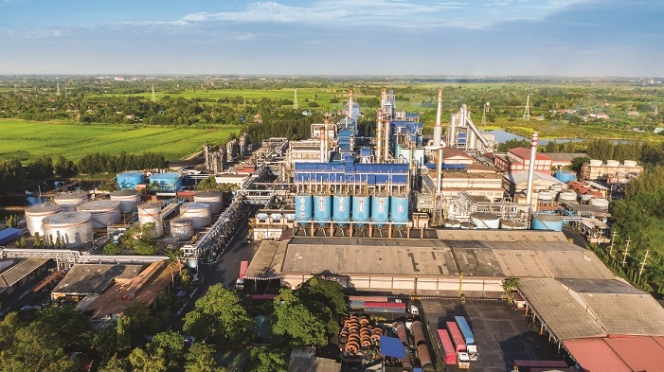
The Chinese carbon black market is marred by excessive capacity and internal price wars that put tyre makers across the world at risk. Indian producers seek to capitalise on the opportunity with reliable supply and quality.
The Asia-Pacific region dominates the global carbon black industry with an estimated 57.84 percent market share in 2023, according to a report by Fortune Business Insights. While China leads as the top exporter of carbon black from the region, India is gradually climbing the ranks with producers ramping up capacities in the wake of emerging markets such as North America.
Moreover, excessive capacity and internal price war is driving the Chinese carbon industry into a downward spiral with India vying to take its place leveraging quality and reliable supply chain.
Speaking on the tussle between the industry in these two countries on the sidelines of the 15th Asia- Pacific Carbon Black Conference, Group Country Head – Expansion Projects Asia – at Birla Carbon, Sanjeev Sood, told Tyre Trends, “China, with its surplus capacity in carbon black, often resorts to aggressive exports, especially to Southeast Asia. However, industry observers question the long-term sustainability of this model. The Chinese pricing mechanism is unsustainable. In today’s market, sustainability – whether in pricing or supply chains – is paramount. The question is not just about achieving results today but maintaining them over time.”
“The carbon black industry in China also faces credibility challenges. Instances of supply failures due to sudden price shifts have left global tyre manufacturers vulnerable. In contrast, Indian suppliers prioritise moral obligations and reliability. Our customers’ operations depend on us and we deliver, come what may,” the executive emphasised.
He also noted that China’s overcapacity has triggered intense price wars domestically, often spilling into export markets. However, Indian manufacturers remain largely insulated. Still, the broader implications of overcapacity, including margin pressures and supply chain disruptions, remain areas of concern for the global industry.
“As the sector navigates these challenges, the indispensability of carbon black remains clear, but the strategic positioning of reliable suppliers may increasingly define the competitive landscape,” he noted.
The rise in production by Indian carbon black manufacturers has drawn attention across the industry. Alluding to how this influences global markets, he noted, “It all boils down to the value you create. The value you provide to your organisation, your product and ultimately to your customers. If that core objective is met, there’s no reason to view increased production as a threat.”
“Rather than a race to expand production volumes, the competition pivots on delivering superior quality, reliability and customer-centric solutions. For players prioritising these principles, aggressive production by competitors becomes less about rivalry and more about reinforcing market dynamics that reward excellence,” he added.
Birla Carbon is also establishing two greenfield plants in the wake of opportunities. However, details of the same were withheld by the executive.
SUSTAINABLE INPUTS
Birla Carbon has recently launched the Continua 8030 carbonaceous material to further its drive to offer sustainable materials to the industry. Alluding to how it has been received by tyre makers, Sood explained, “Continua 8030 has made significant strides in addressing one of the tyre industry’s most pressing challenges, which is incorporating sustainable, recycled materials without compromising performance. The push for circularity has placed tyre companies under immense scrutiny, with demands for sustainability now extending from raw material sourcing to ethical practices.”
“Tyre companies are now laser-focused on using recycled materials and ensuring environmental accountability. Continua 8030 has emerged as a pivotal solution with many customers already integrating it into their formulations and others in advanced testing stages. It’s been highly successful so far, and we believe it has the potential to revolutionise the carbon black industry,” the executive added.
While Continua 8030 aligns with sustainability goals, it isn’t a complete substitute for virgin carbon black. “Recycled carbon black isn’t 100 percent usable in formulations. Continua 8030 must be blended, depending on preferences and processes. The product’s primary advantage lies not in performance enhancement but in supporting sustainability objectives. It’s about how much of your product you can recirculate without compromising the tyre’s overall performance. The blend percentage and usage entirely dictate its effectiveness, but the focus remains on achieving sustainability without a negative performance impact,” averred Sood.
TACKLING SPEEDBUMPS
According to the industry veteran, market volatility remains the most significant challenge for businesses today, especially in industries like carbon black, where global dynamics heavily influence supply chains and costs.
“Geopolitical upheavals, such as the ongoing Israel-Middle East crisis or unforeseen shifts in logistics costs, exemplify the unpredictable nature of the current landscape. Who could have predicted just two months ago the steep surge in shipping rates? This is the reality we face,” he observed.
The key to thriving amidst such uncertainty lies in agility and foresight. “Volatility is inevitable, but how businesses respond makes all the difference. Companies must remain nimble and adapt quickly to align with emerging challenges. The ability to pivot proactively rather than reactively is what defines success,” said Sood.
As markets continue to evolve, businesses that embrace adaptability, plan for contingencies and foster resilience will stand out, turning challenges into opportunities for growth, highlighted the executive.
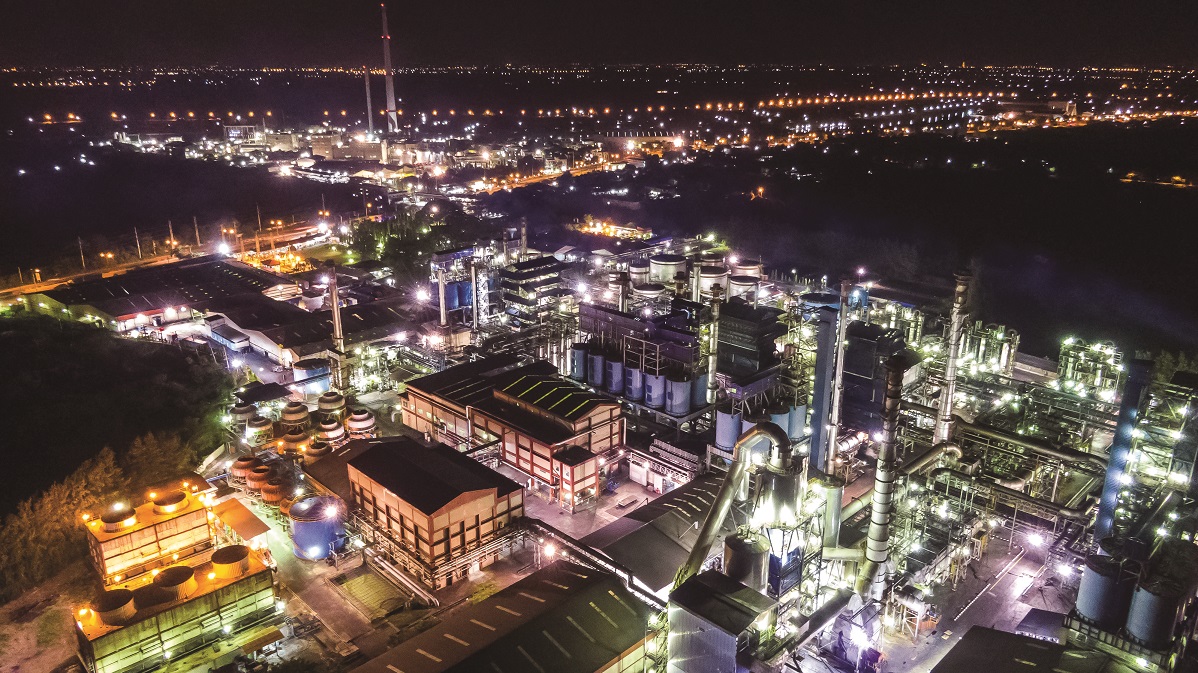
When asked about potential challenges, Birla Carbon remains unfazed. “We do not anticipate challenges we cannot handle. We are prepared for whatever the future holds,” the spokesperson stated, emphasising the company’s resilience and forward-looking strategies.
FORWARD PATH
The carbon black industry is on the cusp of a significant evolution as the automotive sector’s push for sustainable materials gains momentum. However, traditional and sustainable capacities are expected to co-exist and expand to meet growing demand.
Fresh capacities will continue to emerge alongside the increasing adoption of sustainable materials. As long as actual demand grows, the need for carbon black will persist, whether it’s used in conventional applications or innovative blends tailored to specific needs,” said Sood.
A key development in Birla Carbon’s arsenal is the Asia Post-Treatment Plant, the first of its kind in the region. Previously exclusive to the company’s US operations, this advanced technology is now available in Asia, marking a significant milestone.
“This plant isn’t for conventional carbon black but caters to highly specialised applications including paints, toners and speciality blacks. It represents a leap forward in high-end speciality products and demonstrates our commitment to innovation in meeting evolving market demands,” averred Sood.
With its robust capabilities and focus on innovation, the Indian carbon black industry is well-positioned to address the dual priorities of sustainability and performance in the automotive and broader industrial sectors. But how will it fare in its race against China is a matter left to the sands of time.
KraussMaffei Names Ren To Lead Extrusion Unit Alongside China Role
- By TT News
- September 08, 2026

KraussMaffei has appointed Xinting Ren as Managing Director of its extrusion business, effective 1 September, 2026, combining the role with his existing leadership of the group’s China operations.
Ren succeeds Ralf Benack, who left the company at his own request on 31st August , ending a tenure of about two years.
The company said the dual appointment is intended to strengthen integration between its extrusion activities and international operations.
Ren has led KraussMaffei China for the past three years, overseeing cross-technology activities in the Chinese market. Before joining the group, he held several management roles in the chemical industry, including Assistant General Manager at KraussMaffei Company Limited, now operating as Sinochem Equipment Technology Qingdao Co., and most recently served as general manager of Shanxi China Coal Pingshuo Energy Chemical Co., Ltd.
Benack took over leadership of KraussMaffei Extrusion in 2024 and was responsible for the group’s global extrusion business. During his tenure, the company focused on operational processes and customer orientation, reducing delivery times and further developing the Technology Center at its Laatzen site.
The facility now offers 26 pilot lines for development and customer projects, and the company said it also expanded its extrusion technology portfolio.
From September, responsibility for the extrusion business and management of the China business will be combined under Ren’s leadership.
Nokian Tyres Launches Summer Tyre With Top EU Label Ratings Across Range
- By TT News
- September 08, 2026
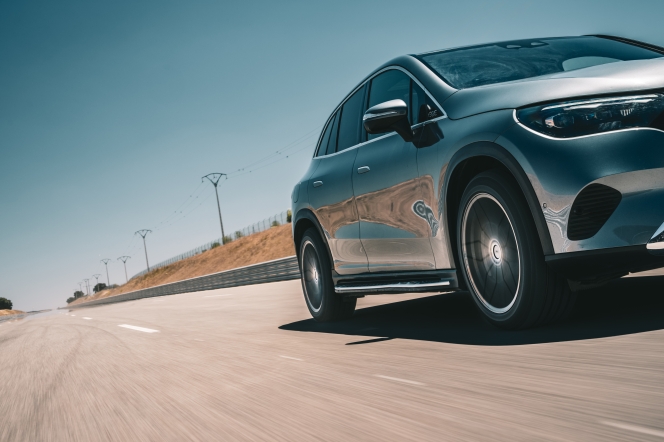
Nokian Tyres plc has introduced a new premium summer tyre, the Powerproof E, designed for Central and Southern European markets, with A-class ratings in all three European Union tyre label categories across its full range.
The company said the tyre achieves top grades for rolling resistance, wet grip and external rolling noise, reflecting a development approach aimed at balancing efficiency, safety and comfort within a single product.
“Whether the priority is maximizing range and efficiency or achieving confidence and comfort in wet conditions, drivers should not have to compromise on safety. The new Nokian Tyres Powerproof E is designed to deliver outstanding performance in the areas that matter most to drivers,” said Tommi Alhola, Senior Vice-President for Passenger Car tyres in Central Europe.
Samu Lepistö, development manager at the company, added: “Achieving A-class ratings in all three EU tire label categories across the entire range is a significant result. These characteristics are all important to today's drivers yet improving one can often affect another. Nokian Tyres Powerproof E was developed to deliver balanced performance across all three areas.”
The tyre incorporates what the company calls Motion Control Technology, combining tread design, compound development and structural engineering to support efficiency and wet-weather performance.
Depending on size, between 40.9 percent and 42.8 percent of the tyre’s material content consists of recycled and renewable inputs, including rice husk ash, recycled carbon black and recycled steel.
Production takes place at the group’s factory in Oradea, Romania, which opened in 2024 and operates with zero direct carbon dioxide emissions, powered by renewable energy.
The Powerproof E is designed for passenger cars, sport utility vehicles and crossover vehicles, including electric, hybrid and internal combustion models. It will be available in sizes ranging from 16 to 20 inches for the 2027 summer season in Central and Southern Europe.
Frank Buntinx Takes Helm As Managing Director Of Continental Tire Canada
- By TT News
- September 08, 2026

Continental Tire Canada has appointed Frank Buntinx as its new Managing Director, effective 17 August 2026. In this executive capacity, he assumes comprehensive oversight of the organisation’s entire Canadian tyre portfolio, which encompasses passenger and light truck vehicles, commercial truck lines and specialised tyre segments. His leadership will guide the strategic direction and operational performance across these diverse business units.
A native of Belgium, Buntinx brings over two decades of tenure with Continental, having commenced his career there in 2003 within logistics and supply chain management. Over the years, he has accumulated a broad commercial skillset through successive roles in marketing, pricing strategy, business analytics, fleet operations and sales. His professional trajectory later elevated him to senior leadership positions in the Benelux region, where he directed marketing efforts and subsequently headed Fleet Solutions and Truck Tires, thereby acquiring multifaceted management expertise.
This transatlantic appointment signifies a pivotal career transition for Buntinx, offering him the chance to infuse the Canadian market with an international vantage point. His arrival is anticipated to bolster Continental’s regional presence, leveraging his extensive cross-functional background to navigate the complexities of the domestic tyre industry and drive organisational growth.
“I am truly excited to join Continental Tire Canada and begin this new chapter. Continental has built a strong business and reputation in the Canadian market, and I look forward to working alongside our talented team to build on that success, strengthening Continental's position while supporting the growth and success of our customers,” said Buntinx.
Dunlop To Exit Karting Tyre Segment By 2027
- By TT News
- September 07, 2026
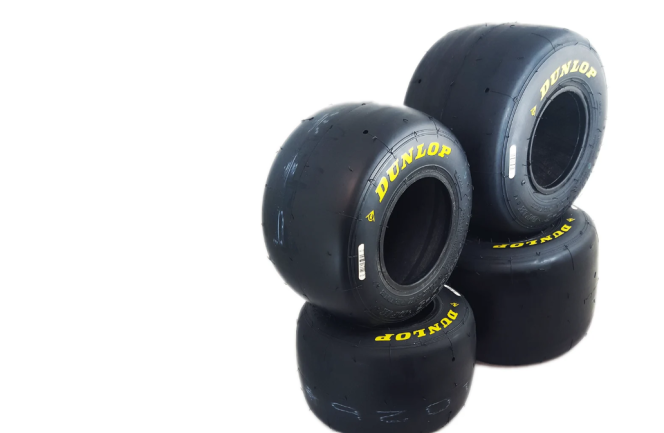
Sumitomo Rubber Industries, Ltd., which operates the Dunlop brand, will discontinue the supply of karting tyres by the end of 2027 as part of a strategic review of its business and allocation of management resources.
The company said it would continue supplying products to existing customers until December 31, 2027.
Dunlop has produced karting tyres since 1976, supplying products homologated by the Commission Internationale de Karting-FIA (CIK-FIA), under the Fédération Internationale de l’Automobile, as well as tyres accredited by the Japan Automobile Federation.
The company said its products had supported a wide range of users, from recreational drivers to young drivers aiming to compete at higher levels, and had contributed to the development of karting participation.
It added that the decision followed a review of its medium- to long-term management strategy and changes in the business environment.
The group said it would continue to contribute to motorsport activities, while expressing appreciation to customers and organisations that had supported its karting tyre business.

Comments (0)
ADD COMMENT