

- Pirelli
- Science Based Targets initiative
- Greenhouse Gas Emissions
- Paris Agreement
- Net Zero
- SBTi
- Sustainability
- Global Warming
HF READY FOR FUTURE CHALLENGES
- By TT News
- February 22, 2021
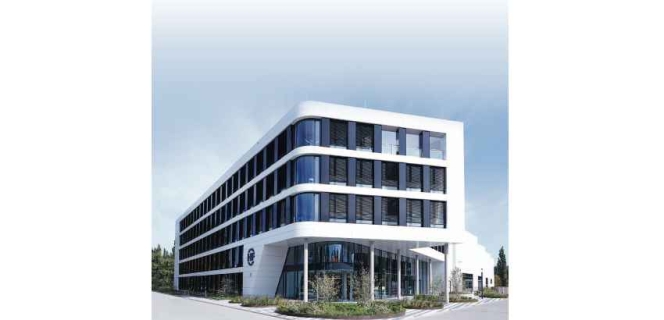
 The new headquarters of the Group, which has a history of 165 years of steady growth, serves the business units HF TireTech Group and HF ToolTech Group.
The designing of the new office is tuned to the needs of the Group’s forward march. Direct access from the office facilities to the assembly hall and machine testing area brings all fields of work close together and ensures optimised communication. The established and well proven production unit in Belišće, Croatia remains. Continuous investments in logistics, painting, warehousing and machining under highest economic aspects guarantee state of the art manufacturing.
Back on track
The COVID 19 pandemic and the global lockdown that came with it saw HF being tested hard for its resilience and the capability to help its partners put their production process back on track through its engineering and other services.
“For HF, partnership means to support its valued customers with benefits that will help to keep their production back on track,” says HF TireTech Group Managing Director Dr. Joern Seevers.
HF´s benefits & services for the tyre production are many:
• Technical support for restarting the HF Curing Presses
• Inspection and readjustment of mechanical settings
• Inspection of safety-related components
• Performance check and functional analysis of hydraulic/pneumatic systems
• Software check-up and functionality test
• Close coordination and supply of spare parts
• Individual training for technicians and service people for a smooth and efficient production ramp-up; trainings can take place on customers site or in Hamburg at the Group’s testing press. Virtual support is also available
Dr. Seevers said: “Together with our customers we analyse production processes, optimise, adjust to changed situations, look behind the production and develop new strategies to achieve more flexibility, increase quality, reduce costs and raw material - get into action with a higher level in automation and smart retrofitting and be ready for sustainable tyre production.”
 Tandem Mixer technology:
HF takes it to the next level
HF Mixing Group is supplying Tandem Mixers for more than 15 years and has kicked off a revolution in mixing since then. The concept appears to be simple, but all those years of experience have shown that the highest degree of machine engineering has to be combined with extensive process know how to make a Tandem Mixer successful. And a mixing line is only successful if the calculated output and productivity is achieved – combined with a reliability which enables stable production for years.
As matter of fact to develop the process to mix on a Tandem Mixer takes some time and efforts – not to forget the technological know-how of the mixing process itself. HF offers the possibility to accompany this development by offering extensive trials and engineering studies – to shorten the time from ordering a machine up to the point of running in full production.
The goal of a Tandem Mixer is to reduce the specific cost of mixing a compound – on many occasions, HF has proven that overall cost reductions of 15% can be achieved compared to standard lines with a single mixer. This, in between other, is achieved by reducing the mixing steps for a PCR compound from 2,5 to 1,5 steps.
But productivity is not the only driving factor to invest in a Tandem Line – the quality of the compound overall and specifically constant and repeatable mixing of modern compounds is to be ensured. To optimise dispersion, distribution, temperature control and process stability makes a significant difference in today’s production of more complex compound recipes. The intermeshing mixers produced by HF and used in a Tandem Line guarantee to meet these requirements more than any other mixers on the market.
Experiences have shown that no compromise on quality can be made – and HF is supporting this approach with delivering a control system for Tandem Lines which enables their customers to not only run the machine efficiently but also uses online condition monitoring to always reflect on a reliable compound quality which is repeatable.
HF emphasises on result driven production concepts for its customers – further innovations in terms of integrating industry 4.0 solutions to the mixing process are on its way and the focus is clear: Intelligent machines will integrate new digital solutions into the mixing process and will ensure to meet the expectations of the future.

Brownfield projects
The COVID pandemic put a stronger focus on replacing existing machines instead of adding new capacities to a production plant. Also, productivity as well as sustainability aspects are driving many tyre companies to have a closer look to the installed base.
But inspecting a mixing line which has run for more than 15 years (or sometimes even 25 years) brings to light what challenges may come up if this line will be replaced by a new one. Output values need to be increased, a new mixer technology should improve the quality of compounds, modern automation solutions should support the daily production procedures and increase process stability – many more requirements should be met. One of the largest challenges is limited space when looking at an upgrade of machinery.
Not only the pure space but also intralogistics within a mixing line can create headache – from upstream equipment feeding a mixer all the way to downstream machinery processing the batch further – many modern solutions can be used today but looking at the available space installing them is the challenge.
With a clear focus on such brownfield projects, HF has managed several conversions from old to new with unmatched success. A key in such projects is the planning and pre-engineering process. Starting with an inspection of not only the mixer but all surrounding factors in the building – considering also the material flow – and then continuing with a 3D- scan of the existing equipment including pipe and cabling routing the basis for planning can be laid. Supported by this 3D-scan HF engineers plan and design with 3D models the complete mixing mill room.
By keeping the existing machinery as the base layer and inserting new equipment in an over-lay collisions of steel constructions, limitations in space and optimised pipe and cable routing can be identified. Furthermore, an improved process flow chart is the basis of planning material flow, work processes and even manpower to operate the new mixing line. Finally, new controls and automation solutions – on the basis of industry 4.0 – will improve operating and monitoring the equipment.
One of the largest benefits using HF’s Pre-Engineering is shortening the planning and execution time – and last but not least the reduction of financial funds is possible by starting up the new line much quicker compared to the conversion of lines in earlier years.
Safety first
Supporting all major tyre manufacturers with mixing technology HF constantly strives for improving operational procedures in the mixing mill room. When it came apparent that the variety of compounds increased more and more – driven by many more types and technologies in tyres today – the changeover times from one recipe to the other was put in the focus of operational optimisation. Not only flexible automation solutions are required but also quick availability of the mechanical equipment after the last batch of the current recipe was dispatched. In between other HF identified the cleaning of the mixing chamber as a critical action during changeover in two aspects: First it needs to be safe for the maintenance personal to enter the mixing chamber and secondly time can be saved if the access to the chamber can be optimized.
In order to meet both requirements HF’s engineers designed a maintenance box, the so-called mBox©, which is mechanically integrated directly underneath the mixer – combining the mixer with the chute of a dump extruder for example.
In the moment the mixing line is switched to cleaning mode and all movements of parts are blocked a moveable platform – the floor of the maintenance box – is inserted horizontally underneath the mixer. A door of the box can be opened, and maintenance personnel can enter the box safe and secure, standing underneath the mixer with easy access to the mixing chamber.
Besides the safe working environment customers from HF have noticed saving time and having the opportunity of even inspecting the mixing chamber easier and more frequent during a changeover.
Especially in new installations of a mixing line the mBox© can be integrated in the design of the line easily and right from the start – benefitting the safety and operation of the line daily.

HF Screw Presses
The production of screw presses is one of HF`s core competences for decades. The screw press has gained recognition during its affiliation with KRUPP. Thus, the presses operate all over the world and more than 2.500 presses are installed in various industries for example the edible oil industry, biomass technology and rendering. And, most interesting for the tyre industry, the presses accomplish benchmarking results in the dewatering of natural and synthetic caoutchouc. As a more efficient and space saving solution instead of band dryer systems or similar the screw press has its strong eligibility in dewatering process.
 HF Curemaster
HF brought the first hydraulic column type curing press to the tyre industry in 1997. Since then, it continued to develop this product to meet the demanding requirements of its customers.
The HF Curemaster was launched two years ago and since then the patented truck tyre curing press has been successfully installed in multiple locations and in efficient operation. The press provides a flexible and compact footprint, making it possible to replace older presses with potentially more presses per existing trench.
The HF Curemaster also focuses on optimising energy efficiency to ensure the lowest total cost of ownership in the curing plant. The HF Curemaster´s hood design incorporates insulation inside the hood to provides the best insulation effect. In addition, the HF Curemaster provides an extremely fast cycle time to minimise the overall amount of heat loss during the open and close sequence of the press.
HF PCR Design
Delivering for a new greenfield plant is relatively straightforward. However, HF understands the important need of the replacement market as well. It is important to be flexible to meet all the varying trench layouts (pit, shelf, pitless, and so on). Equally important is the need to be able to replace existing 42” – 45” old mechanical presses with 48” – 52” modern presses in order to meet the growing demand for larger tyre sizes.
All replacement projects are analysed carefully together with customers. Attention is paid closely to all details related to operation, maintenance access, mould & bladder change requirements as well as all local safety regulations. HF´s long experience with curing presses provides a large variety of modular options to be used for finding the optimised fit for each specific request.
HF Stack Passenger Car Inflator (PCI)
The requirement for post cured tyres continues to grow in the market and HF has designed a simple and compact solution that can be incorporated in all HF presses as well as behind most all existing older presses.
The patented HF Stack PCI design allows for the PCI to be integrated into even the tightest footprints. This solution eliminates any movement or rotations of the PCI body itself and greatly reduces the amount of moving mechanical components and maintenance.
HF Digitalisation
HF recognises the important trend of digitalisation for the tyre manufacturers and has developed reliable, customised software solutions for machine data communication between machine control and customer IT systems. The main steps were to focus on MES, SCADA and Recipe Management interfaces.
HF Smart Curing enables customers to get started quickly and effectively with a future-oriented digitisation solution. The main advantage in this case is that software for machine data acquisition is supplied directly by the supplier and not by IT service providers.
OPC server technology and efficient network solutions are tailored to the machine enable secure data acquisition. This software can provide feedback in regard to condition monitoring, diagnostic function, machine services, energy monitoring and remote service.
The benefit of connecting your equipment with digitalised solutions clearly accelerates a target-oriented development and improves the Total Cost of Ownership of the equipment.
- Association of Natural Rubber Producing Countries
- ANRPC
- World Elastomer Technology and Engineering Forum
- Natural Rubber
ANRPC Secretary-General Presses Natural Rubber Agenda At WETEF 2026
- By TT News
- September 19, 2026
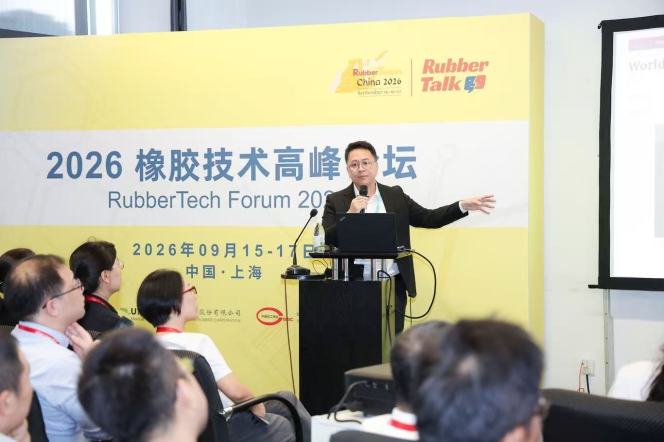
Dr Suttipong Angthong, Secretary-General of the Association of Natural Rubber Producing Countries (ANRPC), was a distinguished speaker at the World Elastomer Technology and Engineering Forum (WETEF) in Shanghai from 13 to 16 September 2026. Co-organised with RubberTech China, the event attracted over 100,000 professional visitors, industry leaders, scholars and executives from dozens of countries.
His participation delivered strategic benefits for ANRPC and its members by raising natural rubber's profile amid global discussions dominated by synthetic elastomers and advanced materials. Aligning with WETEF's eco-friendly manufacturing focus, he promoted climate-positive practices, traceability and environmentally sound processing methods.
The forum also created direct dialogue channels with major consuming markets and international technical institutions, strengthening trade synergies. It provided valuable insights into breakthrough elastomer science, helping member nations adapt to shifting international market demands.
Kuraray Marks Centennial With ¥9.9 Million Donation To International Organisations
- By TT News
- September 19, 2026

Kuraray Co., Ltd. has contributed JPY 9,896,480, roughly USD 64,000, to four international nonprofit organisations. The funds were generated through employee participation in ‘100 Challenge’, a global initiative tied to the company’s centennial observances.
The World Food Programme received JPY 2,804,003, while UNICEF was granted JPY 2,474,120. WaterAid obtained JPY 2,405,394 and WWF was allocated JPY 2,212,963. Each organisation’s share corresponded directly to points accumulated by Kuraray Group staff.
The Group marked its 100th anniversary in June 2026, adopting ‘Possible starts here’ and a related brand story as the guiding concept for its centennial activities. While honouring those who built its first century, Kuraray is pursuing diverse efforts intended to shape the next 100 years, with employees worldwide at the centre. The company seeks to connect staff across departments, countries and languages, fostering unity and connection.
A dedicated app called ‘100 Challenge’, inspired by younger employees, formed one such effort. Participants completed 100 in-app tasks, earning points that supported social contribution activities. The app provided a shared experience regardless of location or role, with individual efforts contributing to both a commemorative mosaic artwork and charitable donations. By combining small individual challenges, the initiative illustrated how personal actions can generate meaningful collective impact, reflecting long-held Kuraray Group values.
TyreSafe And Staffordshire Police Join Forces To Boost Road Safety
- By TT News
- September 19, 2026

TyreSafe has entered a new partnership with Staffordshire Police, reinforcing a joint commitment to improve road safety and reduce fatalities and serious injuries across the county. The collaboration aims to highlight the critical role tyres play in protecting road users by encouraging simple, regular checks of pressure, tread depth and overall condition.
The value of this preventative approach was recently demonstrated during a multi-agency enforcement operation at the DVSA Vehicle Inspection Site in Doxey. Held on 25 August, Operation Doxey involved Staffordshire Police, West Mercia Police, DVSA, Datatag, the Forensic Collision Investigation Unit and TyreSafe. Inspectors directed 30 vehicles into the site, covering leisure vehicles, towing vehicles, light commercial vehicles and goods vehicles.
Seven tyre and wheel-related defects, mechanical risks and pressure discrepancies were identified. These included a tyre cut through to the cord, which received an immediate prohibition notice, a tyre running roughly 30 percent below recommended pressure, an overweight light commercial vehicle with a nail embedded in a tyre and all four tyres underinflated, a significant rear axle pressure imbalance, a missing wheel nut and an 11-year-old tyre. Leisure vehicle owners generally showed good tread awareness, though pressure maintenance remained an issue, while commercial vehicles presented several preventable defects.
Staffordshire has one of UK’s statistically safest road networks, yet serious collisions remain a concern, particularly on single carriageways. Rural bends, changing speed limits and limited visibility add risk, while motorcyclists and vulnerable road users are disproportionately affected. Common factors include failing to look properly, misjudging speed or path and driving too fast or carelessly. TyreSafe now works with over 260 organisations, and this partnership encourages Staffordshire motorists to make tyre checks routine.
Stuart Lovatt, Chairman, TyreSafe, said, “We are delighted to welcome Staffordshire Police as a TyreSafe partner. While Staffordshire has a strong road safety record, every serious collision has potentially devastating consequences for those involved, their families and their communities. The recent Operation Doxey enforcement activity demonstrates exactly why preventative vehicle maintenance matters. Across just 30 vehicles, inspectors identified a number of serious tyre and wheel defects, including a tyre cut to the cord, significantly incorrect tyre pressures, an embedded nail, a missing wheel nut and a tyre that was 11 years old.
“These findings are a powerful reminder that problems are not always obvious from behind the wheel. Simple checks before a journey can help identify issues before they become a danger on the road. Different roads present different challenges, particularly rural and single carriageway roads where the consequences of losing control or being unable to stop safely can be especially severe. Road safety requires a collective effort, and partnerships such as this are incredibly important. By combining the reach and expertise of Staffordshire Police with TyreSafe’s specialist knowledge and campaigns, we can help more road users understand the simple but crucial role their tyres play in keeping themselves and others safe.”
Police Sergeant Adam Van de Sande, Staffordshire Road Crime – Proactive & Harm Reduction Team, said, “Keeping people safe on Staffordshire’s roads requires everyone to play their part. We are committed to working with partners to reduce the number of people killed and seriously injured on our road network. Operation Doxey demonstrated the value of partnership working, with officers, vehicle examiners and road safety specialists able to identify a range of defects and safety issues before those vehicles continued their journeys.
“Vehicle safety is an important part of that responsibility, and tyres are fundamental to a vehicle’s ability to stop, steer and maintain grip. We are pleased to be working with TyreSafe to raise awareness and encourage motorists to make regular tyre checks part of their routine vehicle maintenance. Our message to road users is simple: don’t wait for something to go wrong. Take a few minutes to check your vehicle and make sure it is ready for the road.”
- AZuR Network
- German Award for Sustainability Projects
- Tyre Retreading
- Retreading: Climate Protection on Wheels
AZuR Wins German Award For Sustainability Projects 2026 For Tyre Retreading Project
- By TT News
- September 19, 2026
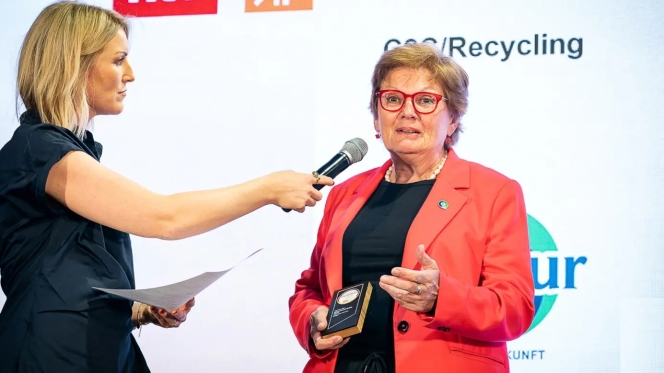
The AZuR Network has been honoured with the German Award for Sustainability Projects 2026 in the C2C/Recycling category for its ‘Retreading: Climate Protection on Wheels’ project. The recognition highlights the network's efforts to expand tyre retreading across Germany and Europe, thereby extending the useful life of tyres. Retreading works by reusing a suitable used tyre casing and applying a fresh tread, keeping a substantial share of the original tyre in circulation.
A life cycle assessment commissioned by AZuR and carried out by the Fraunhofer Institute UMSICHT compared retreaded tyres with equivalent new ones. Under the conditions examined, producing a retreaded truck tyre generated roughly 135 kilogrammes less greenhouse gas emissions, a reduction exceeding 60 percent. The process also reuses considerable portions of the existing tyre casing, reinforcing its environmental advantages.
The jury underscored the project's scalability and its relevance to the industry. Official documentation further noted the political integration of the topic as a key strength, with the EU taxonomy confirmation in 2025 representing a tangible milestone. The award places AZuR among well-known companies and innovative projects, including a climate protection cooker initiative in Cameroon, a capsule-free coffee system and a mental health awareness campaign.
Knauf secured first place in the same category with its circular gypsum supply chain, while Schmitz Cargobull led the Mobility and Logistics Solutions category. Other first-place winners included DEKRA, Hansgrohe, Pfleiderer Germany and SBRS. Presented by DISQ with ntv and DUP UNTERNEHMER under Brigitte Zypries' patronage, the 2026 edition saw 433 nominations, with 46 organisations recognised across 19 categories on 17 September in Berlin.
Christina Guth, Network Coordinator, AZuR, said, “This award belongs to our entire network. Retreading only works when many stakeholders collaborate along the value chain – from certified end-of-life tyre recyclers, tyre manufacturers and retreaders to retailers and fleet operators, all the way to academia. The award highlights the potential of using high-quality tyres for longer and keeping their casings in circulation.”


Comments (0)
ADD COMMENT