

- Peugeot Sport
- Point S
- Team Peugeot TotalEnergies Hypercar Programme
- FIA World Endurance Championship
Peugeot Sport Partners With Point S For Team Peugeot TotalEnergies In FIA WEC
- By TT News
- January 14, 2025
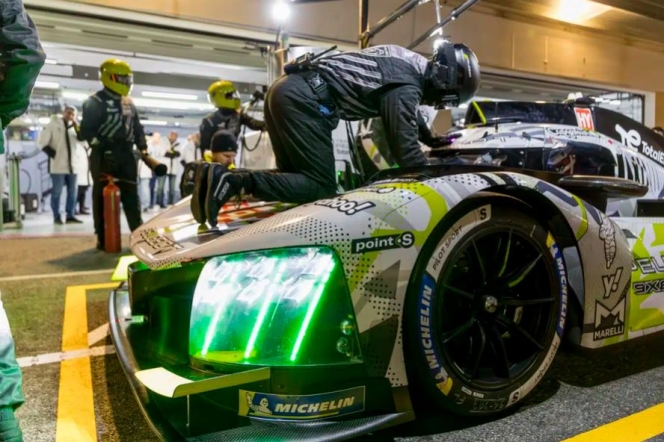
Peugeot Sport has entered into a partnership with Point S, a global leader in independent tyre and car maintenance services, for the Team Peugeot TotalEnergies Hypercar programme in the FIA World Endurance Championship (WEC).
The PEUGEOT 9X8 Hypercar and its surroundings will have the Point S emblem for the 2025 FIA WEC season as part of this new collaboration. This partnership demonstrates Peugeot Sport and Point S's shared dedication to driving innovation and producing outstanding results on and off the track.
The Qatar 1,812-km race kicks off the 2025 WEC season on 28 February at the Lusail International Circuit. The PEUGEOT 9X8 Hypercar will participate in the 6 Hours of Imola and the 24 Hours of Le Mans, two of the most renowned endurance events. Paul Di Resta, Loïc Duval, Malthe Jakobsen, Mikkel Jensen, Stoffel Vandoorne and Jean-Éric Vergne are among the team's seasoned drivers, who will represent Peugeot Sport's quest for greatness on the international scene.
Jean-Marc Finot, Senior Vice President of Stellantis Motorsport, said, “We are thrilled to welcome Point S as a key partner for Team Peugeot TotalEnergies. This partnership reflects a shared dedication to innovation, performance, sustainability and customer care both in Stellantis and Point S DNA. By joining forces, we will not only meet the challenges of modern motorsport but also create a lasting impact for our fans and customers alike.”
Fabien Bouquet, CEO, Point S International, said, “Our partnership with Team Peugeot TotalEnergies marks an exciting new chapter for Point S. By stepping into the world of endurance racing, we aim to align our expertise in automotive excellence with Peugeot Sport’s legendary status in motorsport. Together, we will demonstrate shared values of precision, innovation and performance, and we are excited to support Peugeot Sport as they push the limits of what’s possible on the track.”
- U.S. Tire Manufacturers Association
- USTMA
- National Highway Traffic Safety Administration
- NHTSA
- Tyre Testing Standards
USTMA Backs NHTSA Move To Modernise Outdated Tyre Testing Standards
- By TT News
- October 27, 2026
The U.S. Tire Manufacturers Association (USTMA) has welcomed the National Highway Traffic Safety Administration's (NHTSA) announcement of a negotiated rulemaking aimed at modernising federal tyre testing standards. The association has long pushed for this update, arguing that current rules are outdated.
According to USTMA President and CEO Anne Forristall Luke, modern standards lead to safer roads, and the group praised Administrator Morrison for advancing the effort. Luke noted that testing designed for 1960s-era tyres reveals little about today's products and blocks Americans from accessing advanced technology available elsewhere. Aligning standards with modern tyre technology would give drivers access to the highest-performing tyres, and USTMA members are ready to contribute their engineering expertise to the process.
“Modern standards make for safer roads. USTMA applauds Administrator Morrison for taking on work the tyre industry has urged for years: bringing federal tyre standards in line with the tyres Americans drive on today. Outdated tyre testing standards designed for the tyres of the 1960s tell us nothing about whether today’s tyres are safe. In fact, those outdated standards prevent American drivers from accessing the latest technology currently available in much of the rest of the world. Bringing our standards into line with modern tyre technology will ensure Americans have access to the highest performing tyres made today. USTMA’s members look forward to contributing their engineering expertise to the process,” said the USTMA President and CEO.
Pirelli Closes 2026 FIA ERC Season With Manufacturers' Title And Two Top-Three Drivers
- By TT News
- October 27, 2026
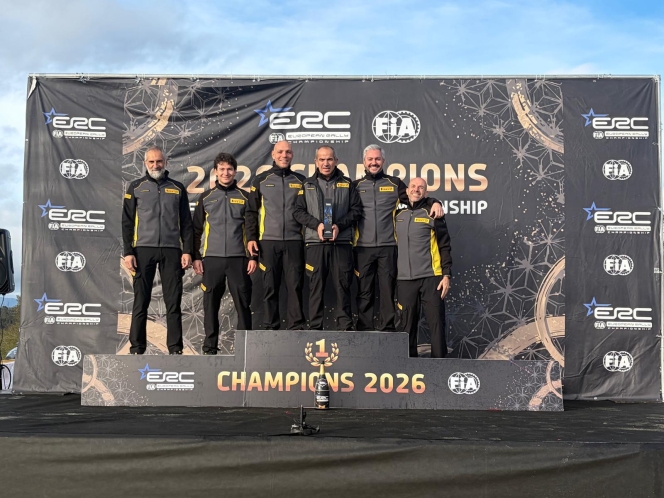
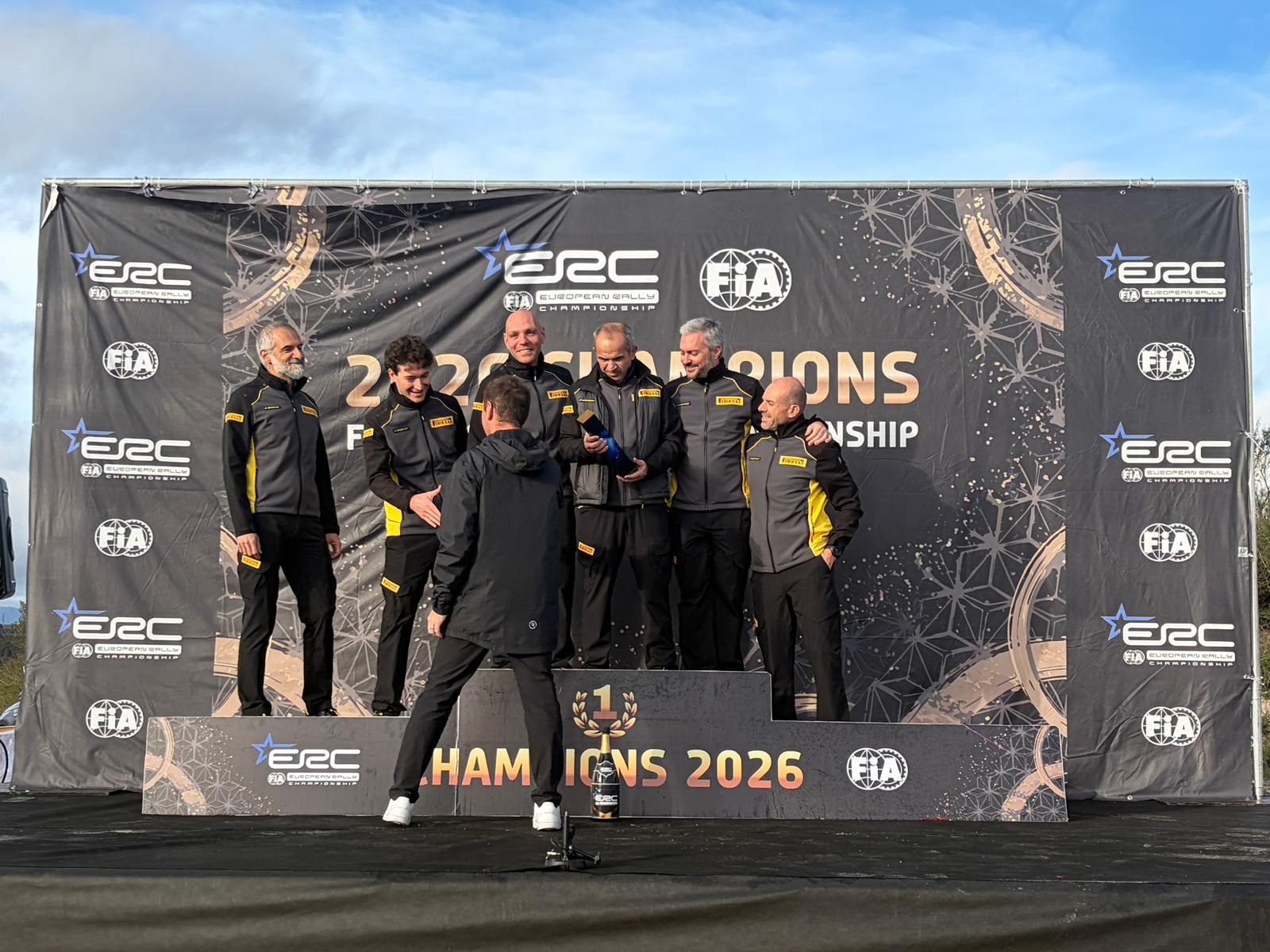
Pirelli wrapped up the 2026 FIA European Rally Championship (ERC) season at Rally Fafe by securing its second consecutive Tyre Manufacturers' title, with two of its drivers finishing in the overall top three. Teemu Suninen had already clinched the drivers' crown in Wales with a round to spare, while Andrea Mabellini completed the standings in third aboard a Lancia Ypsilon Rally2 HF Integrale. Both frontrunners relied exclusively on Pirelli tyres throughout the campaign.
The Italian manufacturer's full range proved competitive across widely varying conditions, from the P Zero asphalt specifications to the new Scorpion AT gravel tyres, which made their European championship debut this season. These products were engineered to handle the high temperatures and abrasive roads of Rome, the slippery asphalt of Poland and the Czech Republic and the traction and braking demands of Scandinavia's fast gravel stages.
Suninen anchored his title-winning season with victory in Poland and second-place finishes in Rome, at the Barum Rally and at Rali Ceredigion. Additional points came from crews contesting selected rounds, including Mikko Heikkilä's win in Scandinavia, Roberto Daprà's triumph in Rome and Giandomenico Basso's podium at the Spanish season opener. Across the year, Pirelli-equipped crews won 45 of 101 special stages, a 45 percent share, comprising 32 of 68 asphalt stages (47 percent) and 13 of 33 gravel stages (39 percent).
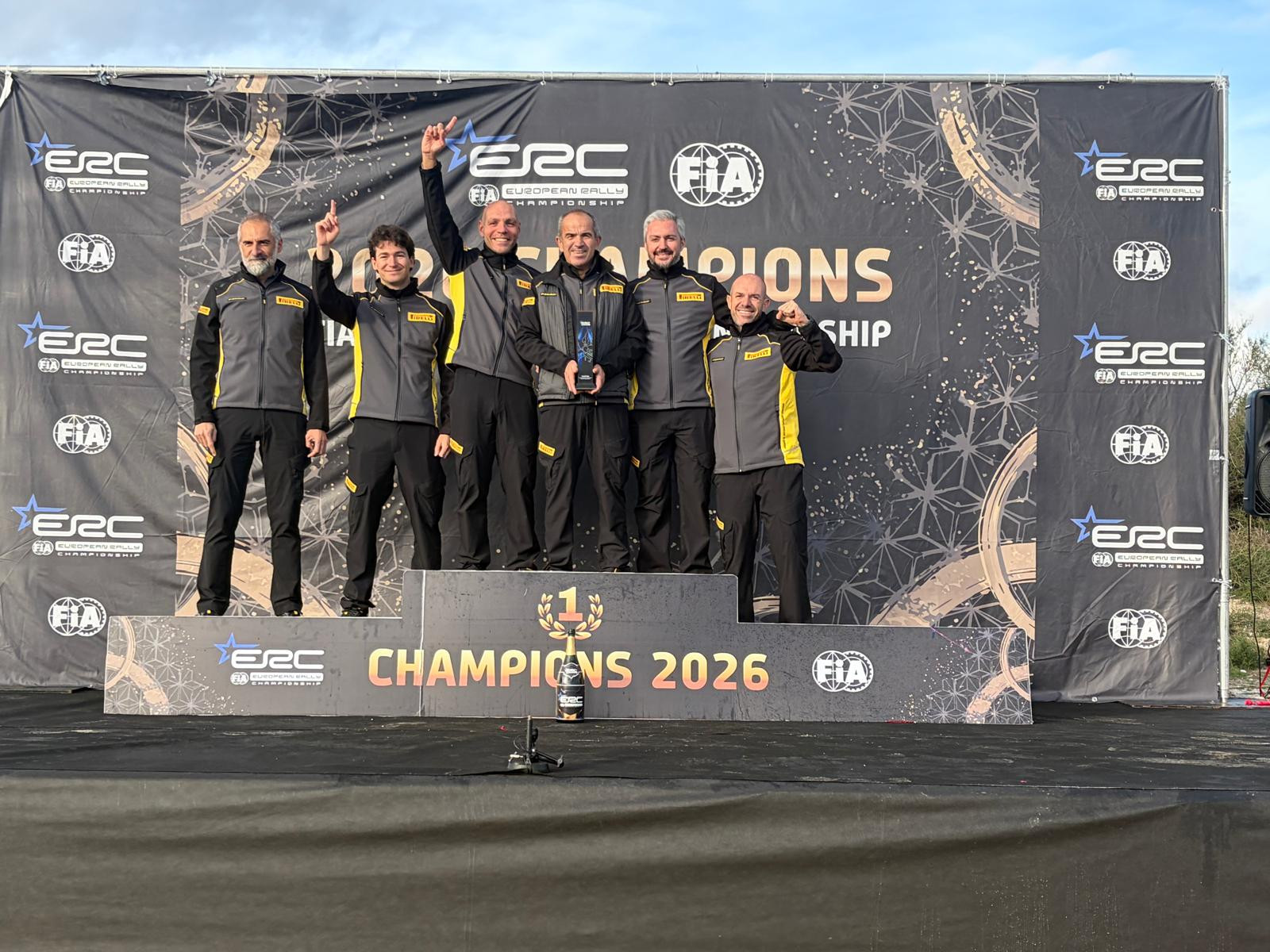
The Scorpion AT represented 2026's principal technical innovation, introducing the championship's only asymmetric, non-directional tread pattern alongside upgraded compounds to boost traction and braking. Heikkilä's Rally Scandinavia victory on the tyre's debut, using both soft and supersoft compounds, immediately validated its competitiveness. On asphalt, P Zero development centred on optimising compounds for the season's varied temperatures, abrasiveness and grip levels.
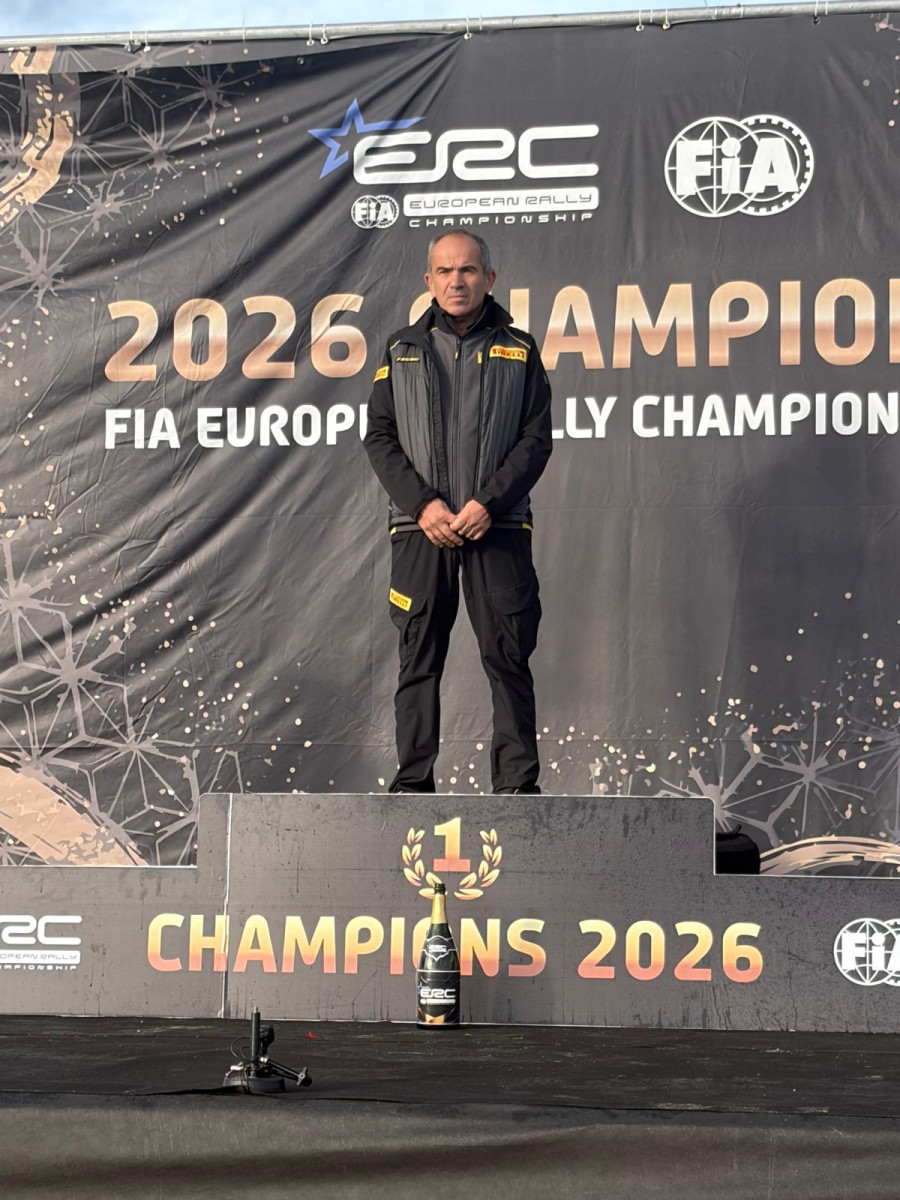
Terenzio Testoni, Rally Activity Manager, said, “This season rewards the work of our drivers and the entire team, as well as a clear technical commitment: to keep developing the range even when our products are already competitive. With the Scorpion AT, we introduced a new tread pattern and improved compounds; with the P Zero, we focused on compound development. The results came on both surfaces and in very different conditions. Suninen converted his speed into a title through a remarkably solid and consistent season, while Mabellini and the crews contesting individual rounds made a vital contribution to our success in the manufacturers’ standings.”
Radar Tires Inks Multi-Year MPBL Partnership As Official Partner
- By TT News
- October 27, 2026
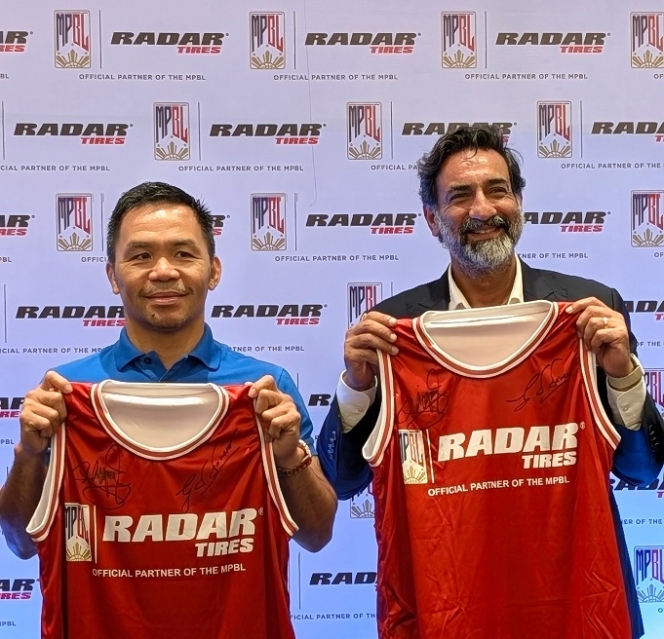
Radar Tires has secured a multi-year tie-up with the Maharlika Pilipinas Basketball League (MPBL), taking on the role of Official Partner. The signing took place in General Santos City, at the residence of MPBL founder and boxing great Emmanuel ‘Manny’ Pacquiao. Both organisations frame the deal around a shared belief that sport can redirect young lives and deliver lasting benefits to society.
Pacquiao launched the MPBL in 2018 to steer Filipino youth towards a positive path through basketball, one that cultivates character and opens doors. His own rise from modest roots informed a league built on the nation's basketball fervour, giving players from every province a stage to be seen and rewarded. Homegrown athletes now use the MPBL as a national showcase and a route to a livelihood, while the home-and-away schedule carries live games into provincial communities. Games air on free-to-air television, and Pacquiao describes the league as his way of repaying the society that raised him.
Radar Tires carries a similar outlook, with community give-back woven into its identity since inception. Across roughly 20 years, the brand has funded efforts including 15 years of backing for the Breast Cancer Research Foundation, support for emerging golfers via the Singapore Golf Association, and backing for athletes in tennis, off-road racing and other disciplines globally. Radar holds that financial limits should never block exceptional talent, and the MPBL deal puts that principle into practice in a basketball-loving nation.
The Philippines ranks among Radar's most important Asia-Pacific markets, and the company says Filipino drivers and dealers have responded warmly over the past decade. The tie-up opens with the rest of the Season 8 Playoffs and Finals before rolling into Season 9. As exclusive tyre sponsor, Radar receives full category exclusivity plus exposure across broadcast, livestream, digital and on-court channels. With 28 teams slated for roughly 400 games in 2027, the brand expects to reach neighbourhoods nationwide. The agreement joins Radar's wider global sports commitments, including Cricket South Africa, the Singapore Golf Association, the Texas Rangers, Michael Clarke and independent tennis and golf athletes.
Pacquiao said, "In basketball, just like in life, we go further when we move forward together. Through our partnership with Radar Tires, we share a common mission – to support Filipino talent, strengthen our communities and give our athletes the opportunity to chase their dreams. Because when we invest in sports, we invest in the future of our Filipino youth.”
G S Sareen, President and CEO, Omni United, said, "Giving back to the community has always been in our DNA. It is who we are at Radar Tires, and it is a commitment we have carried across every country we operate in. The Philippines holds a special place in our hearts. For over 17 years, Filipino drivers and dealers have welcomed our brand, and this partnership is our way of coming closer to them and the communities they call home. In the MPBL, we saw far more than a basketball league. Across eight seasons, Manny Pacquiao and his team have built something truly remarkable: a grassroots league that uplifts young Filipinos and their communities through sport, guides young people towards a positive path and gives rising talent the chance to be seen. Their mission reflects the very beliefs that guide us, and that shared purpose is what makes this partnership so meaningful. We have full faith in Manny Pacquiao's vision and in the MPBL's commitment to the next generation, and we are proud to stand alongside this exceptional league as it continues to grow."
Joe Ramos, Chief Executive Officer, MPBL, said, "The MPBL was built to bring basketball closer to Filipinos across the country. Partnerships like this help us continue that mission while creating more opportunities for our teams, players and communities. We welcome Radar Tires to the MPBL family and look forward to growing together.”
Emmer Oreta, MPBL Commissioner, said, "Radar Tires coming on board reflects the growing commercial appeal of the MPBL. Partnerships of this scale strengthen the league and create greater value for our fans and partners as we move toward Season 9.”
CEAT Flags Further Price Rises As Raw Material Inflation Erodes Margins
- By Sharad Matade
- October 27, 2026
India’s tyre maker reports record quarterly revenue but warns of weaker demand growth and rising input costs
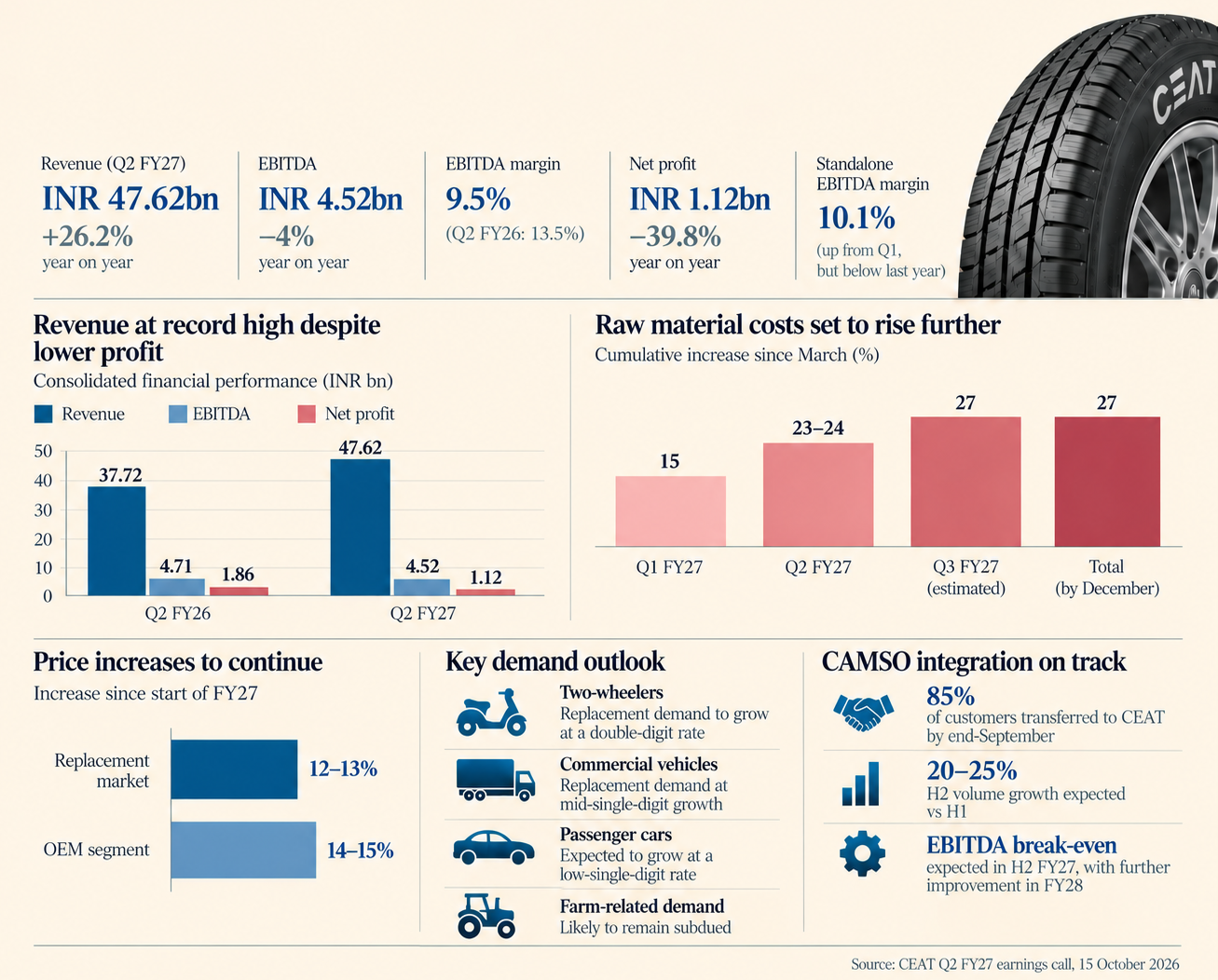
CEAT will raise tyre prices further in the coming quarter as surging raw material costs threaten to undermine profitability, even as strong demand helped the Indian manufacturer deliver record quarterly revenue.
The company expects raw material costs to rise by a further 3–3.5 percent in the three months to December, following increases of 8–9 percent in the previous quarter and about 15 percent in the first quarter of the financial year. The cumulative increase since the end of March is expected to reach about 27 percent by December, management said recently.
Arnab Banerjee, Managing Director And Chief Executive, said CEAT would continue to raise prices across product categories in the coming quarter to recover higher input costs. The company would also pursue further increases in international markets, where pricing adjustments have lagged those in India.
“We need price increase and we will go for price increase,” Banerjee told analysts on the company’s second-quarter earnings call.
Consolidated revenue rose 26.2 percent year on year to INR 47.62 billion in the three months to September, the highest quarterly figure in the company’s history. Volume growth contributed about 40 percent of the increase, with the remainder coming from higher prices and a shift towards more expensive products.
But consolidated earnings before interest, tax, depreciation and amortisation fell 4 percent from a year earlier to INR 4.52 billion, leaving an EBITDA margin of 9.5 percent, down from a year earlier despite improving sequentially. Net profit dropped to INR 1.12 billion from INR 1.86 billion.
CEAT’s standalone EBITDA margin improved to 10.1 percent from the previous quarter, but remained well below the level recorded a year earlier as higher raw material costs worked through the business.
Price rises face a test
CEAT has increased prices by about 12–13 percent in the replacement market since the start of the financial year, and by 14–15 percent for original equipment manufacturers, which supply tyres directly to vehicle makers. Further increases are planned throughout the third quarter, with export prices to be adjusted selectively according to local competition.
Banerjee said the company’s standalone gross margin was about 33.5–33.6 percent in the first half, against a preferred range of 41–42 percent. A further increase in raw material costs in the coming quarter would add to the pressure.
The timing of price rises matters. Chief Financial Officer Kumar Subbiah said there was typically a lag of about three months before increases were fully reflected in the company’s results, particularly in the original equipment segment.
Management expects margins to remain closer to current levels in the third quarter, provided planned price increases are implemented. It declined to offer a firm forecast before those adjustments had taken effect.
CEAT’s pricing strategy is complicated by the difference between domestic and international markets. Export demand has recovered, particularly in Africa and Latin America, but the company has been slower to pass on higher costs overseas because it competes with both premium European manufacturers and lower-priced Chinese brands.
CEAT positions its products at prices about 15–25 per cent below leading European brands. Banerjee said the company would pursue smaller, more frequent price increases in individual countries rather than attempt simultaneous increases across all markets. He added that the international business remained more profitable at both gross margin and EBITDA levels than the domestic business.
The pressure on margins has been compounded by rising freight costs and disruption to shipping schedules.
Crude oil, which averaged about USD 84–85 a barrel at the beginning of the second quarter, subsequently rose to around USD 100 and was hovering near USD 105 at the time of the call. Natural rubber prices on the Singapore Commodity Exchange climbed from about USD 2,200 a tonne to USD 2,600, while domestic prices reached approximately INR 285 a kilogram, a more than 20-year high, according to Subbiah.
CEAT imports roughly two-thirds of its natural rubber and buys the remainder locally. The narrowing gap between international and domestic prices has reduced the advantage of sourcing from overseas, while longer transit times have increased the need to hold imported inventory.
Two-wheelers provide a demand buffer
Demand has so far proved resilient to higher prices, with replacement sales benefiting from the continued strength of India’s two-wheeler market and rural consumption.
CEAT expects replacement demand for two-wheeler tyres to grow at a double-digit rate in the second half of the financial year. Commercial vehicle replacement demand is forecast to rise at a mid-single-digit pace, while passenger car tyres are expected to grow at a low-single-digit rate. Farm-related demand is likely to remain subdued.
The outlook is less buoyant than the recent growth figures suggest. Management warned that demand could moderate in the third quarter because of a higher base of comparison, the potential effects of El Niño and a recent increase in the Reserve Bank of India’s repo rate.
Original equipment demand remains strong across vehicle categories, although year-on-year growth may ease as the comparison becomes more demanding.
CEAT said replacement demand had not suffered a material slowdown despite the price rises. A slight moderation in volumes during the quarter was partly attributable to production bottlenecks in some categories in July and August, alongside normal seasonal weakness after the summer months.
The company also said dealer inventories were not unusually high, arguing that any significant stock build-up would have become apparent by now.
CAMSO integration offers longer-term growth
Beyond the immediate pressure on costs, CEAT is counting on the integration of CAMSO, its off-highway tyre business, to expand its international reach and improve earnings over the next two years.
About 85 percent of CAMSO’s customers had transferred to CEAT by the end of September, with the remainder expected to move across by the end of November. The business is generating customer billings of about $10mn a month, management said, with revenue recognised by CEAT expected to increase as the transfer is completed.
The next stage is the installation of upstream equipment at CAMSO’s Sri Lankan plant, giving CEAT control over more of the production process, from raw material procurement to customer servicing. The work remains broadly on schedule, although completion could slip from the end of the current financial year into the first quarter of the next.
CEAT expects CAMSO’s volumes in the second half to increase by 20–25 per cent compared with the first half. The business should approach break-even or turn EBITDA-positive during the second half of the current financial year, with margins improving further in 2027-28. Management expects the acquisition to become earnings-per-share accretive at group level by 2028-29.
The company has established local entities in the US, Canada, UK, France, Germany and Poland to serve customers directly rather than exporting from Sri Lanka. Utilisation at the Sri Lankan plant remains below 50 per cent, leaving room to increase production as the business expands.
The integration will require further investment. CEAT expects to spend an additional INR1 billion–INR 1.5 billion on CAMSO’s upstream equipment during the current financial year, on top of about INR 14 billion planned for standalone capital expenditure. A further USD 44 million acquisition-related payment is due around the end of August 2028.
Expansion
CEAT is investing in domestic manufacturing capacity at the same time as it absorbs CAMSO and manages higher working capital requirements.
The company spent INR 4.93 billion on standalone capital expenditure in the second quarter. This included more than INR 1.2 billion at its Nagpur plant to increase two-wheeler tyre capacity from 80,000 to 100,000 tyres a day, and about INR 2.8 billion at Chennai to expand truck and bus radial and passenger car tyre production.
Management said utilisation remained high in two-wheeler and truck and bus tyre categories, making the expansion necessary to meet expected demand.
International business accounted for about 20 per cent of standalone revenue and 24 per cent of consolidated revenue in the second quarter. CEAT wants to increase the international contribution to 33 per cent of total business within five years.
The company is also seeking to move upmarket. Sales of premium passenger car tyres, defined as those with rim sizes of 17 inches and above, grew at a mid-30s rate year to date. Its premium two-wheeler portfolio grew at a high mid-teens rate.
CEAT said it held a 25 percent share of the original equipment market for electric passenger cars and utility vehicles, and more than 30 percent in electric two-wheelers. It is also expanding the use of artificial intelligence in sales, manufacturing, finance and supply-chain management.

Comments (0)
ADD COMMENT