

Riding The Atmanirbhar Wave
- By Sharad Matade & Gaurav Nandi
- June 18, 2026
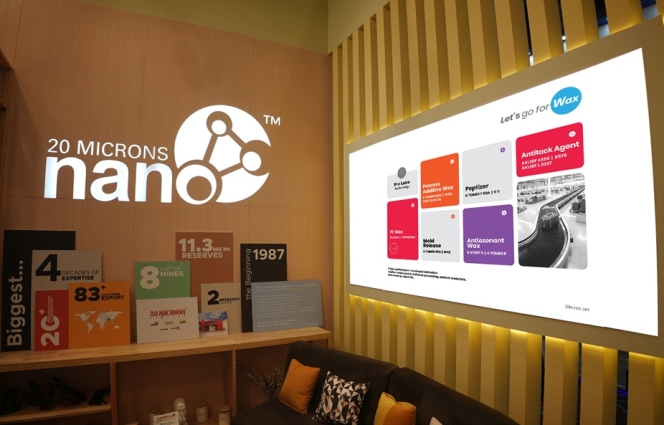
India’s Atmanirbharta push is reshaping the tyre industry as companies leverage domestic mineral resources and advanced processing technologies to reduce import dependence and strengthen global competitiveness. Players such as 20 Microns Limited are capitalising on this shift by developing value-added fillers that enhance tyre performance while lowering costs and emissions.
As radialisation, sustainability targets and export ambitions converge, indigenous innovation is increasingly being positioned not merely as import substitution but as a strategic lever for global market integration and long-term industry transformation.
India has witnessed a sharp rise in cross-manufacturing capabilities across industries over the past decade. Once heavily dependent on imports, the country is gradually positioning itself as a manufacturing and export hub. This transition has been accelerated by Prime Minister Narendra Modi’s call for Atmanirbharta (self-reliance).
The domestic tyre ecosystem is also benefiting from this momentum, with companies that have established strengths in adjacent sectors now entering the tyre value chain. Gujarat-based 20 Microns, a speciality chemicals company operating primarily in industrial minerals and performance additives for sectors such as tyres, rubber, plastics, Paints, paper etc., has emerged as a supplier to leading Indian tyre manufacturers including CEAT.
Speaking exclusively to Tyre Trends, K K Mishra, President – Product and Business Development at 20 Microns, said, “The shift from bias-ply to radial tyres opened up opportunities for players like us to enter the tyre industry.”
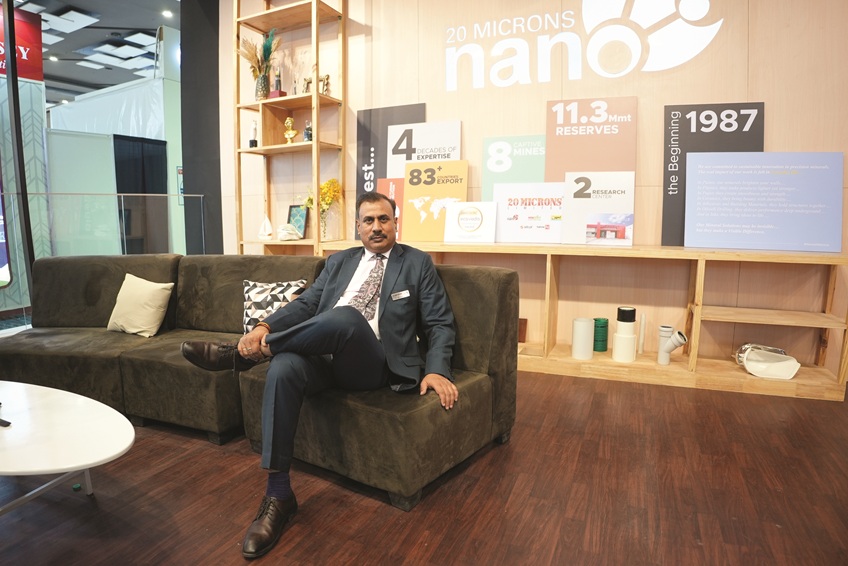
Before entering the tyre segment, the company catered to multiple industries. “We supply products for 78 different applications, so tyres were not initially a focus area for us. Our entry into the segment was largely driven by customer demand,” Mishra explained.
The company’s first offering to the tyre industry was magnesium oxide. However, tyre manufacturers were already using the material in limited quantities relative to their overall raw material consumption. While some experimented with alternative fillers, these solutions often failed to deliver significant value.
Mishra pointed out that India had traditionally exported large volumes of raw minerals such as China clay, talc, mica and other industrial minerals but lacked advanced grinding and processing capabilities. As a result, European companies imported these raw materials, converted them into high-value speciality products and exported them back to India at significantly higher prices.
Recognising this gap, 20 Microns began developing nano and value-added mineral-based products domestically.
“We registered 20 Microns Nano Minerals Limited in 2004, but commercial operations started in 2012. We introduced products gradually. Our first major offering was an anti-blocking agent, which was largely imported by petrochemical Complex. These agents are used in packaging films to prevent layers from sticking together,” Mishra said.
To manufacture the product, the company installed a delamination process capable of producing platy particles. Advanced machinery was imported from Germany, and the delaminated talc products were initially supplied to Reliance Industries.
Following this success, the company realised the same technology could be applied to other minerals.
“We introduced kaolin, which also has a platy structure. Using the same delamination process, we produced nano-sized, high-aspect-ratio particles without fracturing them,” he noted.
This development became particularly relevant as the tyre industry transitioned from bias-ply to radial tyres.
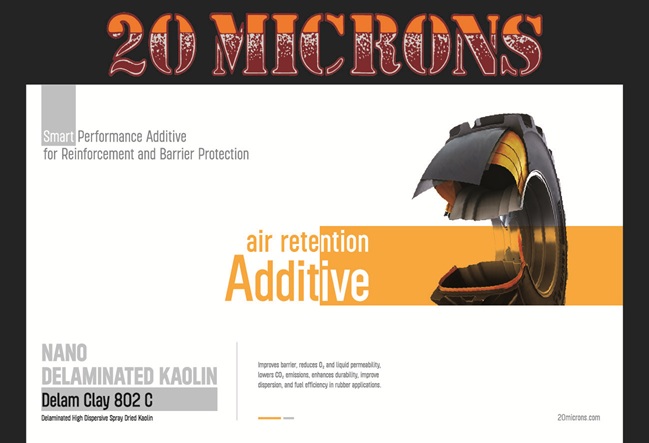
“Radial tyres require improved air retention and reduced permeability. Our delaminated nano kaolin enhances these properties. We developed a product in which each particle is separated layer by layer rather than mechanically crushed,” Mishra explained.
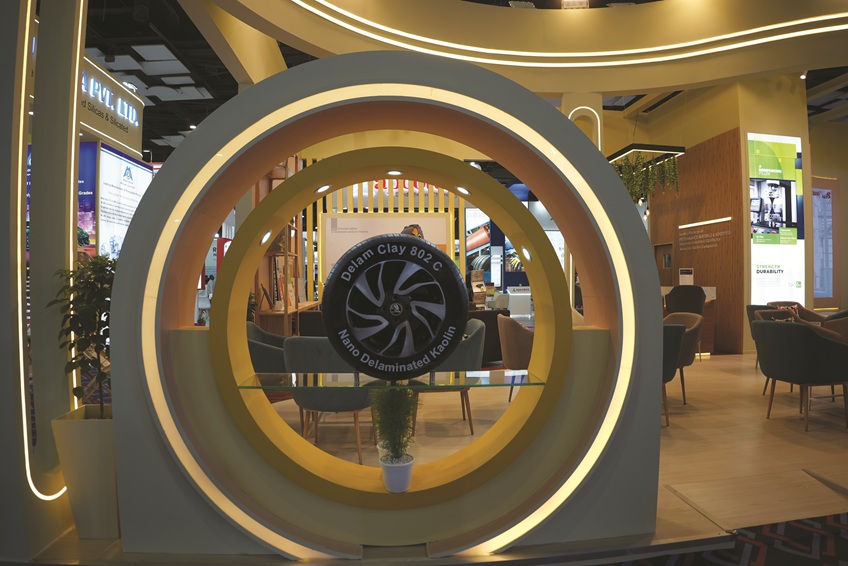
The company recognised that global tyre manufacturers such as Bridgestone were importing similar materials from suppliers like Imerys, encouraging it to approach Indian tyre makers.
“Our first engagement was with CEAT, where the product delivered encouraging results. This was largely due to the superior quality of Indian China clay. Following CEAT’s success, we approached JK Tyre and Apollo Tyres. After two to three years of trials and validation, our product was approved and commercial supplies began,” Mishra said.
The company is now in discussions with Bridgestone, which currently imports these materials, and securing a position in its supply chain would mark a significant milestone.
MARKET OPPORTUNITY
India’s tyre industry is expanding rapidly. While the domestic market includes several major tyre manufacturers, the global supply side for speciality minerals remains concentrated among a few multinational players such as Imerys and Thiele. 20 Microns sees this as an opportunity to position itself as a global supplier.
“After establishing ourselves in India, we have started approaching international tyre manufacturers such as Pirelli and Iris Tyres, where approvals are currently underway. Globally, the transition towards radial and tubeless tyres is driving demand for such materials,” Mishra stated.
The company claims its products help reduce costs, provide reinforcement and partially replace carbon black while also supporting sustainability objectives.
Compared to carbon black or silica, the company’s product reportedly generates only around five percent of the associated carbon emissions, resulting in nearly 95 percent lower carbon output.
Additionally, the company operates its own mining facilities, where land restoration and environmental compliance form part of the extraction process.
“Around 15 percent of carbon black in tyres can be replaced with our product. Simultaneously, air impermeability improves by approximately 13–15 percent. Typical loading levels are around 15–20 percent. This means tyre manufacturers achieve carbon black replacement along with some reduction in rubber usage because improved air impermeability allows lower rubber consumption,” Mishra explained.
Beyond large tyre makers, the company is now targeting smaller manufacturers as well. Producers of two-wheeler and three-wheeler tyres have already begun adopting these solutions.
According to Mishra, several manufacturers have also expressed strong interest, with collaborative research and development activities underway to accelerate adoption.
However, he acknowledged that large-scale application in commercial vehicle tyres, where carbon black usage is significantly higher, will take time.
“Tyres are directly linked to safety, so manufacturers are understandably cautious. There is initial scepticism regarding whether replacing carbon black or introducing China clay-based fillers could affect mechanical performance. However, as successful implementation in passenger car radial tyres becomes more visible, adoption is expected to expand into commercial tyres as well,” he said.
STRENGTHENING THE SUPPLY CHAIN
Exports currently contribute around 18 percent of the company’s total revenue, with supplies reaching 86 countries across Europe and the Americas. Mishra expects demand for delaminated products to grow three to four times over the next three to four years.
The company operates mine-site plants for kaolin, while its primary facility is located in Bhuj, Gujarat, where mining operations span 168 hectares. One mine is operational, while another is awaiting environmental clearance.
Its facilities employ advanced technologies, including cryogenic magnetic separation systems, to remove paramagnetic and ferromagnetic impurities. The kaolin slurry is processed through specialised systems to produce ultra-pure material, ensuring high-quality output.
“Indian kaolin deposits naturally offer high aspect ratios and superior platy structures. This enables two major applications. First, delaminated kaolin improves permeability and reinforcement in tyres. Second, when calcined at 1200–1,400 degrees Celsius, it can partially replace titanium dioxide, especially in paints and plastics. While this market is smaller than tyres, it still offers considerable potential,” Mishra noted.
According to the company, competition in this niche segment remains limited globally, with only a handful of manufacturers producing such specialised materials. While China competes aggressively in standard grades, the delaminated segment continues to remain relatively niche.
Sustainability has become a key focus area, as the products are derived from naturally occurring minerals that require mining and processing, yet still offer a significantly lower carbon footprint.
The company’s long-term objective is to increase the share of mineral-based fillers in tyre formulations.
“Three additional products are currently under development, including amorphous silica from diatomaceous earth and nano silicates as green tyre fillers. Delaminated talc, already supplied as an anti-blocking agent for petrochemical applications, is also being positioned by some European players as a partial carbon black substitute,” Mishra revealed.
The company recently invested INR 1 billion, fully funded through internal accruals, towards expansion. It currently operates nine plants in India along with facilities in Malaysia and Vietnam
Delaminated production capacity, currently at 400 tonnes and fully utilised by three tyre customers, is being expanded to 1,000 tonnes in response to strong global demand.
Capacity expansion is also underway in the petrochemical segment to cater to rising demand for anti-blocking agents. The company has acquired mineral assets and land in Anantapur for a talc and dolomite plant serving both tyre and non-tyre sectors, while calcium carbonate operations are being expanded in Makrana.
Expansion of the Malaysian subsidiary is expected to be funded through debt and private equity following mining asset acquisitions.
GLOBAL AMBITIONS AND FUTURE CHALLENGES
Export opportunities remain a key focus, particularly in Europe and other global markets.
“Our strategy is to first establish a strong domestic base and then expand globally through direct engagement with international manufacturers as well as distributor networks. The overseas expansion of Indian tyre companies is also creating opportunities, as approved supplier bases are being extended internationally,” Mishra said.
At the international level, concerns persist regarding the impact of replacing carbon black with China clay-based fillers on mechanical performance. However, awareness of similar global products already exists, and the company believes its 50–60 percent cost advantage could support gradual adoption despite lengthy validation cycles.
In the electric vehicle tyre segment, progress has so far been limited. Nevertheless, mineral-based fillers are recognised for offering improved flame-retardant properties, which could create future opportunities.
“Traditionally, adoption cycles in the tyre industry have been lengthy, typically taking around three years from laboratory testing to commercialisation. However, this approach is evolving following the Paris Agreement, with sustainability and circular economy goals driving greater openness towards green tyres. Artificial intelligence is also being leveraged to accelerate innovation, enhance testing and improve supply chain efficiency,” Mishra observed.
At the same time, challenges remain. The company also highlighted how readily mineral-based innovations can be replicated, leading to intensifying competition in the value-added minerals segment, where fillers are increasingly positioned as performance enhancers. While India continues to hold strength in China clay, talc, mica resources, and continues to export aggressively, imports of calcium carbonate from countries such as Malaysia, Vietnam and Egypt are also increasing.
Even as the Atmanirbharta wave drives innovation and global ambition, challenges related to validation cycles, performance concerns and rising competition persist. The ability to scale sustainably, protect innovation and build global trust will determine whether India’s mineral-based solutions evolve from cost-efficient alternatives into indispensable components of next-generation tyre manufacturing.
Tegeta Green Planet Brings Waste Collection Campaign To Zugdidi
- By TT News
- September 22, 2026
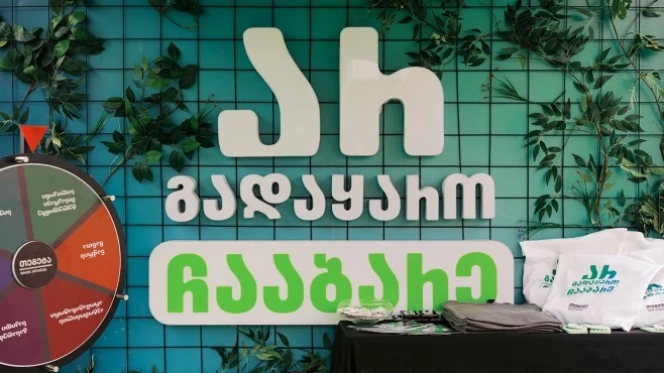
Tegeta Green Planet organised an informational and practical campaign titled ‘Don’t Throw It Away, Hand It In’ in Zugdidi to foster environmental responsibility and encourage proper management of specific waste streams. The initiative sought to educate local residents, vehicle owners, drivers and private sector representatives while boosting their participation in responsible disposal practices.
A dedicated collection point was established on 15 September in Zugdidi, where community members could dispose of end-of-life tyres, used batteries and waste oils. Throughout the event, attendees learned about the safe and proper handling of used automotive waste and the various options available for submitting such materials.
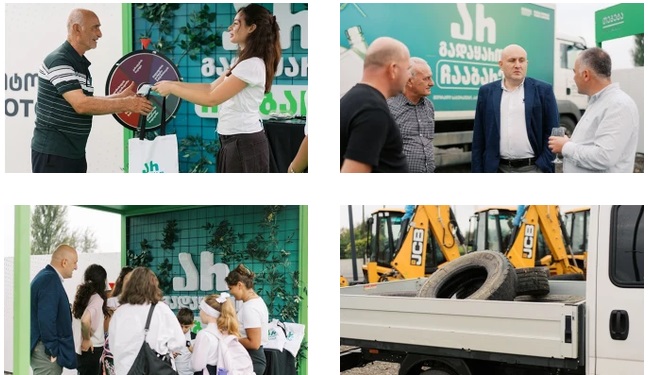
A central component of the campaign involved raising awareness about Extended Producer Responsibility (EPR) principles. Participants gained insight into what EPR entails, the function of an EPR organisation in managing specific waste, how collected materials are subsequently processed and why importers must meet their legal obligations by joining an authorised EPR organisation. Symbolic gifts were distributed to encourage public involvement in the collection process.
The event enhanced Tegeta Green Planet’s regional visibility and created opportunities to recruit new importer members. Operating since 2022, the organisation is among the first in Georgia to receive authorisation from the Ministry of Environmental Protection and Agriculture under the EPR framework. It continues implementing regional campaigns and educational projects across Georgia to promote responsible waste management, strengthen infrastructure and advance circular economy principles.
Vittoria Extends UEC Partnership Through 2030
- By TT News
- September 22, 2026

Italian bicycle tyre manufacturer Vittoria has extended its partnership with the Union Européenne de Cyclisme (UEC) for another five years, carrying the collaboration through 31 December 2030. The renewed agreement confirms Vittoria as the UEC Official Supplier, building on a relationship that has deepened through a shared dedication to European cycling development, from backing athletes and National Federations to elevating the sport at its highest competitive levels.
The multi-discipline partnership spans Road, Gravel, Mountain Bike, Cyclo-cross, Track and BMX Racing, mirroring modern cycling’s diversity. It connects Vittoria with riders pursuing European titles across various categories and generations while both organisations pursue a common vision of cycling as a unifying force that brings together people, countries and generations.
Beyond competition, the two organisations are committed to developing cycling, promoting sporting excellence and inclusivity and growing the sport across disciplines and throughout Europe. The UEC works closely with Europe’s National Cycling Federations to strengthen continental cooperation, while Vittoria supports athletes and the cycling community from grassroots through the elite level.
Under the renewed agreement, Vittoria Servizio Corse, the company’s neutral technical assistance service, will continue supporting athletes at the UEC Road European Championships. Experienced technicians and dedicated race-support vehicles will assist riders in Road Races, Individual Time Trials and Team Time Trials (Mixed Relay) across Elite, Under 23 and Junior categories, regardless of team or equipment, helping them rejoin the race swiftly after technical issues – reflecting the partnership’s core principle of standing close to athletes with concrete support.
Stijn Vriends, Chairman & CEO, Vittoria, said, “We are extremely proud to extend our partnership with the Union Européenne de Cyclisme for another five years. Our relationship has grown stronger over time because it goes beyond visibility at major events: it is built on a shared commitment to the development of cycling and to supporting the people who make this sport possible. Being alongside UEC across all these disciplines, and providing direct support to athletes, gives us the opportunity to make a concrete contribution to the sport and its future.”
Enrico Della Casa, President, Union Européenne de Cyclisme, said, “Vittoria represents excellence in the international cycling landscape, and we are delighted to renew a partnership that has grown stronger over the years. Having such a prestigious and widely recognised brand alongside the Union Européenne de Cyclisme brings tangible added value to our activities, across all disciplines and throughout our events. Vittoria is also a valuable partner in the solidarity initiatives promoted by the UEC in support of National Federations, making a concrete contribution to projects that go beyond the purely sporting dimension and fully reflect the values of cooperation and mutual support on which European cycling is built. This renewal therefore confirms a shared vision based on quality, innovation and a common commitment to supporting the growth of our sport at every level. I would like to sincerely thank Vittoria CEO Stijn Vriends and his entire team for the continued trust they place in the UEC and for their ongoing support of European cycling. We are proud to continue this journey together.”
Pirelli, Arma dei Carabinieri Sign Deal To Test Cyber Tyre On Rome Radiomobile Unit
- By TT News
- September 22, 2026

Pirelli has signed a Memorandum of Understanding with the General Headquarters of the Arma dei Carabinieri to trial its Cyber Tyre technology on selected vehicles from the Rome Radiomobile Unit. The collaboration aims to monitor the capital's road infrastructure, identify potential risks and improve road safety.
The trial begins with the Pirelli system installed on five Alfa Romeo Tonale vehicles used for territorial control and emergency response. Sensors embedded in the tyres, proprietary algorithms and computer vision and artificial intelligence tools will gather and analyse road network data, enabling prompt identification of hazards.
Tyre-derived data will be combined with information from on-board cameras and processed using artificial intelligence algorithms developed by technology partner Univrses. The integrated approach will detect road surface or signage anomalies, helping build a continuously updated map of road conditions. The system operates automatically, requiring no action from operators. Cyber Tyre has previously been deployed with Movyon, part of the Autostrade per l'Italia group, and with the Region of Apulia.
At the signing, Arma dei Carabinieri Commander General Lt. Gen. Salvatore Luongo emphasised the organisation's commitment to innovation, calling the agreement a technological step consistent with its vision of cultural renewal. Pirelli's Cyber Tyre transforms the tyre into an intelligent device. An internal sensor collects information, processed by Pirelli software and transmitted in real time. It supports ABS, ESP and traction control while enabling road network health maps for maintenance planning.
Marco Tronchetti Provera, Executive Chairman of Pirelli, said, "We are very pleased with this collaboration with the Arma dei Carabinieri. The Cyber Tyre system is capable of operating seamlessly even on tyres subjected to continuous strain and heavy stress, such as those used by the Radiomobile Unit's vehicles. This partnership, alongside those already established with public entities and automakers, demonstrates the robustness of our technology and its strategic importance in the development of connected and intelligent mobility.”
ZC Rubber Displays Mining Tyre Portfolio At Mining Indonesia 2026
- By TT News
- September 21, 2026
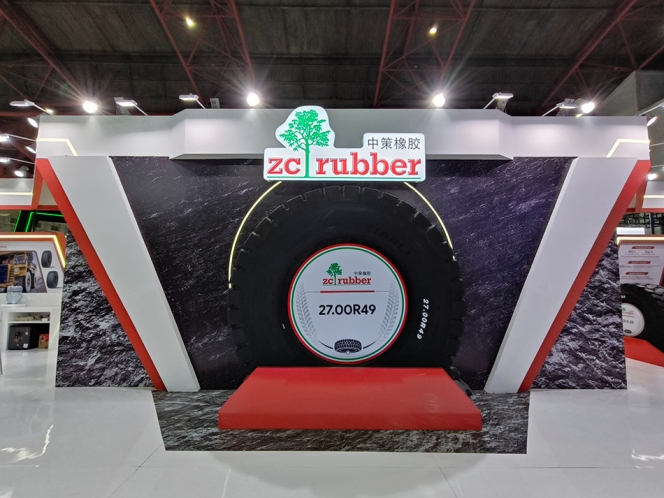
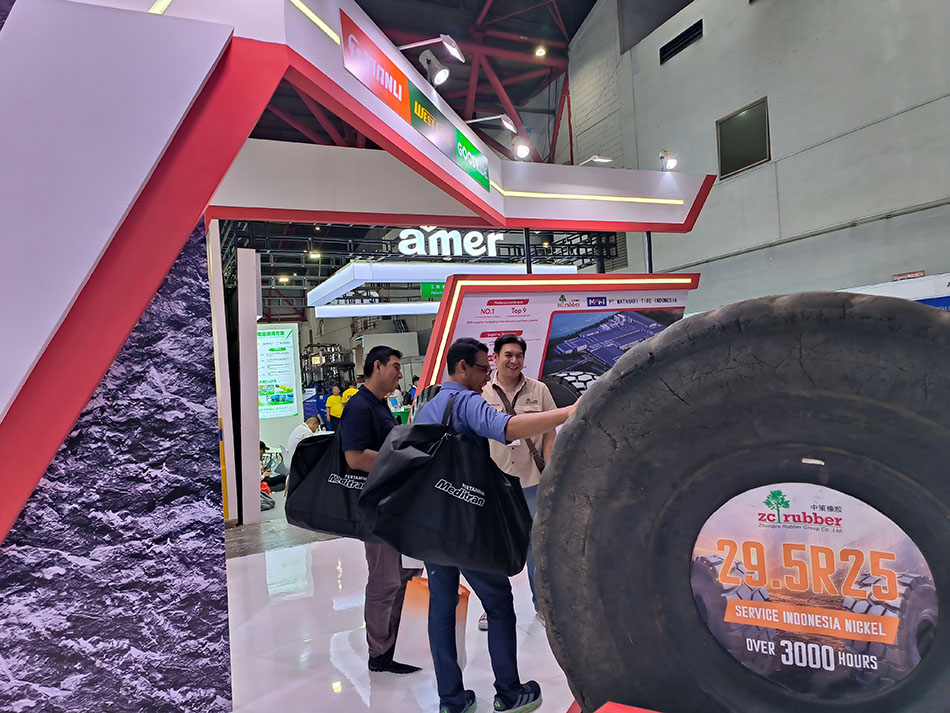
ZC Rubber showcased an extensive range of mining tyre solutions at the recently concluded Mining Indonesia 2026, highlighting key sizes such as 27.00R49, 24.00R35, 29.5R25 and 12.00R24 across its brand portfolio. The display featured over 10 specialised products designed for rigid dump trucks, articulated dump trucks, wide-body mining dump trucks and haulage trucks used in surface mines, underground operations and transportation.
The company’s decades of mining sector experience, product quality reputation and deep understanding of diverse equipment and harsh operating conditions drew significant attention from industry professionals throughout the exhibition. A standout exhibit was a field-proven 29.5R25 TUL400 tyre, its tread nearly worn smooth after extensive service on an articulated dump truck at an Indonesian nickel mine. It had accumulated over 3,000 operating hours without any quality-related issues, with the mine operator reporting field performance comparable to leading international brands.
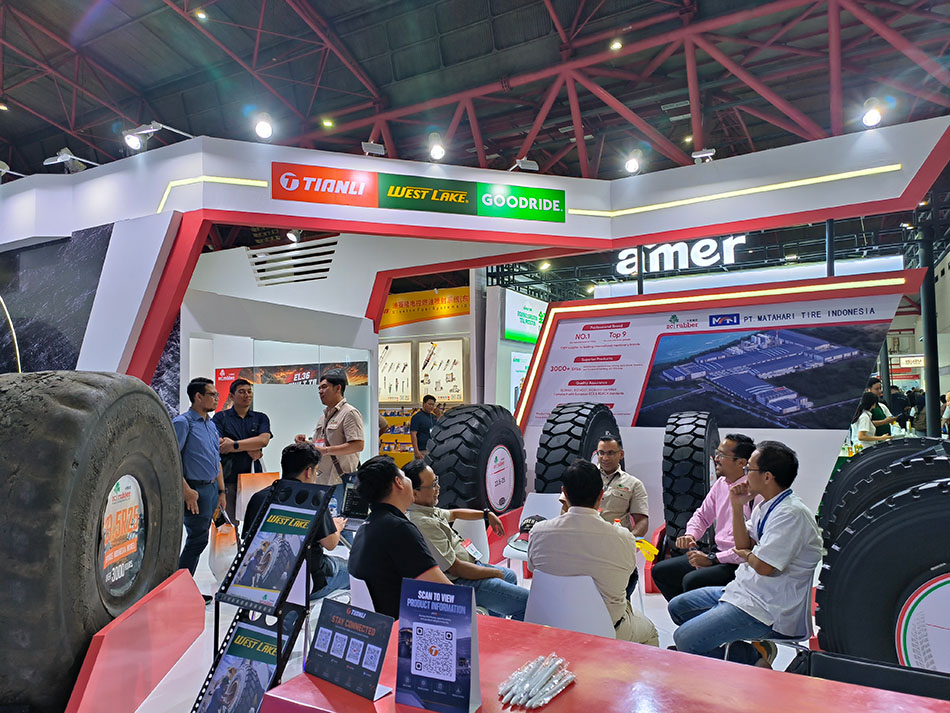
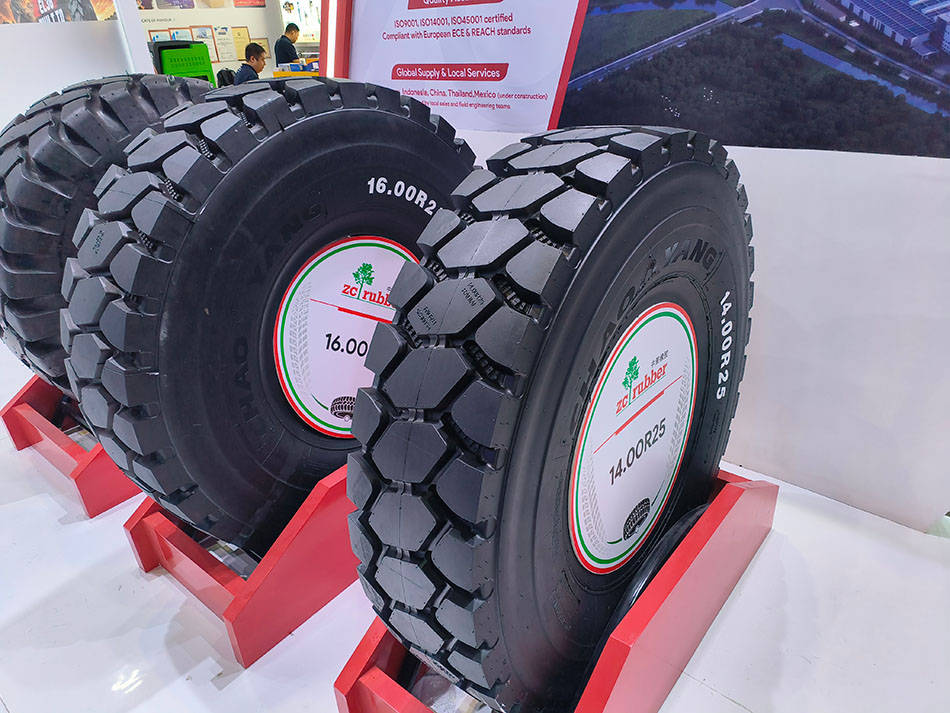
The booth also presented 14.00R25, 16.00R25 and 23.5-25 TBR and loader tyres produced by MTI, ZC Rubber’s Indonesian subsidiary. This growing range of locally manufactured products underscores the company’s ongoing localization efforts and its capacity to serve regional markets more efficiently.
As ZC Rubber continues expanding global production capabilities, it will further reinforce its speciality tyre portfolio and uphold rigorous quality standards to better serve customers worldwide. Through sustained innovation and international collaboration, the company remains dedicated to providing reliable, one-stop specialty tyre solutions for demanding applications.

Comments (0)
ADD COMMENT