

- Tyre and Rubber Recyclers Association of India
- Chetan Joshi
- tyre recycling
- recovered carbon black
- Suhas Dixit
- Apchemi
India’s Tyre Recycling Industry Faces Margin Squeeze Amid Export Slump
- By Gaurav Nandi
- June 30, 2026
India’s tyre recycling industry is entering a painful consolidation phase as weakening export demand, oversupply of waste tyres and worsening shipping disruptions erode profitability across the value chain. While domestic consumption continues to provide partial support, falling realisations and rising logistics costs are squeezing processors of crumb rubber, reclaimed rubber, pyrolysis oil and recovered carbon black.
India’s tyre recycling industry is entering a period of consolidation as weakening export demand, oversupply of waste tyres and mounting shipping disruptions compress margins, even as long-term demand for sustainable materials continues to strengthen.
While volumes remained broadly stable during the March quarter, profitability deteriorated sharply across much of the sector as realisations fell in both domestic and overseas markets and logistics-related costs climbed, said Tyre and Rubber Recyclers Association of India President Chetan Joshi.
“Volumes were largely stable for most of us, but margins definitely came under pressure,” Joshi said. “Realisations dropped, especially in domestic and export markets, while logistics costs and delays increased. Domestic sales supported to some extent, but overall, it was more of a margin squeeze quarter than a volume issue.”
The industry is also facing a supply-demand imbalance in waste tyres driven by slowing exports of recycled products and softer downstream demand caused partly by elevated prices of finished recycled materials.
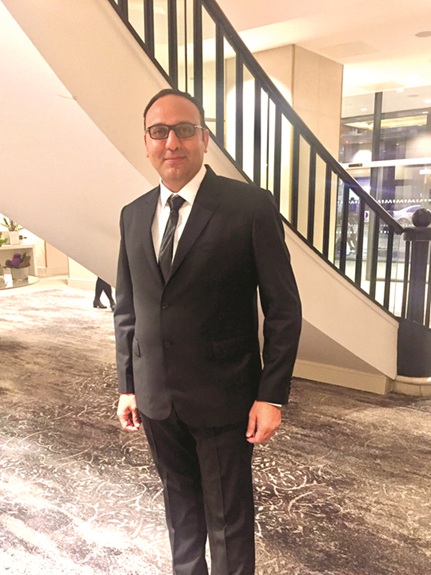 “There is oversupply due to low demand because finished product prices are high and exports of finished recycled products have slowed down,” Joshi said. “That is putting pressure on waste tyre pricing and also on end-product prices.”
The pricing pressure is now cascading across the recycling chain, affecting processors of crumb rubber, reclaimed rubber, pyrolysis oil and recovered carbon black (rCB), which are widely used by tyre makers, rubber goods manufacturers and industrial consumers.
However, Joshi said not all segments are under equal stress. Better-quality feedstock and certified recycled materials continue to command stronger pricing and more resilient demand despite broader weakness in commodity-grade products.
“Good quality and properly segregated material are still holding value better,” he said.
India has emerged as one of the world’s largest recycling hubs for end-of-life tyres because of its large vehicle parc, abundant feedstock availability and relatively low-cost processing ecosystem.
Domestic demand for recycled rubber materials has also expanded steadily in recent years as sustainability targets gain traction among tyre makers and industrial manufacturers.
According to Joshi, domestic consumption has helped cushion the sector from the ongoing export slowdown, though it remains insufficient to fully compensate for weakening overseas demand.
“India has strong domestic consumption in crumb rubber, reclaim, pyrolysis oil and rCB, so it does give some cushion,” he said. “But honestly, domestic demand alone cannot fully replace export markets, at least in the short term. We still need healthy exports to balance the ecosystem.”
Exporters are simultaneously grappling with worsening shipping disruptions that have increased operational uncertainty across several key overseas markets.
“Shipping has become unpredictable,” Joshi said. “Transit times are longer, freight and insurance costs have increased and planning exports has become difficult.”
He added that Europe, UK, the Gulf Cooperation Council region and parts of Africa are among the most affected markets because of freight-related disruptions and sluggish demand conditions.
“Even when orders are there, execution becomes a challenge,” he said.
The impact has been particularly severe for lower-value recycled products where freight costs form a larger share of overall realisations. Higher-quality and certified materials, however, have remained comparatively stable.
“Lower-value products are affected more, while higher-quality and certified materials are relatively stable,” Joshi said.
Despite near-term pressures, the long-term demand trajectory for recycled tyre-derived materials remains positive as global tyre manufacturers accelerate sustainability initiatives and seek alternatives to increasingly expensive virgin raw materials.
“The long-term trend is very clear and recycled materials are gaining,” Joshi said. “With higher natural rubber prices and sustainability targets of tyre companies, demand for reclaimed rubber, micronised powder and rCB will increase.”
At the same time, he noted that buyers are becoming significantly more selective, shifting purchasing decisions beyond price considerations towards quality consistency, certification and compliance standards.
UNIT ECONOMICS
The tyre pyrolysis industry is witnessing a sharp improvement in margins and investment sentiment as geo-political tensions in the Middle East push up crude-linked fuel prices, creating stronger demand for tyre-derived pyrolysis oil, according to Apchemi Chief Executive Officer Suhas Dixit.
The recent conflict involving Iran has emerged as the single biggest factor influencing the sector’s performance, triggering steep price increases for tyre pyrolysis oil (TPO) and reviving expansion plans across the industry after years of compressed profitability.
Tyre pyrolysis oil prices in India have climbed dramatically in recent months, rising from about INR 35–40 per kilogramme to nearly INR 60 per kilogramme, according to Dixit, reflecting stronger demand and tighter energy market conditions linked to higher crude oil prices.
Dixit said the price increase has fuelled fresh enthusiasm among investors and operators looking to expand existing facilities or establish new projects.
The company, which positions itself as a global technology and engineering player rather than a purely domestic recycler, said overseas demand remains robust despite continuing disruptions in international shipping and trade routes.
While the conflict in the Middle East and shipping disruptions around key trade routes such as the Strait of Hormuz have raised concerns about freight costs and export uncertainty for many Indian recyclers, Dixit said Apchemi remains relatively insulated because of its global operating model.
The company is currently executing multiple large-scale international projects including three 150-tonne-per-day tyre pyrolysis facilities for clients in developed markets, according to Dixit.
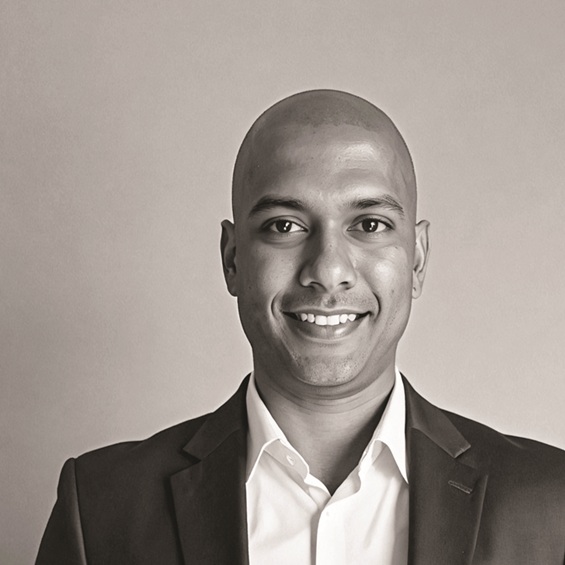
Even so, Dixit acknowledged that the industry remains exposed to broader geo-political uncertainty, particularly because energy prices and shipping costs directly influence the economics of pyrolysis-derived fuels.
At the same time, he believes the current environment is creating a rare opportunity for operators to strengthen profitability after years of weak returns.
On the other hand, reclaim rubber manufacturers seem to be facing renewed uncertainty as rising raw material costs linked to geo-political tensions continue to pressure pricing and destabilise downstream demand.
“Market is a little scary right now,” said a Gujarat-based crumb rubber manufacturer. The spokesperson attributed the instability largely to the ongoing tensions in the Middle East, which have triggered higher costs across the raw material chain and pushed up prices for finished reclaim rubber products.
“Reclaim rubber manufacturers are particularly vulnerable to swings in raw material pricing because margins in the segment are often thin and highly sensitive to changes in energy, logistics and waste tyre procurement costs,” he noted.
Despite the ongoing volatility, he indicated that the broader market trajectory for the current fiscal year is unlikely to differ significantly from the previous year, suggesting that industry participants may continue to operate in a challenging but manageable environment.
PULLING THROUGH
Joshi said India continues to enjoy structural advantages because of its scale and feedstock availability but warned that the industry could lose competitiveness if it fails to improve quality consistency and formalisation.
He added that the next growth cycle in tyre recycling is likely to favour companies investing in compliance, process control, certification and value-added products rather than those competing purely on trading volumes and low-cost exports.
“The opportunity is huge, but discipline in the industry will decide who benefits,” Joshi said.
Looking ahead to FY27, Joshi expects margin recovery to remain uneven across the industry with larger and technologically stronger companies likely to outperform smaller operators focused on low-margin export trading.
For India’s recycling industry, the current downturn may ultimately accelerate a broader structural transition already underway from volume-led commodity processing towards a more formalised, quality-focused and sustainability-driven circular materials ecosystem.
Grismer Tire & Auto Service Appoints New CEO And CFO
- By TT News
- September 28, 2026
Grismer Tire & Auto Service, a tyre and automotive service centre operator backed by CenterOak Partners LLC, has named Chris Blanchette as Chief Executive Officer and Mark Hedstrom as Chief Financial Officer. The announcement marks a significant leadership transition for the portfolio company.
Blanchette arrives with over two decades of senior leadership experience in multi-site consumer services, specialising in operations, strategy and business development. He most recently served as Chief Executive Officer of Service Minds, a residential electrical, plumbing and HVAC services provider. His background also includes serving as Chief Operating Officer of QAS, which operates Valvoline Instant Oil Change locations, along with senior operational positions at Advance Auto Parts, Bridgestone Retail Operations and Best Buy.
Hedstrom brings more than three decades of finance expertise to his new role. He previously held the Chief Financial Officer position at W.S. Connelly & Co., a multi-regional specialty distributor, and has also served as Chief Financial Officer for several private equity-backed consumer and distribution companies.
Eric Holter, Managing Director, CenterOak, said, “Chris Blanchette brings highly relevant leadership experience in the automotive aftermarket. He has led complex, multi-location organisations and understands how to translate operational discipline into sustainable growth. Together, Chris and Mark add important depth to Grismer’s leadership team as the Company pursues expansion in existing and new markets.”
Blanchette said, “Grismer’s 90-year history and the trust it has earned with customers set the Company apart. I am excited to join a business with such a strong legacy and see significant
- International Rubber Conference
- Society Of Rubber Science And Technology Japan
- James Busfield
- Nobuyuki Tamura
- Bridgestone Corporation
- Japan Rubber Manufacturers Association
- Aichi International Exhibition Center
- Aichi Sky Expo
Japan To Host International Rubber Conference After Decade-Long Gap
- By TT News
- September 25, 2026
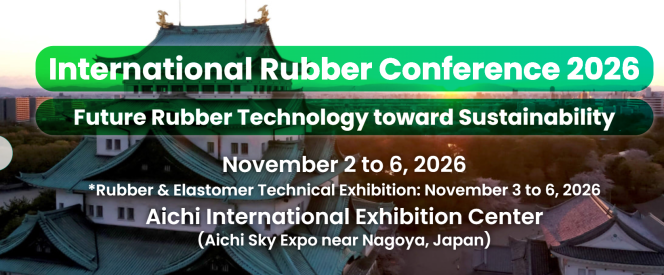
The International Rubber Conference (IRC) will return to Japan in November for the first time in a decade, with more than 271 technical presentations and over 117 exhibitors expected to take part.
The event, known as IRC 2026 Aichi, will be hosted by the Society of Rubber Science and Technology, Japan, alongside the Rubber & Elastomer Technical Exhibition in Aichi. It is scheduled to run from 2nd to 6th November, with the exhibition opening a day later and continuing until 6th November .
Held at the Aichi International Exhibition Center, also known as Aichi Sky Expo, the venue is located near Chubu Centrair International Airport and can be reached from Nagoya Station in about 28 minutes by train.
The conference programme will feature more than 271 presentations spanning rubber science, technology and industrial applications. Participants include James Busfield of Queen Mary University of London and Nobuyuki Tamura of Bridgestone Corporation, who also chairs the Japan Rubber Manufacturers Association. More than 400 delegates have already registered.
Running alongside the conference, the Rubber & Elastomer Technical Exhibition will host more than 117 exhibitors, ranging from raw material suppliers and machinery manufacturers to tyre makers and testing-equipment providers. The exhibition will be open to visitors free of charge.
The International Rubber Conference, first held in 1966, rotates annually across global host cities. The last event in Japan took place in Kitakyushu in 2016, with subsequent editions held in Haikou, Istanbul and Bangkok.
Pirelli Board Approves EUR 1 Billion US Investment Plan And Organisational Restructuring
- By TT News
- September 23, 2026
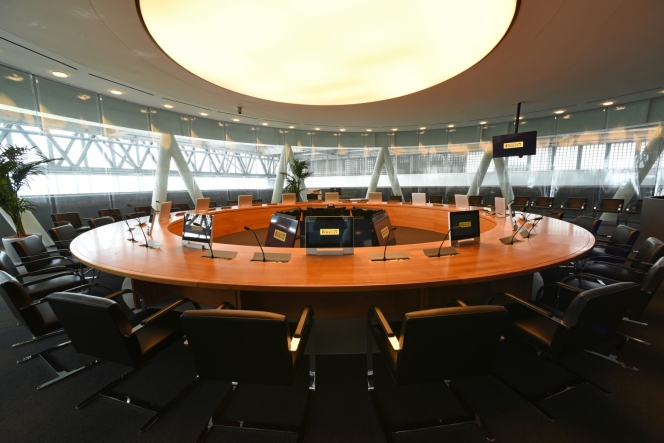
Italian tyre major Pirelli has announced a multi-year investment plan worth approximately EUR 1 billion (USD 1.2 billion) to expand its manufacturing facility in Rome, Georgia in the United States. The motion passed by majority vote, with board members Zhang Haitao, Xi Xiaohong and Wang Kun voting against the proposal.
The capital expenditure program, scheduled to begin in 2027 and will go through 2033, aims to expand annual production capacity at the Georgia site to six million tyres and create approximately 1,000 jobs.
The United States represents the largest market for high-value tyres globally, accounting for roughly 40 percent of global volumes. The project will be carried out in two phases without altering Pirelli's financial targets for 2026.
Phase one of the expansion will introduce modular robotised production systems based on Pirelli's Modular Integrated Robotised System technology, scaling annual output to three million tyres starting in 2028.
In phase two, the company will begin construction of an automated production facility to add three million units of annual capacity. The expanded plant will produce connected tyre systems, including Cyber Tyre technology, following market authorisation granted by the US Bureau of Industry and Security under Italy’s 2026 Golden Power Decree.
Alongside the investment decision, the board approved an organisational restructuring resulting in the immediate elimination of the Corporate General Management function. As part of the changes, Corporate General Manager Francesco Tanzi will step down from his executive role, maintaining an employment relationship through 31 December 2026 to facilitate the leadership transition.
Under the terms approved by the board and the Remuneration Committee, Tanzi will receive a severance payment equivalent to 13 months’ remuneration, payable by February 2027, alongside accrued rights under existing short-term and long-term incentive plans. He has agreed to a two-year non-compete covenant covering Pirelli's primary operating regions in exchange for 130 percent of his gross annual salary, paid in eight quarterly instalments. Following the end of his employment, Tanzi will provide advisory services under a two-year consultancy contract with an annual fee of EUR 350,000, plus non-monetary benefits valued at EUR 45,000.
Bridgestone Appoints Stefano Sanchini As President Of Europe Sales
- By TT News
- September 19, 2026
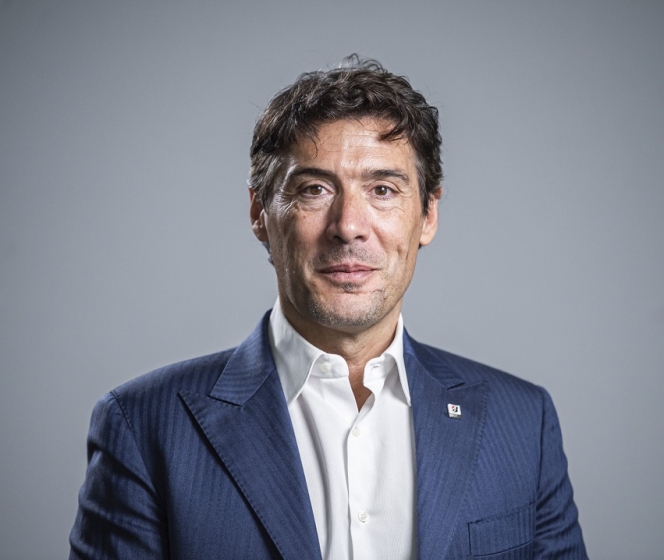
Bridgestone has announced a European leadership appointment aimed at sharpening customer focus, streamlining engagement across product groups and supporting its ongoing growth plans. Stefano Sanchini will become President, Europe Sales, effective 1 October 2026, leading the company’s European sales organisation across both Consumer and Commercial segments.
The expanded role unites sales activities spanning passenger car, truck and bus, agriculture, off-the-road, motorcycle and original equipment. Sanchini brings over 20 years of international leadership experience in the automotive and tyre sectors, with a career covering Europe, Middle East, Africa and India. Since joining Bridgestone in 2017, he has held several senior positions, including Managing Director of Bridgestone India.
Most recently, as Vice President for Consumer Replacement in Europe, he helped strengthen customer engagement, commercial performance, profitability and regional market growth. Bridgestone said the appointment underscores its commitment to customer relationships, commercial execution and simpler cross-market operations. Sanchini will pursue sustainable growth while developing capabilities and partnerships supporting the company’s long-term European strategy.
Mete Ekin, Group President EMEA, said, "Our customers increasingly operate across multiple product categories and expect a consistent experience wherever they engage with Bridgestone. By bringing our sales activities together under one European structure, we are creating a simpler, more connected organisation that will help us respond faster, collaborate more effectively and continue building strong partnerships with our customers."


Comments (0)
ADD COMMENT