

- Rubbercon 2024
- P K Mohamed
- Apollo Tyres
- Charles Goodyear
- Hancock Medal
- R Mukhopadhyay
- Indian Rubber Institute
- IRI
- Dr Tessy Thomas
- Dr Raghupati Singhania
Rubbercon 2024: Pioneering Sustainability In The Rubber Industry
- By Nilesh Wadhwa
- March 07, 2025
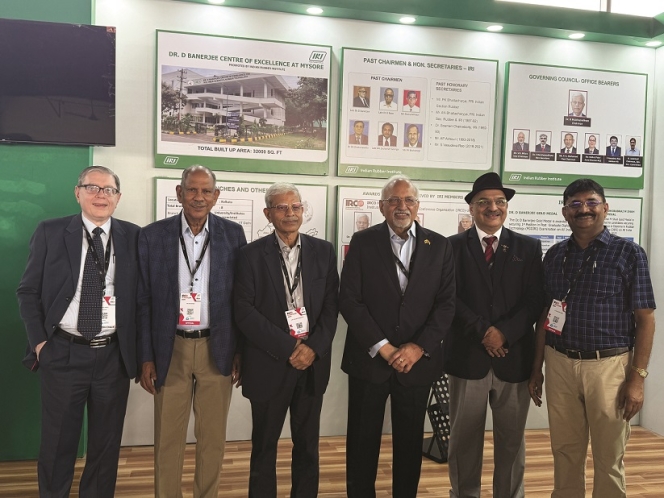
Rubbercon 2024, hosted for the first time in Kerala, India, marked a milestone in the global rubber and tyre industry by addressing key sustainability challenges and opportunities. Held in Kochi from 5 to 7 December 2024, the event attracted over 850 delegates from around the world, including MSMEs, machine manufacturers, tyre producers and leading researchers.
On 5 December 2024, the stalwarts of the rubber industry ecosystem gathered in Kochi, Kerala at Rubbercon 2024 to discuss and debate the current and future trends facing the global as well as Indian rubber industry.
This also was the first time that Rubbercon was hosted in Kerala, which also is the base of natural rubber producers in the country. The 3-day event saw participation of over 850 delegates from all across the globe ranging from rubber producers, raw materials suppliers, machine makers, MSMEs, rubber product makers, universities and even tyre manufacturers.
Tyre industry veteran and former Chief of R&D at Apollo Tyres P K Mohamed said, “We have selected Kochi, the Financial capital of Kerala. At present, Kerala accounts for 90 percent of natural rubber production. I am fortunate enough to start my career with a product that is immensely rich in elastomeric materials, commonly known as rubbers, that revolutionised the life of mankind and made them wealthier, happier and more mobile. The mobility the world enjoys today would not be possible without rubber, which is the basic component used to manufacture tyres.”
He highlighted that since the invention of vulcanisation by Charles Goodyear in 1839, the scientific community has been working to improve the rubber goods, performance and failure properties to match the expectations of never-ending customer requirements.
“In recent years, the industry has been tested by numerous challenges, such as the electrification of automobiles, mobility-related issues, sustainability, circularity, carbon neutrality and regulations. The World Institute study published in the year 2015 indicates that coal, crude oil and natural gas, which are the primary materials used for the production of monomers such as isoprene, styrene, butadiene and other critical materials, may disappear by the end of this century. The price of petroleum products and natural rubber is shooting up daily, and the industry is finding it difficult to pass on this price increase to its customers. It is also observed that the industry’s bottom line is shrinking daily, some industries are even sinking into the negative bottom lines. We use approximately 18 kg to 25 kg of natural rubber and petroleum products to 130-140 litres of oil in a truck tyre. These reasons prompted the conference’s organisation to select the theme of sustainable development in the rubber industry – challenges and opportunities to create awareness and impart new knowledge among the rubber community,” added the industry veteran.
Mohamed was also honoured with Hancock Medal in recognition of his contribution to the global and Indian tyre industry.
R Mukhopadhyay, Chairman of the Indian Rubber Institute (IRI), in his address, mentioned that the per capita consumption of rubber in the country was set to double from the current 1.3 kg to 2.5 kg by 2030. This means that in addition to capital investment, the industry will also require human capital to take advantage of the numerous growth opportunity across the natural rubber ecosystem.
He also highlighted the pivotal role of IRI in advancing global expertise in rubber technology from education, research to skill development, aligning with international standards.
Mukhopadhyay shared that to accelerate and support innovations in the rubber industry, IRI is setting up The Centre of Excellence in Polymer Science and Rubber Technology at JSS Science and Technology University Campus, Mysore. Expected to be ready by April 2025, it is estimated that the world-class facility will see an expense of INR 5 billion.
Dr Tessy Thomas, Former Project Director of Agni Missile and Currently Vice-Chancellor of Noorul Islam Centre for Higher Education, Chief Guest at the event, said, “Sustainability is no longer an aspiration – it’s a necessity.”
She outlined concerns such as deforestation, biodiversity loss and emissions tied to rubber production, as well as raw material shortages driven by climate change and geopolitical uncertainties.
Dr Raghupati Singhania, Chairman & MD, JK Tyre & Industries, addressed the gathering virtually.

Roopak Karnik, Managing Director, Bekaert India, spoke about ‘Transformational Journey of Bekaert with Steel’ on how the company was developing new advanced products with high degree of dematerialisation in sustainability. “Adding recycled content will only exponentially support the sustainability drive by reducing the emission during life and usage of tyres,” he explained.
Srikanth Chakravarthy, MD, Eonix Management Solutions, gave a brief presentation on the topic of ‘Co-Creating a Sustainable Future’.
MAKING MOBILITY SUSTAINABLE
The topic of sustainability is now a global concern, with each stakeholder expected to do their bit to make tomorrow greener and better.
Rubbercon 2024 saw experts present and share their views on different aspects ranging from sourcing, manufacturing to processes, applications and even recovery & recyclability of rubber.
The speakers, ranging from technocrats to researchers to professors, represented various organisations such as University of Lincoln; Indian Institute of Technology, Kharagpur; Rubber, Chemical, and Petro Chemical Skill Development Council (RCPSDC); Confederation of Indian Industry (CII); Emissions Analytics; Cabot Corporation; Birla Carbon; Coesfeld & Co; Tekna Automazione e Controllo; Xingda International; Balkrishna Industries; Synthos; Silpara Technologies; Solvay and Kumho Petrochemicals, among others, shared their perspectives on a wide variety of topics pertaining to the rubber and tyre industry.
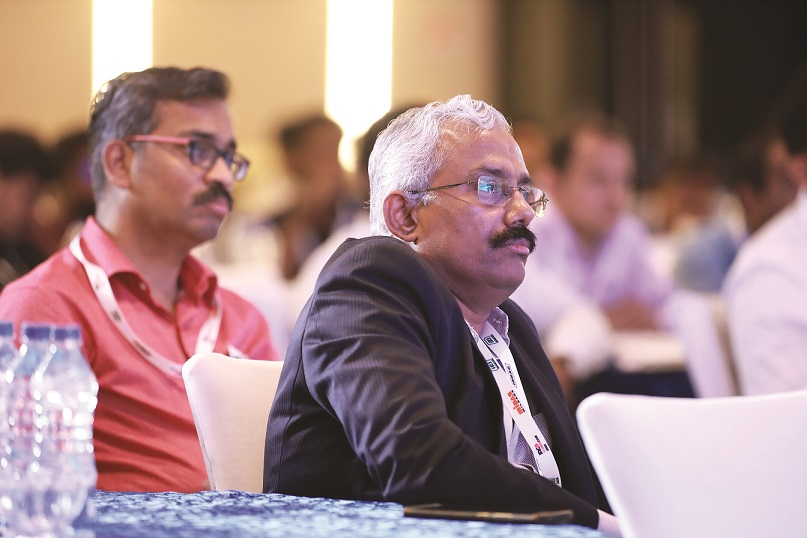
Several topics had a niche focus for the tyre industry ranging from the need for skilled manpower for rubber tapping to recycle of tyre waste rubber and extraction of diesel like oil and pyrolytic carbon black to tyre emissions.
Some interesting presentations also focused on solid tyres, truck/bus tyre applications, to the industry’s commitment towards enabling sustainable mobility and the need to meet strict EU regulations.
Retreading truck tyre test – breakthrough for natural rubber silica/silane systems, green tyre technology, sustainable rubber processes, role of artificial intelligence (AI) and machine learning (ML) to advance sustainability in tyre industry, moving towards green supply chain strategies & technology were some of the presentations made by industry speakers.
The event also saw over 90 presentations and 18 poster sessions from experts across the rubber and tyre value chain from India, Germany, Sri Lanka, South Korea, China, Italy, France, UK and US, among others.
The conference concluded with a focus on collective action, emphasising the importance of collaboration across the value chain. From sourcing raw materials to recycling end-of-life tyres, stakeholders demonstrated their commitment to sustainable practices.
Rubbercon 2024 reaffirmed its position as a key forum for driving innovation, fostering collaboration and shaping a sustainable future for the global rubber and tyre industry.
KraussMaffei Names Ren To Lead Extrusion Unit Alongside China Role
- By TT News
- September 08, 2026
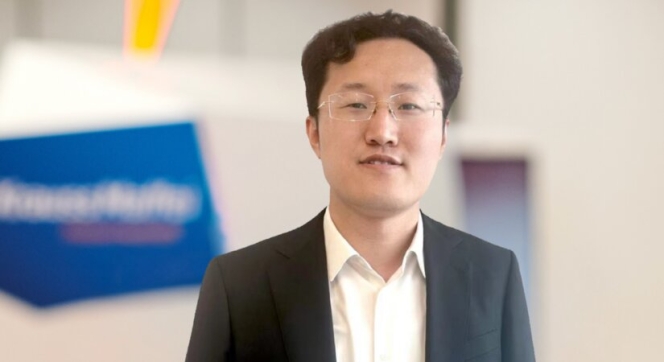
KraussMaffei has appointed Xinting Ren as Managing Director of its extrusion business, effective 1 September, 2026, combining the role with his existing leadership of the group’s China operations.
Ren succeeds Ralf Benack, who left the company at his own request on 31st August , ending a tenure of about two years.
The company said the dual appointment is intended to strengthen integration between its extrusion activities and international operations.
Ren has led KraussMaffei China for the past three years, overseeing cross-technology activities in the Chinese market. Before joining the group, he held several management roles in the chemical industry, including Assistant General Manager at KraussMaffei Company Limited, now operating as Sinochem Equipment Technology Qingdao Co., and most recently served as general manager of Shanxi China Coal Pingshuo Energy Chemical Co., Ltd.
Benack took over leadership of KraussMaffei Extrusion in 2024 and was responsible for the group’s global extrusion business. During his tenure, the company focused on operational processes and customer orientation, reducing delivery times and further developing the Technology Center at its Laatzen site.
The facility now offers 26 pilot lines for development and customer projects, and the company said it also expanded its extrusion technology portfolio.
From September, responsibility for the extrusion business and management of the China business will be combined under Ren’s leadership.
Nokian Tyres Launches Summer Tyre With Top EU Label Ratings Across Range
- By TT News
- September 08, 2026
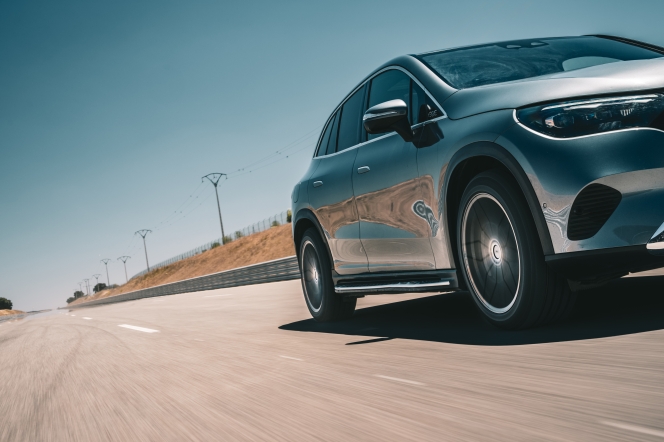
Nokian Tyres plc has introduced a new premium summer tyre, the Powerproof E, designed for Central and Southern European markets, with A-class ratings in all three European Union tyre label categories across its full range.
The company said the tyre achieves top grades for rolling resistance, wet grip and external rolling noise, reflecting a development approach aimed at balancing efficiency, safety and comfort within a single product.
“Whether the priority is maximizing range and efficiency or achieving confidence and comfort in wet conditions, drivers should not have to compromise on safety. The new Nokian Tyres Powerproof E is designed to deliver outstanding performance in the areas that matter most to drivers,” said Tommi Alhola, Senior Vice-President for Passenger Car tyres in Central Europe.
Samu Lepistö, development manager at the company, added: “Achieving A-class ratings in all three EU tire label categories across the entire range is a significant result. These characteristics are all important to today's drivers yet improving one can often affect another. Nokian Tyres Powerproof E was developed to deliver balanced performance across all three areas.”
The tyre incorporates what the company calls Motion Control Technology, combining tread design, compound development and structural engineering to support efficiency and wet-weather performance.
Depending on size, between 40.9 percent and 42.8 percent of the tyre’s material content consists of recycled and renewable inputs, including rice husk ash, recycled carbon black and recycled steel.
Production takes place at the group’s factory in Oradea, Romania, which opened in 2024 and operates with zero direct carbon dioxide emissions, powered by renewable energy.
The Powerproof E is designed for passenger cars, sport utility vehicles and crossover vehicles, including electric, hybrid and internal combustion models. It will be available in sizes ranging from 16 to 20 inches for the 2027 summer season in Central and Southern Europe.
Frank Buntinx Takes Helm As Managing Director Of Continental Tire Canada
- By TT News
- September 08, 2026
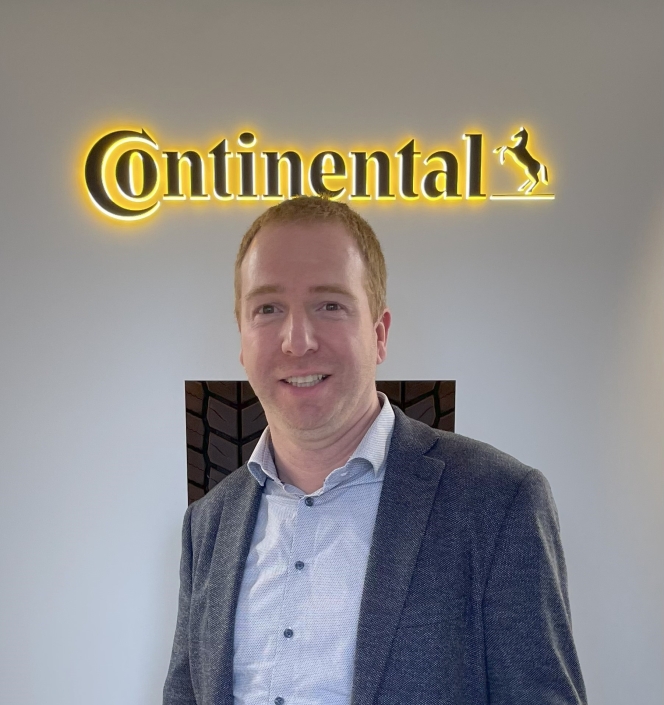
Continental Tire Canada has appointed Frank Buntinx as its new Managing Director, effective 17 August 2026. In this executive capacity, he assumes comprehensive oversight of the organisation’s entire Canadian tyre portfolio, which encompasses passenger and light truck vehicles, commercial truck lines and specialised tyre segments. His leadership will guide the strategic direction and operational performance across these diverse business units.
A native of Belgium, Buntinx brings over two decades of tenure with Continental, having commenced his career there in 2003 within logistics and supply chain management. Over the years, he has accumulated a broad commercial skillset through successive roles in marketing, pricing strategy, business analytics, fleet operations and sales. His professional trajectory later elevated him to senior leadership positions in the Benelux region, where he directed marketing efforts and subsequently headed Fleet Solutions and Truck Tires, thereby acquiring multifaceted management expertise.
This transatlantic appointment signifies a pivotal career transition for Buntinx, offering him the chance to infuse the Canadian market with an international vantage point. His arrival is anticipated to bolster Continental’s regional presence, leveraging his extensive cross-functional background to navigate the complexities of the domestic tyre industry and drive organisational growth.
“I am truly excited to join Continental Tire Canada and begin this new chapter. Continental has built a strong business and reputation in the Canadian market, and I look forward to working alongside our talented team to build on that success, strengthening Continental's position while supporting the growth and success of our customers,” said Buntinx.
Dunlop To Exit Karting Tyre Segment By 2027
- By TT News
- September 07, 2026
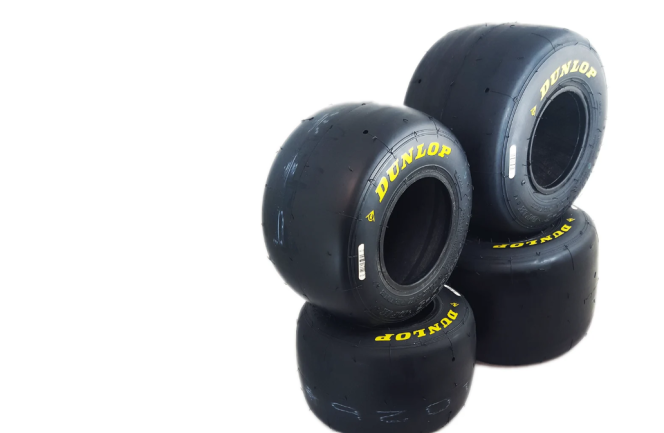
Sumitomo Rubber Industries, Ltd., which operates the Dunlop brand, will discontinue the supply of karting tyres by the end of 2027 as part of a strategic review of its business and allocation of management resources.
The company said it would continue supplying products to existing customers until December 31, 2027.
Dunlop has produced karting tyres since 1976, supplying products homologated by the Commission Internationale de Karting-FIA (CIK-FIA), under the Fédération Internationale de l’Automobile, as well as tyres accredited by the Japan Automobile Federation.
The company said its products had supported a wide range of users, from recreational drivers to young drivers aiming to compete at higher levels, and had contributed to the development of karting participation.
It added that the decision followed a review of its medium- to long-term management strategy and changes in the business environment.
The group said it would continue to contribute to motorsport activities, while expressing appreciation to customers and organisations that had supported its karting tyre business.

Comments (0)
ADD COMMENT