

- Continental
- Continental Tyres
- Deutsche Gesellschaft für Internationale Zusammenarbeit
- German Federal Ministry for Economic Cooperation and Development
- Sustainability
- Natural Rubber Farming
Continental Further Expands Its Commitment To Enhance Sustainability In NR Farming
- By TT News
- April 15, 2025
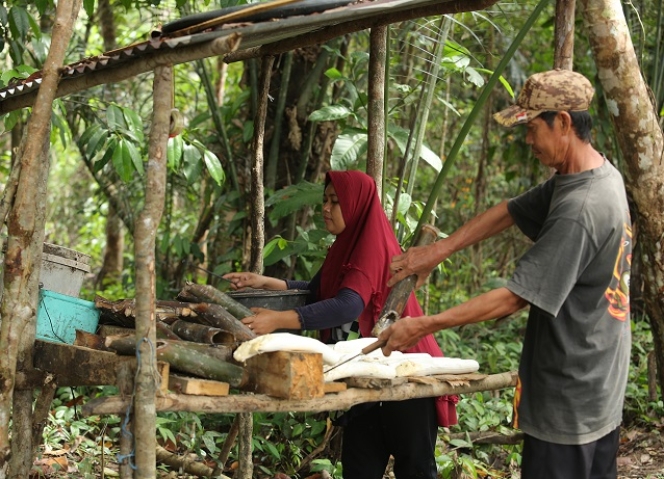
Continental and the Deutsche Gesellschaft für Internationale Zusammenarbeit (GIZ) GmbH have extended their project to improve sustainability in smallholder natural rubber farming by three years. About 5,000 indigenous smallholders in West Kalimantan, Borneo, Indonesia, have already received training since 2018 on how to grow premium natural rubber in accordance with well-defined sustainability standards. Co-funded by Continental and the German Federal Ministry for Economic Cooperation and Development (BMZ), the initiative aims to engage an additional 1,000 smallholders by 2027.
Lack of knowledge and low farmer income are two major issues in natural rubber farming that are addressed by the Continental and GIZ initiative in the region of Kapuas Hulu, which is home to a UNESCO biosphere reserve. Farmers are taught sustainable agriculture practices and cultivation techniques through the training offered by Continental and GIZ. This enhances the rubber's quality, boosts yield, streamlines the supply chain and raises rubber producers' profits. Additionally, this aids in putting into practice the crucial subject of preserving or reviving biodiversity in the project region. Transparency is also guaranteed across the natural rubber supply chain, from the rubber tree to its usage in Continental's manufacturing, thanks to the implementation of a digital tracking system.
In addition to increasing local capacity, both the companies are actively assisting in enhancing smallholders' quality of life and encouraging environmentally friendly methods of growing natural rubber. The objectives of the EU Regulation on Deforestation-Free Supply Chains (EUDR) are clearly supported by Continental, which has long been actively dedicated to increased supply chain sustainability and transparency. In addition to Continental's tyre facilities, other manufacturers can purchase the sustainably sourced natural rubber produced as part of the project, and more partners are being invited to join.
Dr Michael Radke, Head of Sustainability in Purchasing, Continental, said, “As one of the largest tyre manufacturers in the world, we have a particular responsibility in the natural rubber supply chain. That is why we are committed at all levels and are building capacity locally. Over the past few years, together with GIZ, we have shown that we can make the natural rubber supply chain transparent and at the same time increase farmers’ incomes. Now we want to reach even more smallholders and create the framework conditions for the successes achieved to be sustained.”
Prism Worldwide Unveils Major Innovations In Recycled Tyre Materials
- By TT News
- July 10, 2025
Prism Worldwide, a pioneer in converting discarded tyres and plastic waste into high-value circular polymers, has introduced three revolutionary advancements that promise to reshape the sustainable materials landscape. The company's breakthroughs in eliminating rubber odours, creating tyre-derived thermoplastic vulcanizates (TPV) and enabling high-content EPDM recycling address longstanding obstacles that have hindered widespread adoption of recycled materials across industries.
The company's cost-efficient, American-made production methods offer significant savings compared to virgin materials – a critical advantage amid fluctuating tariffs and increasing demand for domestic supply chains. This economic benefit allows manufacturers to embrace sustainable solutions without compromising profitability, removing a major barrier to eco-friendly material adoption.
Prism's innovations enable manufacturers to seamlessly integrate up to 50 percent recycled tyre content into existing production processes like injection moulding and extrusion – a dramatic improvement over previous limitations. This technological leap expands applications beyond traditional compression moulding, allowing for odour-free recycled materials in premium products like automotive interiors and fitness equipment.
The company's odour-elimination technology, rigorously tested to meet automotive industry standards, solves one of recycling's most persistent challenges. Equally groundbreaking is Prism's development of sustainable TPV derived entirely from end-of-life tyres – an industry first that creates new possibilities for high-value applications. Equally significant is their breakthrough in EPDM recycling, overcoming the material's inherent resistance to reuse through an innovative devulcanisation process that maintains critical performance characteristics.
These collective advancements represent more than incremental improvements – they fundamentally redefine what's possible with recycled materials. By tackling odour, performance and cost challenges simultaneously, Prism is transforming sustainability from a compliance obligation into a competitive advantage.
Bob Abramowitz, CEO, Prism Worldwide, said, “This is a turning point for end-of-life tyre recycling and sustainable polymer development. These are not incremental improvements. We’ve tackled odour, cost and performance, three of the biggest barriers to more widespread adoption of recycled materials, and overcome them all with commercially viable solutions. Our team’s diligence in developing solutions that solve these challenges allows us to deliver cost-effective, high-performance materials without requiring customers to pay a green premium. Companies pay lip service to sustainability values, but they change their tune when it costs more. We are creating additional profit opportunities while helping them to meet corporate sustainability objectives.”
Orion To Rationalise Carbon Black Production Lines
- By TT News
- July 10, 2025
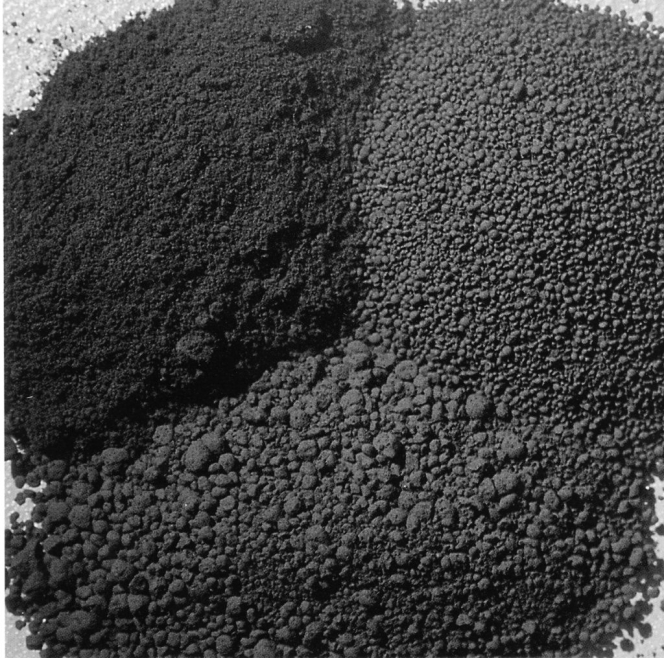
Orion S.A., a global speciality chemicals company, today announced plans to shut down three to five carbon black production lines across facilities in the Americas and EMEA by the end of 2025. CEO Corning Painter stated that this decision aligns with the company’s strategy to prioritise maintenance investments on higher-performing lines, improving reliability and productivity while rationalising underperforming assets. The move aims to boost free cash flow.
Painter noted that recent US tariffs, the EU anti-dumping probe and ongoing tyre capacity investments in these regions are expected to reverse the decline in local tyre manufacturing. However, due to the uncertain timeline of this recovery, Orion has chosen to act now to optimise operations.
Bekaert Completes Sale Of Latin American Steel Wire Businesses To Grupo AG
- By TT News
- July 09, 2025
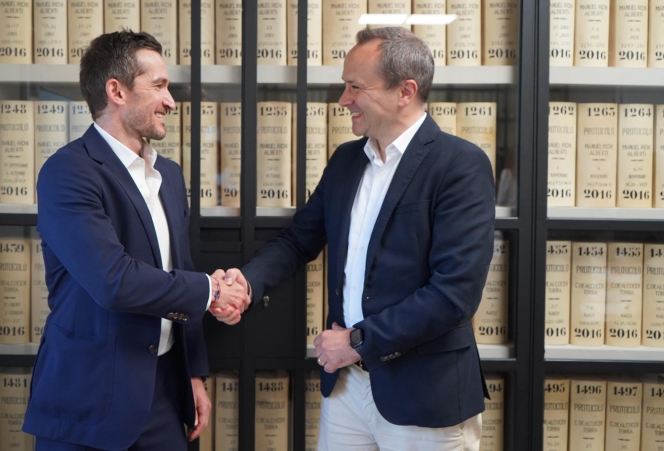
On 28 February 2025, Bekaert finalised an agreement to sell its Steel Wire Solutions businesses in Costa Rica, Ecuador and Venezuela to Grupo AG. This divestment aligns with Bekaert’s strategic shift away from commoditised, volatile markets towards higher-growth sectors with stronger profitability and capital returns. Following regulatory approvals, including competition clearance, the transaction was completed on 30 June 2025.
The deal valued the divested businesses at a consolidated enterprise value of USD 73 million. The proceeds will bolster Bekaert’s financial position, supporting shareholder returns and strategic growth investments. In the first half of 2025, these operations generated around EUR 60 million in revenue and EUR 4 million in underlying EBIT. Excluding a non-cash, cumulative translation adjustment of EUR -56 million due to Venezuela’s historical currency devaluations, the sale is expected to yield an estimated profit of EUR 15 million.
Post-transaction, Latin America will account for roughly four percent of Bekaert’s consolidated sales. This move reflects the company’s ongoing portfolio optimization, prioritising stable, high-margin markets while reducing exposure to less predictable regions. The successful closure of this deal marks another step in Bekaert’s long-term strategy to enhance profitability and sustainable growth.
François Desné, Divisional CEO, Bekaert’s Steel Wire Solutions, said, “The successful completion of this transaction marks another important milestone in the transformation of the Steel Wire Solutions portfolio. Equally, we are confident that our teams and customers in Costa Rica, Ecuador and Venezuela will thrive under the leadership of Grupo AG. We are proud of what we have achieved together in Latin America over the past years and wish our local teams and Grupo AG every success as they embark on this new chapter.”
HS HYOSUNG And TATA STEEL Thailand Sign MoU For Sustainable Steel Raw Materials
- By TT News
- July 09, 2025
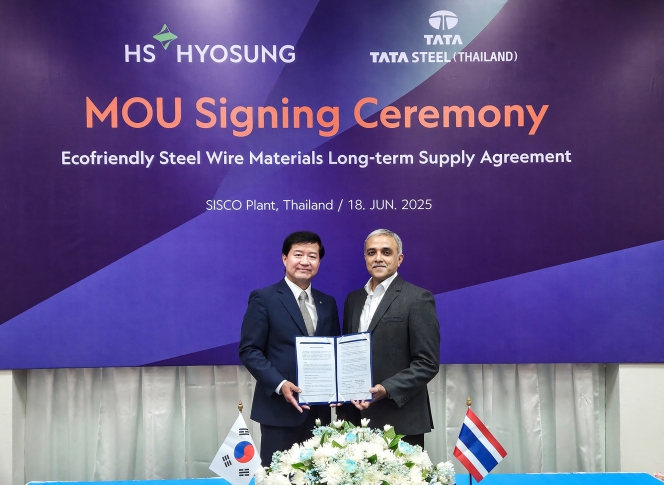
HS HYOSUNG ADVANCED MATERIALS signed a memorandum of understanding (MoU) with TATA STEEL Thailand last month to secure a long-term supply of sustainable steel raw materials. This partnership ensures a stable procurement of eco-friendly steel for manufacturing tyre steel cords, reinforcing the company’s commitment to sustainability.
TATA STEEL Thailand, part of India’s renowned Tata Group, specialises in producing high-quality steel using the electric arc furnace (EAF) method. This process recycles scrap metal and is far more energy-efficient than traditional blast furnaces, reducing carbon emissions by approximately 60 percent. By sourcing these sustainable materials, HS HYOSUNG ADVANCED MATERIALS can manufacture tyre steel cords with a significantly lower carbon footprint. Additionally, sustainable steel cords yield higher profit margins compared to conventional alternatives, strengthening the company’s revenue stream in this sector.
Tyre steel cords are critical for enhancing tyre durability and shape stability, with growing demand for high-strength variants due to the expanding electric vehicle market. Furthermore, advanced markets like Europe are increasingly prioritising sustainable materials, boosting sales potential for eco-friendly steel cords. HS HYOSUNG ADVANCED MATERIALS aims to increase the proportion of sustainable steel cord sales from five percent in 2025 to 15 percent by 2027.
The company’s sustainability efforts have been widely recognised. In October 2023, it received the Platinum Medal from EcoVadis, placing it in the top one percent of over 130,000 global companies assessed for ESG performance. Additionally, it was listed on the Dow Jones Sustainability Index (DJSI) Korea for the second consecutive year in December, underscoring its leadership in sustainable business practices.
Nak-Yang Sung, CEO, HS HYOSUNG ADVANCED MATERIALS, said, “Through this MOU, we have secured a stable source of sustainable raw materials and will continue to meet the growing demand from global tyre manufacturers for sustainable products.”
Comments (0)
ADD COMMENT