

Digital, Connected and Sustainable solutions will drive the future
- By TT News
- October 13, 2021
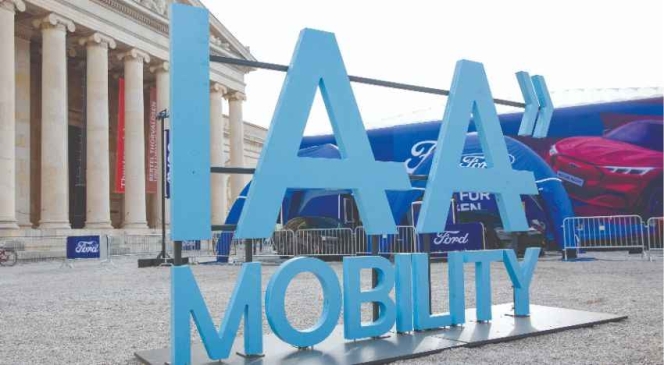
Until 1989, the IAA featured both passenger cars and commercial vehicles in one show that was held at the exhibition site in Frankfurt. Following a recent slump in visitor and exhibitor numbers, organisers VDA decided not to renew the contract with Messe Frankfurt and moved the show out of Frankfurt.
 In March 2020, a decision was made to host the event in Munich due to it being home to manufacturers like BMW and several other tech companies like Apple and Google. The organisers also received support from the Greens-led city council and Bavarian state government to host the show. Due to the Covid-19 pandemic, the show was postponed from 2020 to 2021.
Finally, the show was held from 7-12 September 2021 in Munich. The move to Munich worked wonders for the organisers, as the 2021 edition of IAA Mobility witnessed over 400,000 participants from 95 countries, along with an international media reach of 137 billion. The show featured around 744 exhibitors and 936 speakers from 32 countries presenting their views and innovations.
Talking about the show's success, Hildegard Müller, President, German Association of the Automotive Industry (VDA), said, "We took a courageous step and were rewarded by the visitors. A total of 400,000 participants in only six days is a clear case of 'voting with their feet’. The visitors were evidently very interested in and delighted by the whole experience. The IAA MOBILITY is now the largest mobility event in the world. New electric cars, bicycles, e-scooters, energy policies and urban planning, digitisation and more – here in Munich, we presented and discussed what needs to be thought together in the future. At the IAA MOBILITY Conference, we also experienced lively discussions on the path to new mobility. The exhibitors unveiled more than 100 premieres of their latest models and concepts, underscoring the fact that the transformation of mobility is being driven forward toward climate neutrality and digitisation."
The 2021 edition of IAA Mobility was focused around 'What will move us next?'. Exhibitors presented their innovations focussing on automation, connectivity and sustainability. Below we will discuss the innovations displayed by Michelin and Continental and talk about the other significant exhibits from the show.
Continental:
 It was a busy IAA Mobility 2021 for Continental. The company showcased a slew of innovations ranging from sustainable tyre to autonomous vehicle concept. All concepts showcased were categorised under the tagline 'Safe, Connected, Convenient and Driving the Future of Mobility for 150 years'.
The first concept showcased was the Conti GreenConcept. This sustainable tyre concept has been developed by Continental's development engineers and material experts to set new standards in integrated sustainability. The concept tyre consists of an exceptionally high proportion of traceable renewable and recycled materials. It is based on innovative and resource-saving lightweight technology that ensures an extended service life.
Conti GreenConcept tyre is made up of 35 percent renewable raw materials and 17 percent recycled materials. The use of organic materials like natural rubber from dandelions, silicate from the ashes of rice husks and various vegetable oils and resins help significantly in reducing the use of crude oil-based materials. In addition to using processed steel and carbon black, Continental is using recycled PET bottles in the casing of the tyre for the first time as part of its Contyre.Tex technology rollout.
 Another advantage of the Conti GreenConcept’s lightweight design is significant reduction in rolling resistance helping improve EV range by up to six percent. According to an analysis by Continental, the rolling resistance of Conti GreenConcept is around 25 percent lower than any tyre with Class A rolling resistance. In addition, the Conti GreenConcept’s renewable tread can be replaced repeatedly with little effort. This tread concept significantly improves resource conservation along with improving the service life of the tyre.
Conti GreenConcept tyre also features COKOON – a technology for the eco-friendly bonding of textile reinforcements with rubber compounds developed by Continental in partnership with Kordsa.
Talking about the Conti GreenConcept tyres, Nikolai Setzer, CEO, Continental, said, "The cars of the future will still need tyres, which we are making more and more sustainable, as our concept tyre shows. The Conti GreenConcept demonstrates how Continental will completely convert its global tyre production to use sustainable materials by 2050 at the latest. This underlines our goal of being the most advanced tyre company along the entire value chain by 2030 in terms of social needs as well as our ecological and economic footprint. Step by step, our solutions and technologies are enhancing sustainability and climate protection on the road."
 Continental also showcased its vision of an autonomous, connected future with the AMBIENC3 car interiors concept alongside the sustainable tyre concept. A combination of 'Ambience' and '3rd space', the AMBIENC3 concept combines driving, working and relaxing in one interior.
The interior concept features the Ac2ated sound system, offering immersive audio without speakers and the ProViu360 driver assistance system, which gives the driver much better situational awareness thanks to a camera surround system. Other exciting interior features include intelligent glass control with adjustable dimming and heating functions, a built-in solar charger with photovoltaic cell and the eTravel companion software that provides the driver with tips and recommendations relating to the route, refuelling and the condition of the vehicle.

Michelin:
While Continental stayed inside, Michelin took to the streets to showcase its airless tyre solution. Equipped on a Mini Electric, the Unique Puncture-Proof Tyre System (UPTIS) made its public appearance offering test ride opportunities to certain lucky members of the general public. Announced in 2019, the UPTIS is part of Michelin's sustainable development model, the Vision concept. The UPTIS features a structure capable of supporting the vehicle while also delivering a safe and comfortableride without air.
 Commenting on the UPTIS, Cyrille Roget, Group Technical and Scientific Communications Director, Michelin, said, "The truly distinctive structure of the Michelin UPTIS prototype, or its 'weirdness' as we have often heard it called, really attracted the attention of many visitors and left a lasting impression on them. It was an exceptional experience for us, and our greatest satisfaction came at the end of the demonstration when our passengers, who were admittedly a little wary at first, said they felt no difference compared with conventional tyres."
Along with the public display of the UPTIS, Michelin also showcased its first competition tyre constructed using 46 percent sustainable materials. These products align with Michelin's ambition to use 100 percent sustainable material in its tyres by 2050.
In addition to the tyre showcase, Michelin also ran an awareness campaign encouraging people to recycle waste and highlight the company's sustainability plans. Six teams were tasked to collect enough plastic to produce 100 tyres. The company has plans to utilise these PET bottles and yoghurt cups to produce and launch its first sustainable tyre latest by 2024. As part of its awareness campaign, Michelin also revealed a recipe for creating sustainable tyres using green waste and plastic waste.
Other launches
Apart from Continental and Michelin, there were many manufacturers and suppliers who showcased their vision of a carbon-neutral future. Some of the highlights include BMW's i Vision CirCular Concept car made from almost 100 percent recycled materials; automated valet parking system jointly developed by Bosch, Mercedes-Benz, BMW, CARIAD, Ford, Jaguar Land Rover, Continental, Valeo, Kopernikus Automotive and Unikie; driverless robotaxi for 2022 produced in collaboration by Intel and Sixt and multiple in-cabin monitoring systems for cars showcased by Valeo, Bosch and Continental.
Following a challenging phase with the ongoing pandemic, the auto industry has emerged greener and stronger than ever before and the IAA 2021 was an indication of the same. The next IAA Mobility show is scheduled from 5-10 September 2023 and we can expect the auto industry to come up with more intelligent and greener solutions to our mobility problems. (TT)
TyreSafe And Staffordshire Police Join Forces To Boost Road Safety
- By TT News
- September 19, 2026
TyreSafe has entered a new partnership with Staffordshire Police, reinforcing a joint commitment to improve road safety and reduce fatalities and serious injuries across the county. The collaboration aims to highlight the critical role tyres play in protecting road users by encouraging simple, regular checks of pressure, tread depth and overall condition.
The value of this preventative approach was recently demonstrated during a multi-agency enforcement operation at the DVSA Vehicle Inspection Site in Doxey. Held on 25 August, Operation Doxey involved Staffordshire Police, West Mercia Police, DVSA, Datatag, the Forensic Collision Investigation Unit and TyreSafe. Inspectors directed 30 vehicles into the site, covering leisure vehicles, towing vehicles, light commercial vehicles and goods vehicles.
Seven tyre and wheel-related defects, mechanical risks and pressure discrepancies were identified. These included a tyre cut through to the cord, which received an immediate prohibition notice, a tyre running roughly 30 percent below recommended pressure, an overweight light commercial vehicle with a nail embedded in a tyre and all four tyres underinflated, a significant rear axle pressure imbalance, a missing wheel nut and an 11-year-old tyre. Leisure vehicle owners generally showed good tread awareness, though pressure maintenance remained an issue, while commercial vehicles presented several preventable defects.
Staffordshire has one of UK’s statistically safest road networks, yet serious collisions remain a concern, particularly on single carriageways. Rural bends, changing speed limits and limited visibility add risk, while motorcyclists and vulnerable road users are disproportionately affected. Common factors include failing to look properly, misjudging speed or path and driving too fast or carelessly. TyreSafe now works with over 260 organisations, and this partnership encourages Staffordshire motorists to make tyre checks routine.
Stuart Lovatt, Chairman, TyreSafe, said, “We are delighted to welcome Staffordshire Police as a TyreSafe partner. While Staffordshire has a strong road safety record, every serious collision has potentially devastating consequences for those involved, their families and their communities. The recent Operation Doxey enforcement activity demonstrates exactly why preventative vehicle maintenance matters. Across just 30 vehicles, inspectors identified a number of serious tyre and wheel defects, including a tyre cut to the cord, significantly incorrect tyre pressures, an embedded nail, a missing wheel nut and a tyre that was 11 years old.
“These findings are a powerful reminder that problems are not always obvious from behind the wheel. Simple checks before a journey can help identify issues before they become a danger on the road. Different roads present different challenges, particularly rural and single carriageway roads where the consequences of losing control or being unable to stop safely can be especially severe. Road safety requires a collective effort, and partnerships such as this are incredibly important. By combining the reach and expertise of Staffordshire Police with TyreSafe’s specialist knowledge and campaigns, we can help more road users understand the simple but crucial role their tyres play in keeping themselves and others safe.”
Police Sergeant Adam Van de Sande, Staffordshire Road Crime – Proactive & Harm Reduction Team, said, “Keeping people safe on Staffordshire’s roads requires everyone to play their part. We are committed to working with partners to reduce the number of people killed and seriously injured on our road network. Operation Doxey demonstrated the value of partnership working, with officers, vehicle examiners and road safety specialists able to identify a range of defects and safety issues before those vehicles continued their journeys.
“Vehicle safety is an important part of that responsibility, and tyres are fundamental to a vehicle’s ability to stop, steer and maintain grip. We are pleased to be working with TyreSafe to raise awareness and encourage motorists to make regular tyre checks part of their routine vehicle maintenance. Our message to road users is simple: don’t wait for something to go wrong. Take a few minutes to check your vehicle and make sure it is ready for the road.”
- AZuR Network
- German Award for Sustainability Projects
- Tyre Retreading
- Retreading: Climate Protection on Wheels
AZuR Wins German Award For Sustainability Projects 2026 For Tyre Retreading Project
- By TT News
- September 19, 2026
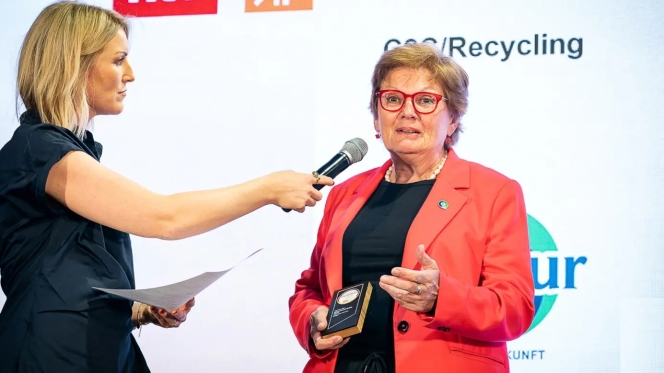
The AZuR Network has been honoured with the German Award for Sustainability Projects 2026 in the C2C/Recycling category for its ‘Retreading: Climate Protection on Wheels’ project. The recognition highlights the network's efforts to expand tyre retreading across Germany and Europe, thereby extending the useful life of tyres. Retreading works by reusing a suitable used tyre casing and applying a fresh tread, keeping a substantial share of the original tyre in circulation.
A life cycle assessment commissioned by AZuR and carried out by the Fraunhofer Institute UMSICHT compared retreaded tyres with equivalent new ones. Under the conditions examined, producing a retreaded truck tyre generated roughly 135 kilogrammes less greenhouse gas emissions, a reduction exceeding 60 percent. The process also reuses considerable portions of the existing tyre casing, reinforcing its environmental advantages.
The jury underscored the project's scalability and its relevance to the industry. Official documentation further noted the political integration of the topic as a key strength, with the EU taxonomy confirmation in 2025 representing a tangible milestone. The award places AZuR among well-known companies and innovative projects, including a climate protection cooker initiative in Cameroon, a capsule-free coffee system and a mental health awareness campaign.
Knauf secured first place in the same category with its circular gypsum supply chain, while Schmitz Cargobull led the Mobility and Logistics Solutions category. Other first-place winners included DEKRA, Hansgrohe, Pfleiderer Germany and SBRS. Presented by DISQ with ntv and DUP UNTERNEHMER under Brigitte Zypries' patronage, the 2026 edition saw 433 nominations, with 46 organisations recognised across 19 categories on 17 September in Berlin.
Christina Guth, Network Coordinator, AZuR, said, “This award belongs to our entire network. Retreading only works when many stakeholders collaborate along the value chain – from certified end-of-life tyre recyclers, tyre manufacturers and retreaders to retailers and fleet operators, all the way to academia. The award highlights the potential of using high-quality tyres for longer and keeping their casings in circulation.”
Birla Carbon To Showcase Sustainable Carbon Black Solutions At Global Polymer Summit 2026
- By TT News
- September 18, 2026

Birla Carbon will present its carbon black solutions at the Global Polymer Summit 2026, scheduled for 28–30 September at the Kentucky International Convention Center in Louisville. The company will exhibit at Booth 417, targeting tyre and mechanical rubber goods (MRG) manufacturers seeking higher performance and reduced environmental impact.
The company’s portfolio spans tyre and MRG applications, addressing durability, strength, abrasion resistance and product life across tyres, belts, hoses, sealing systems and anti-vibration products. Birla Carbon will also feature Continua Sustainable Carbonaceous Material (SCM), a circular carbon range with consistent quality and global availability and Continua Sustainable Carbon Black (SCB), produced from recycled or bio-based feedstocks.
Supported by extensive manufacturing, technical expertise and customer-focused teams across the Americas, Birla Carbon provides reliable volumes, responsive service and tailored solutions. Attendees can meet company experts at Booth 417 to explore its product portfolio, technical capabilities and sustainable offerings.
John Davidson, President – Americas & EMEA, Birla Carbon, said, “The tyre and mechanical rubber goods industries are at an important phase, where performance, supply resilience and sustainability must advance together. The next phase of growth will depend on stronger collaboration across the value chain and the ability to translate innovation into scalable, commercially viable solutions. At Birla Carbon, we are combining our manufacturing network, portfolio strength, technical expertise and regional capabilities to help customers navigate this transition and build more resilient and sustainable businesses.”
Michelin Launches X Multi Energy D2 Tyre For Regional Haul Fleets
- By TT News
- September 18, 2026
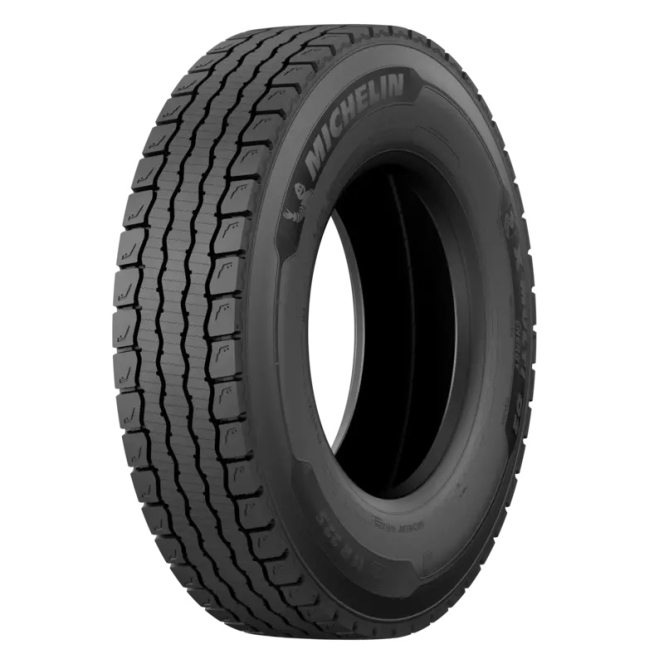
Michelin has unveiled the X Multi Energy D2 tyre, developed to address the specific challenges of regional haul operations. Fleets in this segment face demanding roads, frequent stop-and-start cycles and escalating fuel expenses that affect both performance and profitability. By blending durability, fuel savings and Michelin’s established performance standards, the new tyre aims to boost fleet productivity while reducing overall operating costs.
The tyre features a revised tread pattern and a new tread compound to better resist tread damage caused by high-torque vehicles and stop-and-go regional driving. It is constructed on Michelin’s Duracore casing, which integrates Infinicoil and Powercoil technologies and benefits from a reinforced bead design known as Duracoil Technology. This casing is engineered to last up to one million miles and support as many as four retreads.
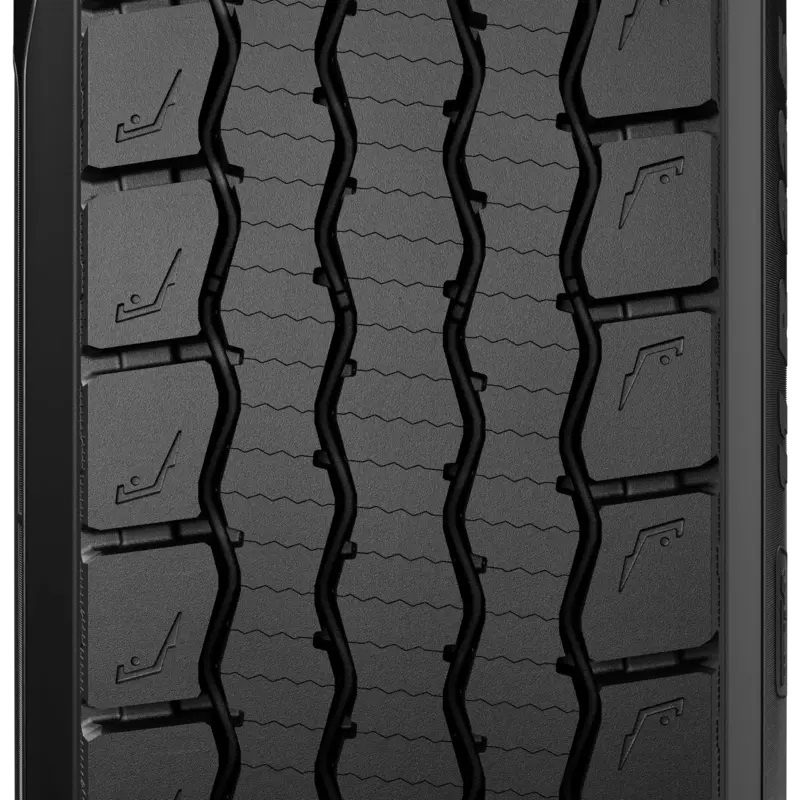
In the effort to curb fuel expenses, the X Multi Energy D2 improves rolling resistance by 9 percent over its predecessor, the Michelin X Multi Energy D tyre, and by 18 percent compared with leading competitors. It also enhances late-life traction, offering 10 percent better wet handling and 16 percent better snow starting traction when worn, giving drivers and operations managers greater confidence on varying roads.
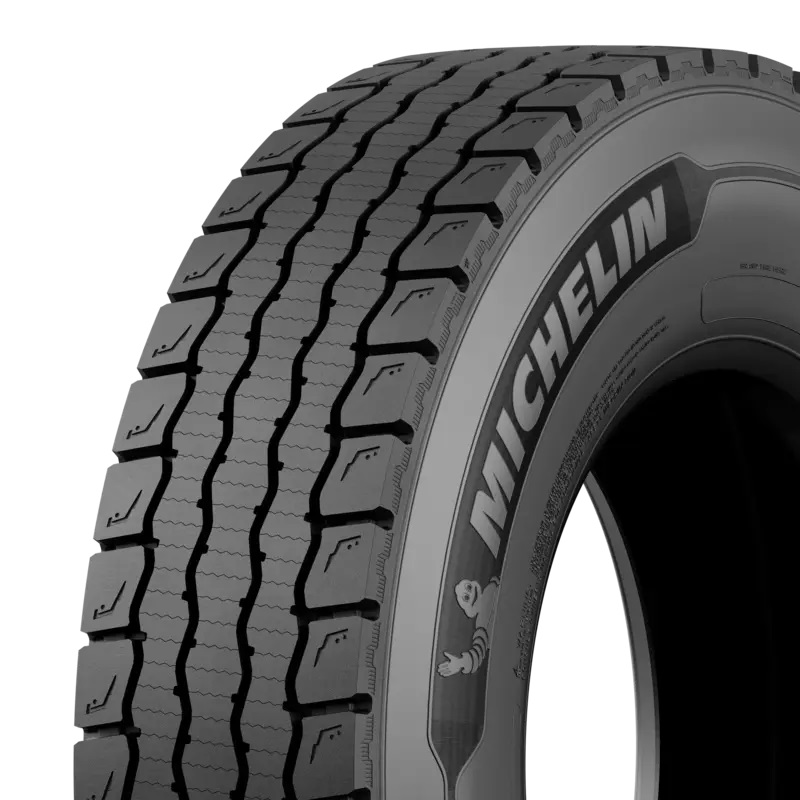
For original equipment manufacturers, the tyre meets Greenhouse Gas standards and supports applicable vehicle carbon-reduction requirements. Designed for regional applications where traction, durability and fuel efficiency matter, it is available in 295/75R22.5 LRG and 11R22.5 LRG and LRH sizes, replacing the X Multi Energy D tyre in those sizes.
Yahn Heurlin, VP of B2B Marketing, Michelin North America, Inc., said, “Michelin is driven by a deep commitment to understanding the needs and challenges customers face every day. This customer-first mindset inspires the development of purpose-built solutions designed to address real-world pain points and help fleets operate more efficiently.”

Comments (0)
ADD COMMENT