

Riding The Atmanirbhar Wave
- By Sharad Matade & Gaurav Nandi
- June 18, 2026
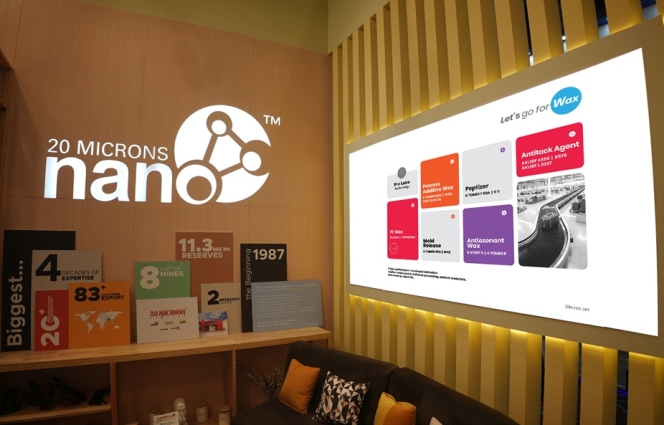
India’s Atmanirbharta push is reshaping the tyre industry as companies leverage domestic mineral resources and advanced processing technologies to reduce import dependence and strengthen global competitiveness. Players such as 20 Microns Limited are capitalising on this shift by developing value-added fillers that enhance tyre performance while lowering costs and emissions.
As radialisation, sustainability targets and export ambitions converge, indigenous innovation is increasingly being positioned not merely as import substitution but as a strategic lever for global market integration and long-term industry transformation.
India has witnessed a sharp rise in cross-manufacturing capabilities across industries over the past decade. Once heavily dependent on imports, the country is gradually positioning itself as a manufacturing and export hub. This transition has been accelerated by Prime Minister Narendra Modi’s call for Atmanirbharta (self-reliance).
The domestic tyre ecosystem is also benefiting from this momentum, with companies that have established strengths in adjacent sectors now entering the tyre value chain. Gujarat-based 20 Microns, a speciality chemicals company operating primarily in industrial minerals and performance additives for sectors such as tyres, rubber, plastics, Paints, paper etc., has emerged as a supplier to leading Indian tyre manufacturers including CEAT.
Speaking exclusively to Tyre Trends, K K Mishra, President – Product and Business Development at 20 Microns, said, “The shift from bias-ply to radial tyres opened up opportunities for players like us to enter the tyre industry.”
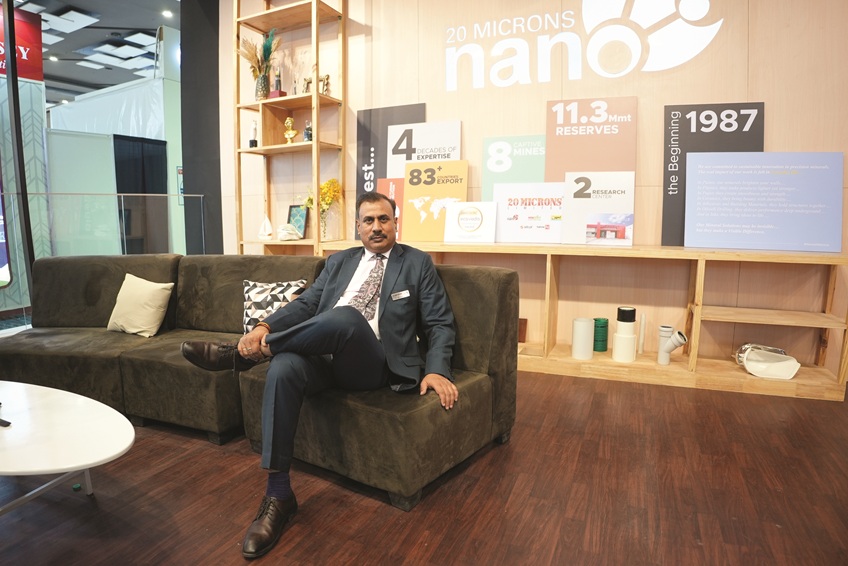
Before entering the tyre segment, the company catered to multiple industries. “We supply products for 78 different applications, so tyres were not initially a focus area for us. Our entry into the segment was largely driven by customer demand,” Mishra explained.
The company’s first offering to the tyre industry was magnesium oxide. However, tyre manufacturers were already using the material in limited quantities relative to their overall raw material consumption. While some experimented with alternative fillers, these solutions often failed to deliver significant value.
Mishra pointed out that India had traditionally exported large volumes of raw minerals such as China clay, talc, mica and other industrial minerals but lacked advanced grinding and processing capabilities. As a result, European companies imported these raw materials, converted them into high-value speciality products and exported them back to India at significantly higher prices.
Recognising this gap, 20 Microns began developing nano and value-added mineral-based products domestically.
“We registered 20 Microns Nano Minerals Limited in 2004, but commercial operations started in 2012. We introduced products gradually. Our first major offering was an anti-blocking agent, which was largely imported by petrochemical Complex. These agents are used in packaging films to prevent layers from sticking together,” Mishra said.
To manufacture the product, the company installed a delamination process capable of producing platy particles. Advanced machinery was imported from Germany, and the delaminated talc products were initially supplied to Reliance Industries.
Following this success, the company realised the same technology could be applied to other minerals.
“We introduced kaolin, which also has a platy structure. Using the same delamination process, we produced nano-sized, high-aspect-ratio particles without fracturing them,” he noted.
This development became particularly relevant as the tyre industry transitioned from bias-ply to radial tyres.
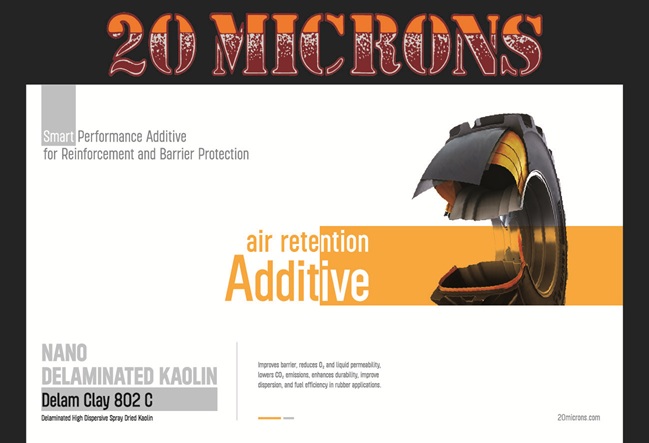
“Radial tyres require improved air retention and reduced permeability. Our delaminated nano kaolin enhances these properties. We developed a product in which each particle is separated layer by layer rather than mechanically crushed,” Mishra explained.
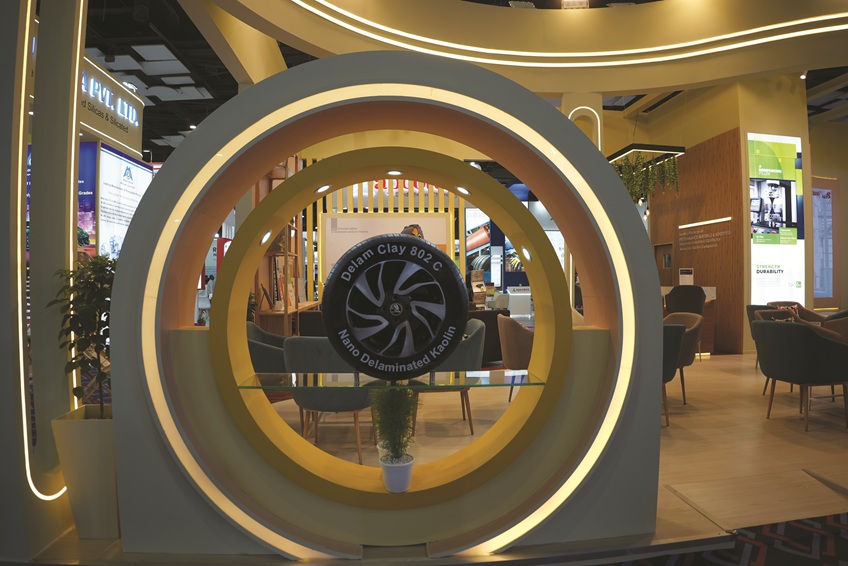
The company recognised that global tyre manufacturers such as Bridgestone were importing similar materials from suppliers like Imerys, encouraging it to approach Indian tyre makers.
“Our first engagement was with CEAT, where the product delivered encouraging results. This was largely due to the superior quality of Indian China clay. Following CEAT’s success, we approached JK Tyre and Apollo Tyres. After two to three years of trials and validation, our product was approved and commercial supplies began,” Mishra said.
The company is now in discussions with Bridgestone, which currently imports these materials, and securing a position in its supply chain would mark a significant milestone.
MARKET OPPORTUNITY
India’s tyre industry is expanding rapidly. While the domestic market includes several major tyre manufacturers, the global supply side for speciality minerals remains concentrated among a few multinational players such as Imerys and Thiele. 20 Microns sees this as an opportunity to position itself as a global supplier.
“After establishing ourselves in India, we have started approaching international tyre manufacturers such as Pirelli and Iris Tyres, where approvals are currently underway. Globally, the transition towards radial and tubeless tyres is driving demand for such materials,” Mishra stated.
The company claims its products help reduce costs, provide reinforcement and partially replace carbon black while also supporting sustainability objectives.
Compared to carbon black or silica, the company’s product reportedly generates only around five percent of the associated carbon emissions, resulting in nearly 95 percent lower carbon output.
Additionally, the company operates its own mining facilities, where land restoration and environmental compliance form part of the extraction process.
“Around 15 percent of carbon black in tyres can be replaced with our product. Simultaneously, air impermeability improves by approximately 13–15 percent. Typical loading levels are around 15–20 percent. This means tyre manufacturers achieve carbon black replacement along with some reduction in rubber usage because improved air impermeability allows lower rubber consumption,” Mishra explained.
Beyond large tyre makers, the company is now targeting smaller manufacturers as well. Producers of two-wheeler and three-wheeler tyres have already begun adopting these solutions.
According to Mishra, several manufacturers have also expressed strong interest, with collaborative research and development activities underway to accelerate adoption.
However, he acknowledged that large-scale application in commercial vehicle tyres, where carbon black usage is significantly higher, will take time.
“Tyres are directly linked to safety, so manufacturers are understandably cautious. There is initial scepticism regarding whether replacing carbon black or introducing China clay-based fillers could affect mechanical performance. However, as successful implementation in passenger car radial tyres becomes more visible, adoption is expected to expand into commercial tyres as well,” he said.
STRENGTHENING THE SUPPLY CHAIN
Exports currently contribute around 18 percent of the company’s total revenue, with supplies reaching 86 countries across Europe and the Americas. Mishra expects demand for delaminated products to grow three to four times over the next three to four years.
The company operates mine-site plants for kaolin, while its primary facility is located in Bhuj, Gujarat, where mining operations span 168 hectares. One mine is operational, while another is awaiting environmental clearance.
Its facilities employ advanced technologies, including cryogenic magnetic separation systems, to remove paramagnetic and ferromagnetic impurities. The kaolin slurry is processed through specialised systems to produce ultra-pure material, ensuring high-quality output.
“Indian kaolin deposits naturally offer high aspect ratios and superior platy structures. This enables two major applications. First, delaminated kaolin improves permeability and reinforcement in tyres. Second, when calcined at 1200–1,400 degrees Celsius, it can partially replace titanium dioxide, especially in paints and plastics. While this market is smaller than tyres, it still offers considerable potential,” Mishra noted.
According to the company, competition in this niche segment remains limited globally, with only a handful of manufacturers producing such specialised materials. While China competes aggressively in standard grades, the delaminated segment continues to remain relatively niche.
Sustainability has become a key focus area, as the products are derived from naturally occurring minerals that require mining and processing, yet still offer a significantly lower carbon footprint.
The company’s long-term objective is to increase the share of mineral-based fillers in tyre formulations.
“Three additional products are currently under development, including amorphous silica from diatomaceous earth and nano silicates as green tyre fillers. Delaminated talc, already supplied as an anti-blocking agent for petrochemical applications, is also being positioned by some European players as a partial carbon black substitute,” Mishra revealed.
The company recently invested INR 1 billion, fully funded through internal accruals, towards expansion. It currently operates nine plants in India along with facilities in Malaysia and Vietnam
Delaminated production capacity, currently at 400 tonnes and fully utilised by three tyre customers, is being expanded to 1,000 tonnes in response to strong global demand.
Capacity expansion is also underway in the petrochemical segment to cater to rising demand for anti-blocking agents. The company has acquired mineral assets and land in Anantapur for a talc and dolomite plant serving both tyre and non-tyre sectors, while calcium carbonate operations are being expanded in Makrana.
Expansion of the Malaysian subsidiary is expected to be funded through debt and private equity following mining asset acquisitions.
GLOBAL AMBITIONS AND FUTURE CHALLENGES
Export opportunities remain a key focus, particularly in Europe and other global markets.
“Our strategy is to first establish a strong domestic base and then expand globally through direct engagement with international manufacturers as well as distributor networks. The overseas expansion of Indian tyre companies is also creating opportunities, as approved supplier bases are being extended internationally,” Mishra said.
At the international level, concerns persist regarding the impact of replacing carbon black with China clay-based fillers on mechanical performance. However, awareness of similar global products already exists, and the company believes its 50–60 percent cost advantage could support gradual adoption despite lengthy validation cycles.
In the electric vehicle tyre segment, progress has so far been limited. Nevertheless, mineral-based fillers are recognised for offering improved flame-retardant properties, which could create future opportunities.
“Traditionally, adoption cycles in the tyre industry have been lengthy, typically taking around three years from laboratory testing to commercialisation. However, this approach is evolving following the Paris Agreement, with sustainability and circular economy goals driving greater openness towards green tyres. Artificial intelligence is also being leveraged to accelerate innovation, enhance testing and improve supply chain efficiency,” Mishra observed.
At the same time, challenges remain. The company also highlighted how readily mineral-based innovations can be replicated, leading to intensifying competition in the value-added minerals segment, where fillers are increasingly positioned as performance enhancers. While India continues to hold strength in China clay, talc, mica resources, and continues to export aggressively, imports of calcium carbonate from countries such as Malaysia, Vietnam and Egypt are also increasing.
Even as the Atmanirbharta wave drives innovation and global ambition, challenges related to validation cycles, performance concerns and rising competition persist. The ability to scale sustainably, protect innovation and build global trust will determine whether India’s mineral-based solutions evolve from cost-efficient alternatives into indispensable components of next-generation tyre manufacturing.
Continental Posts Stronger Q2 Profit As Tyre Business Enters Final Phase Of Strategic Overhaul
- By Sharad Matade
- August 04, 2026
Continental reported a sharp rise in second-quarter operating profit as improved tyre profitability and cost discipline offset a subdued global market, while the German group moved closer to completing its transformation into a pure-play tyre manufacturer.
The company posted consolidated sales of EURO 4.4 billion for the three months to 30 June, down 9.1 percent from a year earlier, largely reflecting the sale of its Original Equipment Solutions (OESL) business in February. On an organic basis, sales slipped 0.3 percent.
Adjusted earnings before interest and tax (EBIT) rose 35.1 percent to EURO 570 million, lifting the adjusted EBIT margin to 12.9 percent from 9.6 percent a year earlier. Adjusted free cash flow improved to EURO 216 million from negative EURO 46 million in the corresponding period of 2025. Net income, however, fell 45.9 percent to EURO 274 million, mainly because of the spin-off of Aumovio.
In early July, Continental signed an agreement to sell its ContiTech division to Lone Star Funds, marking what it described as the final stage of its strategic realignment. As a result, ContiTech will now be treated as a discontinued operation and excluded from the group's consolidated outlook.
"We continued our positive momentum. In the Tires group sector, we achieved a good earnings margin in the second quarter, exceeding our outlook for 2026. This puts us on track to meet our expectations for the year. In early July, we also signed an agreement to sell ContiTech. Now, we are in the final phase of our realignment as a pure-play tyre manufacturer," said Chief Executive Christian Kötz.
Chief Financial Officer Roland Welzbacher said improved profitability was driven by a greater share of tyres measuring 18 inches and above, lower impacts from exchange rates and tariffs, favourable raw material prices and strict cost discipline. He added that the company expected raw material costs to rise significantly during the second half of the year and had already taken measures to address the increase.
"We significantly increased our profitability and free cash flow. The main drivers for tyres were a higher share of tires measuring 18 inches and above, lower impacts from exchange rates and tariffs, and positive effects from raw-material prices. For the second half of the year, however, we expect raw-material costs to increase substantially and have already taken steps to address this," Welzbacher said.
Continental said market conditions remained challenging during the quarter. The European replacement tyre market for passenger cars and light commercial vehicles grew by 3 percent, supported by imports, while the North American market declined by 1 percent. Global vehicle production also fell by about 1 percent year on year.
The tyres division generated sales of EURO 3.3 billion, broadly unchanged from a year earlier, with organic sales rising 0.3 percent. Its adjusted EBIT margin increased to 15.3 percent from 12.1 percent, supported by a stronger mix of premium tyres, favourable raw material prices and lower impacts from exchange rates and tariffs.
During the quarter, Continental announced several investments aimed at strengthening its tyre operations. These included a company-owned wind farm at its Korbach plant in Germany, a new automated warehouse in Mount Vernon, Illinois, and expanded tyre production capacity at its Rayong plant in Thailand.
Looking ahead, Continental expects continuing operations to generate sales of EURO 13.2 billion to EURO 14.2 billion in 2026, with an adjusted EBIT margin of 12.0 to 13.5 percent.
Goodyear Debuts Motor City Garage And Double Blimp Display For 2026 Woodward Dream Cruise
- By TT News
- August 04, 2026
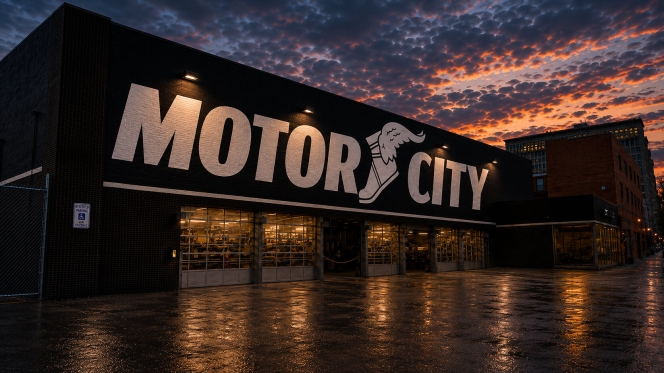
Goodyear is set to debut its first retail concept store in Detroit, the Goodyear Motor City Garage, just in time for the 2026 Woodward Dream Cruise. The opening coincides with a historic aerial display, as two Goodyear Blimps will fly over the Motor City for the first time in nearly two decades. This dual-blimp appearance will provide a bird's-eye view of the automotive spectacle, which annually draws over 40,000 classic vehicles and more than one and a half million enthusiasts.
The new garage will open on 15th August at eight in the morning at 3075 East Grand Boulevard. This specialised auto service centre functions as a hub for car culture, similar to destination retail concepts like a Starbucks Reserve Roastery. While offering expert services such as tyre sales, oil changes, alignments, brake service and battery replacement, the space also showcases the company’s technological innovations and storied heritage.

A custom Detroit-themed Eagle racing tyre, laser-carved with a tribute to the city, will be on display alongside a 1973 Ford Mustang convertible from ‘The Mary Tyler Moore Show’ and a 1977 Pontiac Firebird Trans Am ‘Bandit’. The Dream Cruise weekend will also feature new remote-controlled mini blimps, with further details to be announced on social media. The event honours Detroit engineers who once raced along Woodward Avenue, and Goodyear’s ties to the city date back to the early 1900s when Henry Ford collaborated with the company.

The Motor City Garage exemplifies Goodyear’s broader transformation, which includes approximately 1,500 new products planned for 2026 and a focus on higher-performance tyres. As the only major tyre manufacturer headquartered in United States, based in Akron, Ohio, Goodyear is striving to become more consumer-focused and digitally connected. The company also offers mobile installation service in 28 markets, including Detroit, allowing for tyre servicing at customer locations. Woodward Avenue remains a symbolic stretch where millions of Goodyear tyres have left their mark.
Mark Stewart, CEO, Goodyear, said, "Some of the best vehicles in the world have been laying down Goodyear rubber in Detroit since Henry Ford put them on his 999 race car in 1901. From track to tarmac to trail, Goodyear makes tyres worth bragging about, and we'll be doing just that during the Woodward Dream Cruise. Whether you're an enthusiast looking for ultra-high performance or just need help picking the best tyres to get your SUV through the school pick-up line, we're looking to show you how easy Goodyear can make vehicle care. Detroit's car culture makes it the perfect place to showcase our new retail concept alongside our Mobile Garage service that can install tyres and service your vehicle right in your driveway."
Bridgestone India Celebrates Three Decades Of Manufacturing And Mobility Leadership
- By TT News
- August 04, 2026
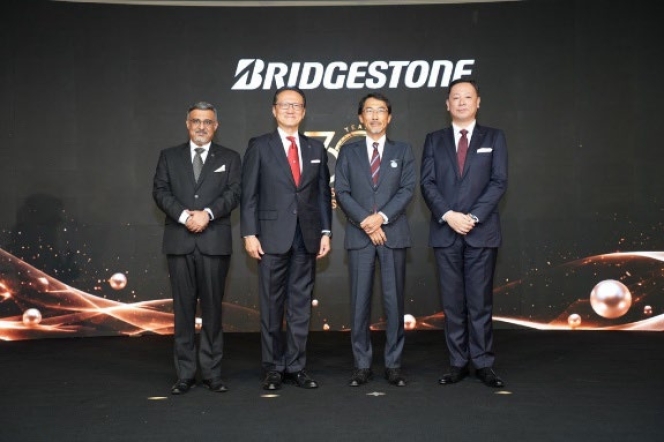
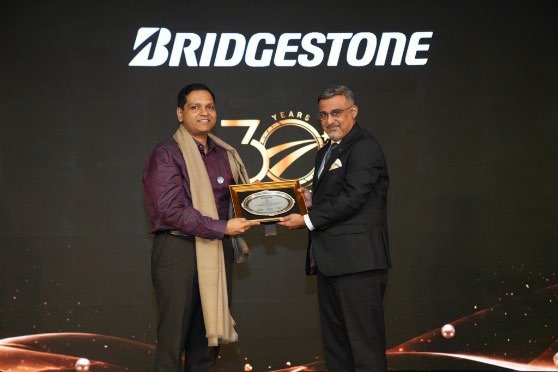
Bridgestone India, a subsidiary of Japan’s Bridgestone Corporation, has marked three decades of operations in the country with a commemorative ceremony in New Delhi. The event functioned as a strategic review of the company’s deep-rooted presence in the region, bringing together a wide array of automotive executives, government officials and supply-chain collaborators. Senior management used the occasion to reaffirm the organisation's long-term commitment to the subcontinent, highlighting the mutual growth achieved through sustained industrial cooperation.
The ceremony was elevated by the presence of the Japanese Ambassador to India, H.E. ONO Keiichi, who acted as the guest of honour for the evening. His attendance underscored the diplomatic and economic importance of the bilateral ties that have supported the company’s expansion. During the proceedings, Bridgestone formally acknowledged the critical role played by its local allies and manufacturing partners, whose operational support has been fundamental to navigating the competitive Indian automotive landscape over the decades.
While the celebrations looked towards the future, they also provided a moment to evaluate the company’s evolutionary path within the country. The initial foray into India began with commercial activities in 1996, but the true industrial footprint was established two years later when production commenced at the Pithampur complex in Madhya Pradesh. Subsequent capacity enhancements, notably the 2013 addition of the Chakan facility near Pune, allowed the firm to scale its operations to meet the surging domestic demand for diversified tyre products.
In a bid to stay ahead of technological curves, Bridgestone inaugurated a specialised Satellite Technology Centre at its Pune site in 2025. This research hub is designed to localise the development of premium-grade tyres, concentrating on the entire lifecycle from raw material experimentation to final product engineering for Indian roads. This strategic move is intended to embed advanced research capabilities directly within the local manufacturing ecosystem, ensuring that regional offerings align with global ‘Dan-Totsu’ quality standards.
As the company transitions into its next operational decade, leadership is pivoting towards a robust agenda centred on sustainable transportation and digital mobility solutions. The firm currently supplies a comprehensive portfolio covering passenger vehicles, heavy-load trucks and off-road machinery, all engineered for local climatic and road conditions. With a strengthened technological base and a mature distribution network, Bridgestone India is positioning itself to be a primary catalyst in the country’s ongoing infrastructure modernisation and vehicular safety evolution.
H.E. ONO Keiichi, Ambassador Extraordinary and Plenipotentiary to India & the Kingdom of Bhutan, said, “Bridgestone India's 30-year journey is not merely the story of the growth of a company; it is also a symbol of the success of Japan-India economic cooperation. Since its establishment in 1996, the company has grown alongside the Indian market and has made significant contributions to India's industrial development and the evolution of mobility through its investments in plants in Madhya Pradesh and Maharashtra.”
Ankit Asthana, IAS, Additional Managing Director, Madhya Pradesh Industrial Development Corporation, said, “The story of Bridgestone in Madhya Pradesh is not merely the success of one company; it is an example of how visionary corporate leadership and responsive governance can together create lasting economic and social value. This collaboration has not only contributed to the company’s growth but has also strengthened the industrial ecosystem of our state by generating employment, supporting ancillary industries and promoting responsible manufacturing.”
Nobuyuki Tamura, Member of the Board, Representative Executive Officer, EAST CEO, Bridgestone Corporation, said, “The first 30 years established a strong foundation, and the next 30 years will create new possibilities. Throughout our journey in India, we have remained guided by our Mission, ‘Serving Society with Superior Quality’, and our commitment to creating value for society through safety, sustainability, innovation and quality. India today plays a significant role in Bridgestone’s regional and global growth strategy. Looking ahead, we will further strengthen our commitment to India, including through the previously announced passenger car tyre expansion plan, preparations for which are already underway, while continuing to enhance our R&D capabilities to meet the increasingly sophisticated needs of the Indian market. Together with our partners and stakeholders, we will continue to innovate, grow and contribute to a safer, more sustainable and more connected future of mobility.”
Rajarshi Moitra, Managing Director, Bridgestone India, said, “Bridgestone India has contributed to India's growth through investment, employment generation, manufacturing excellence, technology development, local sourcing and skill development. As we enter the next phase, our focus will remain on translating Bridgestone's global capabilities into locally relevant products and solutions, strengthening responsible manufacturing, deepening partnerships across the automotive value chain, and addressing the evolving needs of mobility, society and the environment.”
Yokohama Rubber Confirms Major Tyre Supply Role For Upcoming AXCR In Thailand
- By TT News
- August 04, 2026
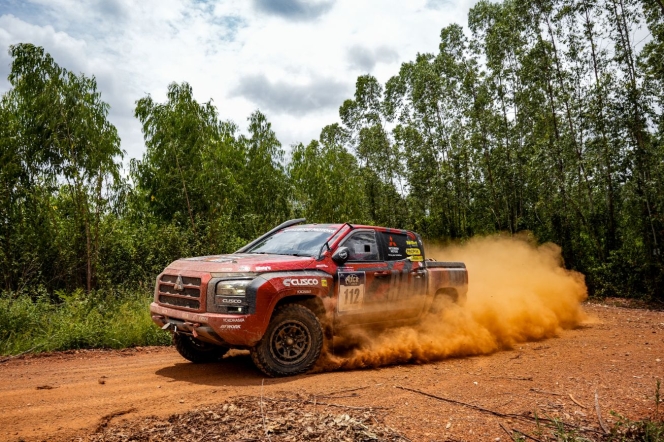
The Yokohama Rubber Co., Ltd., has confirmed its role as the official tyre supplier for a significant portion of the upcoming Asia Cross Country Rally (AXCR), with 12 competing teams and 20 vehicles set to utilise its GEOLANDAR M/T G003 mud-terrain tyres. The 2026 edition of Asia’s largest cross-country rally is scheduled to take place from 10 to 15 August 2026. This announcement follows a dominant streak for the tyre manufacturer, as vehicles equipped with GEOLANDAR tyres have secured the overall championship in three of the last four rallies, with victories in 2022, 2023 and 2025.
Among the prominent contenders receiving support is the defending champion, Team Mitsubishi Ralliart, which triumphed in 2025 and also claimed the title in 2022. The team is entering three Mitsubishi Triton pickup trucks for this year’s race, with a driver lineup that includes Chayapon Yotha, a two-time overall champion, Katsuhiko Taguchi and Kazuto Koide. The squad is aiming for consecutive victories on the Yokohama tyres.
Additional leading teams will also compete on the GEOLANDAR tyres, including TOYOTA GAZOO RACING INDONESIA, which previously achieved a championship and second-place finish in 2023 with its Toyota Fortuner. The roster of supported teams further includes the GEOLANDAR FORTUNER takuma-gp, driven by 2023 champion Takuma Aoki, the ISUZU SUPHAN TRANE TITANIUM YOKOHAMA NEXZTER RALLY TEAM, which is expanding to three vehicles after a fourth-place finish last year, and CUSCO Racing with two entries. Yokohama Rubber is also extending its support to diverse teams, including those featuring female drivers.
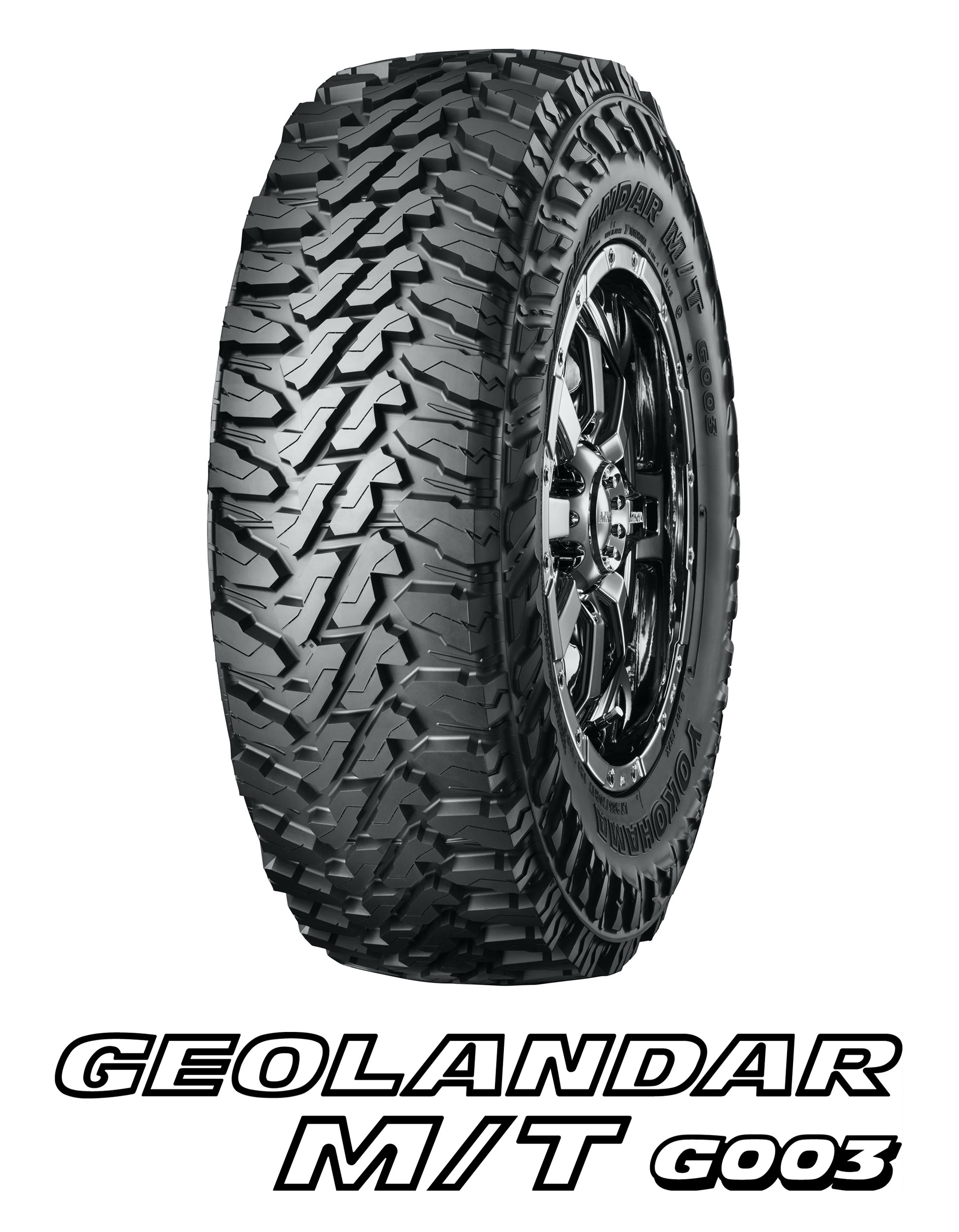
The GEOLANDAR M/T G003 tyre is distinguished by its robust and aggressive design, providing superior traction and durability across challenging off-road surfaces such as mud, gravel and sand. The tyre’s extended lifespan and reliable performance on varied terrain have been consistently validated in numerous international off-road competitions, reinforcing the brand’s reputation in the rally community.
The AXCR, first held in 1996 and officially sanctioned by the FIA, is a gruelling event comparable to the Dakar Rally. For 2026, the rally will be entirely hosted within Thailand, covering an approximate 2,000-kilometre route from Pattaya to Phitsanulok. Competitors will navigate a demanding assortment of landscapes, including mountainous regions, dense jungles, coastal beaches and agricultural plantations, testing both vehicle and tyre durability to the limit.
Comments (0)
ADD COMMENT