

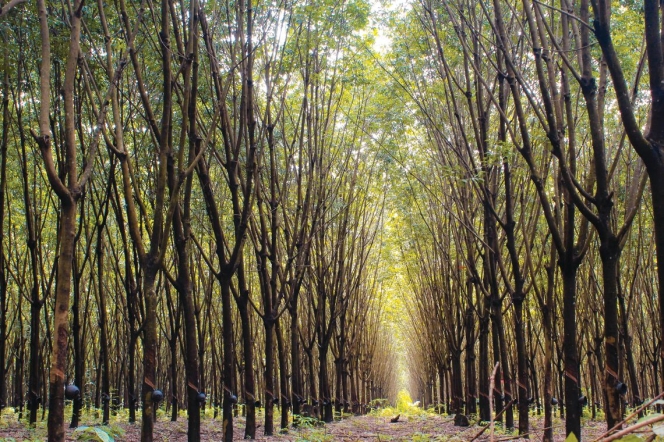
Just concluded 2021 will stand out as a defining year for the tyre industry in India as it embarked upon an ambitious initiative – Charting a path to greater raw material security by attaining self-reliance in natural rubber (NR) availability.
The journey to become self-reliant is not new for the Indian tyre industry. The industry was amongst the first ones to become self-sufficient much before the slogan of being Atma Nirbhar was coined. For years, India has been producing practically all the tyres it requires making it one of the few countries that are self-dependent in tyre manufacturing. Much before a vehicle is rolled out, the tyre Industry is ready with the fitments having worked out specifications and standards to the minutest details.
While India has developed globally competitive tyre manufacturing capabilities, realising the vision of being Atma Nirbhar necessitates achieving self-sufficiency of the entire value chain in view of strong backward and forward linkages.
In this context, the ATMA NR project, launched during the year, attains all the more importance. Natural rubber is a key raw material for the Indian tyre industry. Unlike the global scenario where the ratio is skewed in favour of synthetic rubber, Indian industry stands out for its unique preference for NR.
However, NR demand has been outstripping domestic supply and the gap is widening. Going forward, the situation may become more challenging for the NR Consuming interests. Imports may not be sustainable considering the strategic importance of NR as raw material and also in view of large outflows of foreign exchange that the Government has been trying to discourage.
As one of its kind initiatives that could hold a template for several other raw material intensive sectors, the NR Project is designed to implement the scheme for developing a substantial 200,000 hectares of rubber plantations in the North Eastern states financially supported by major tyre companies, represented by ATMA with technical support and coordination by the Rubber Board.
This collaborative project in PPP mode involving tyre majors, Rubber Board and financing institutions is a landmark initiative where the consuming industry would be contributing directly to the development of plantation.
The project took off early in the year with a visit to the North East (Tripura, Meghalaya & Assam) by top leadership from ATMA Member companies along with Dr KN Raghavan, Executive Director of Rubber Board in February 2021 to get a first-hand understanding of ground level situation and connect with state leadership and policy makers.
Minister for Commerce & Industry (CIM), Government of India Piyush Goyal has been the prime motivating force, mentoring the project at every step right from the inception. A meeting convened by the Minister in the month of June 2021 discussed threadbare the launch of the project and the road ahead. The CIM proposed a meeting with the chief ministers of North-Eastern states to take them on board, seek their full support and fast track the project. The CIM even offered to speak to the CMs to inform them about the wider benefits of the NR Project for their respective states.
Since availability of planting material locally in North East states was a challenge, plans were made to transport the saplings from Kerala to the North East by rail. Few thousand saplings were initially sent as a pilot which reached Guwahati in good condition.
It was an emotional moment for all the stakeholders in natural rubber sector, when the first full consignment was sent by a special train 'Bharathappuzha - Brahmaputra Rubber Express', to Azara, Guwahati, from Thiruvalla Railway Station on 10th July 21. It carried 1.33 lakh rubber saplings packed in specially designed cartons. These saplings were distributed in the NE states for planting in the identified areas.
Eventually, Biplab Kumar Deb, Chief Minister of Tripura formally launched the NR Project under Chief Minister's Rubber Mission on 14th August 21 at Pathaliaghat in Sepahijala district of Tripura and the project is shaping up well ever since.
India has emerged as a front runner as the world pursues alternatives to China in the field of manufacturing. Given the spirit of entrepreneurship backed by the policy reforms, the country is poised to play its due role in the global supply chains.
At the same time, the need for raw material security cannot be over emphasised as India looks to become the manufacturing hub of the world. It goes to the credit of the Government that it has shown keen interest in enabling policies to encourage domestic manufacturing, including tyre and allied sectors.
The fact that the ATMA NR Project could see the light of the day under the shadow of ongoing pandemic says a lot about the commitment of all the stakeholders to fight against odds. That surely augurs well for raw material security and sustainability as we welcome the New Year.
- AZuR Network
- German Award for Sustainability Projects
- Tyre Retreading
- Retreading: Climate Protection on Wheels
AZuR Wins German Award For Sustainability Projects 2026 For Tyre Retreading Project
- By TT News
- September 19, 2026
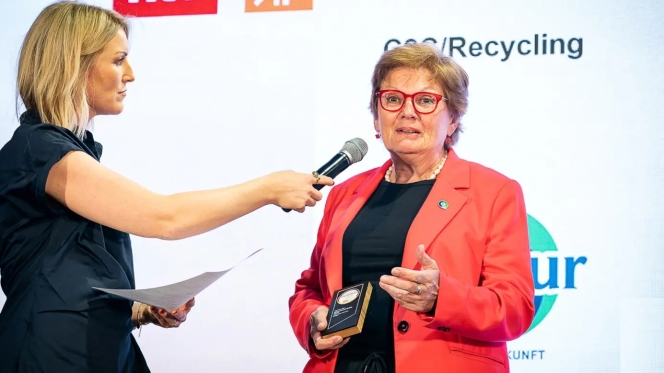
The AZuR Network has been honoured with the German Award for Sustainability Projects 2026 in the C2C/Recycling category for its ‘Retreading: Climate Protection on Wheels’ project. The recognition highlights the network's efforts to expand tyre retreading across Germany and Europe, thereby extending the useful life of tyres. Retreading works by reusing a suitable used tyre casing and applying a fresh tread, keeping a substantial share of the original tyre in circulation.
A life cycle assessment commissioned by AZuR and carried out by the Fraunhofer Institute UMSICHT compared retreaded tyres with equivalent new ones. Under the conditions examined, producing a retreaded truck tyre generated roughly 135 kilogrammes less greenhouse gas emissions, a reduction exceeding 60 percent. The process also reuses considerable portions of the existing tyre casing, reinforcing its environmental advantages.
The jury underscored the project's scalability and its relevance to the industry. Official documentation further noted the political integration of the topic as a key strength, with the EU taxonomy confirmation in 2025 representing a tangible milestone. The award places AZuR among well-known companies and innovative projects, including a climate protection cooker initiative in Cameroon, a capsule-free coffee system and a mental health awareness campaign.
Knauf secured first place in the same category with its circular gypsum supply chain, while Schmitz Cargobull led the Mobility and Logistics Solutions category. Other first-place winners included DEKRA, Hansgrohe, Pfleiderer Germany and SBRS. Presented by DISQ with ntv and DUP UNTERNEHMER under Brigitte Zypries' patronage, the 2026 edition saw 433 nominations, with 46 organisations recognised across 19 categories on 17 September in Berlin.
Christina Guth, Network Coordinator, AZuR, said, “This award belongs to our entire network. Retreading only works when many stakeholders collaborate along the value chain – from certified end-of-life tyre recyclers, tyre manufacturers and retreaders to retailers and fleet operators, all the way to academia. The award highlights the potential of using high-quality tyres for longer and keeping their casings in circulation.”
Birla Carbon To Showcase Sustainable Carbon Black Solutions At Global Polymer Summit 2026
- By TT News
- September 18, 2026

Birla Carbon will present its carbon black solutions at the Global Polymer Summit 2026, scheduled for 28–30 September at the Kentucky International Convention Center in Louisville. The company will exhibit at Booth 417, targeting tyre and mechanical rubber goods (MRG) manufacturers seeking higher performance and reduced environmental impact.
The company’s portfolio spans tyre and MRG applications, addressing durability, strength, abrasion resistance and product life across tyres, belts, hoses, sealing systems and anti-vibration products. Birla Carbon will also feature Continua Sustainable Carbonaceous Material (SCM), a circular carbon range with consistent quality and global availability and Continua Sustainable Carbon Black (SCB), produced from recycled or bio-based feedstocks.
Supported by extensive manufacturing, technical expertise and customer-focused teams across the Americas, Birla Carbon provides reliable volumes, responsive service and tailored solutions. Attendees can meet company experts at Booth 417 to explore its product portfolio, technical capabilities and sustainable offerings.
John Davidson, President – Americas & EMEA, Birla Carbon, said, “The tyre and mechanical rubber goods industries are at an important phase, where performance, supply resilience and sustainability must advance together. The next phase of growth will depend on stronger collaboration across the value chain and the ability to translate innovation into scalable, commercially viable solutions. At Birla Carbon, we are combining our manufacturing network, portfolio strength, technical expertise and regional capabilities to help customers navigate this transition and build more resilient and sustainable businesses.”
Michelin Launches X Multi Energy D2 Tyre For Regional Haul Fleets
- By TT News
- September 18, 2026
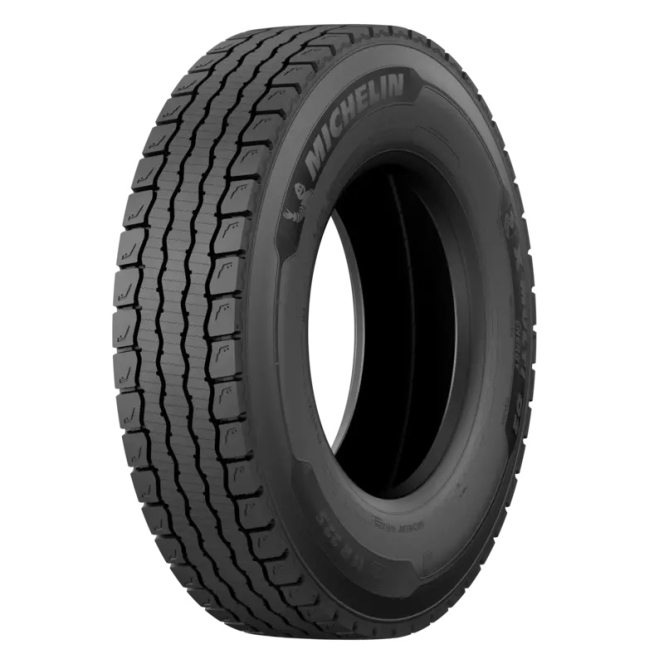
Michelin has unveiled the X Multi Energy D2 tyre, developed to address the specific challenges of regional haul operations. Fleets in this segment face demanding roads, frequent stop-and-start cycles and escalating fuel expenses that affect both performance and profitability. By blending durability, fuel savings and Michelin’s established performance standards, the new tyre aims to boost fleet productivity while reducing overall operating costs.
The tyre features a revised tread pattern and a new tread compound to better resist tread damage caused by high-torque vehicles and stop-and-go regional driving. It is constructed on Michelin’s Duracore casing, which integrates Infinicoil and Powercoil technologies and benefits from a reinforced bead design known as Duracoil Technology. This casing is engineered to last up to one million miles and support as many as four retreads.
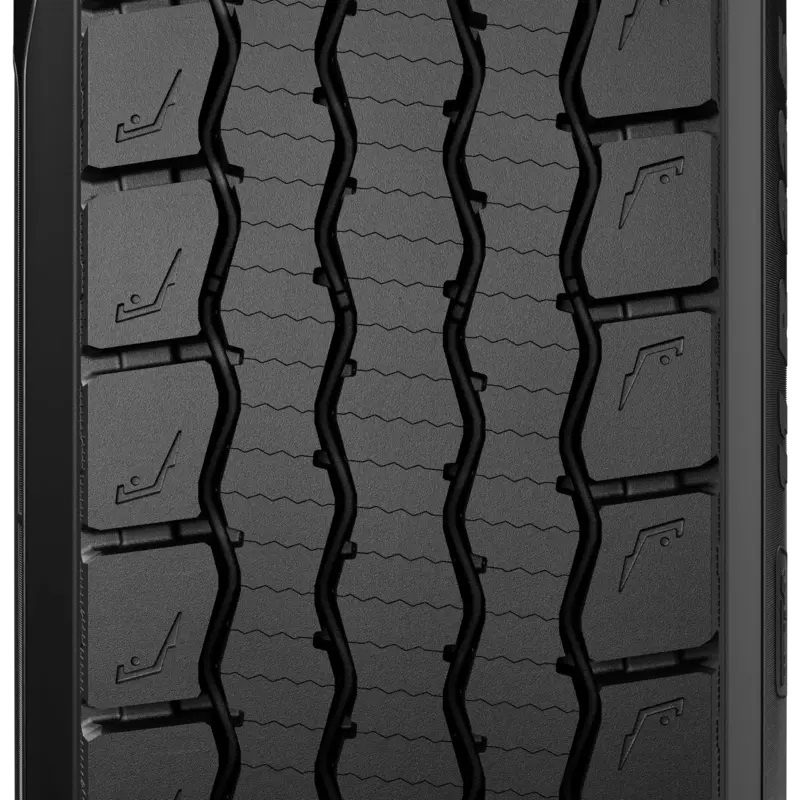
In the effort to curb fuel expenses, the X Multi Energy D2 improves rolling resistance by 9 percent over its predecessor, the Michelin X Multi Energy D tyre, and by 18 percent compared with leading competitors. It also enhances late-life traction, offering 10 percent better wet handling and 16 percent better snow starting traction when worn, giving drivers and operations managers greater confidence on varying roads.
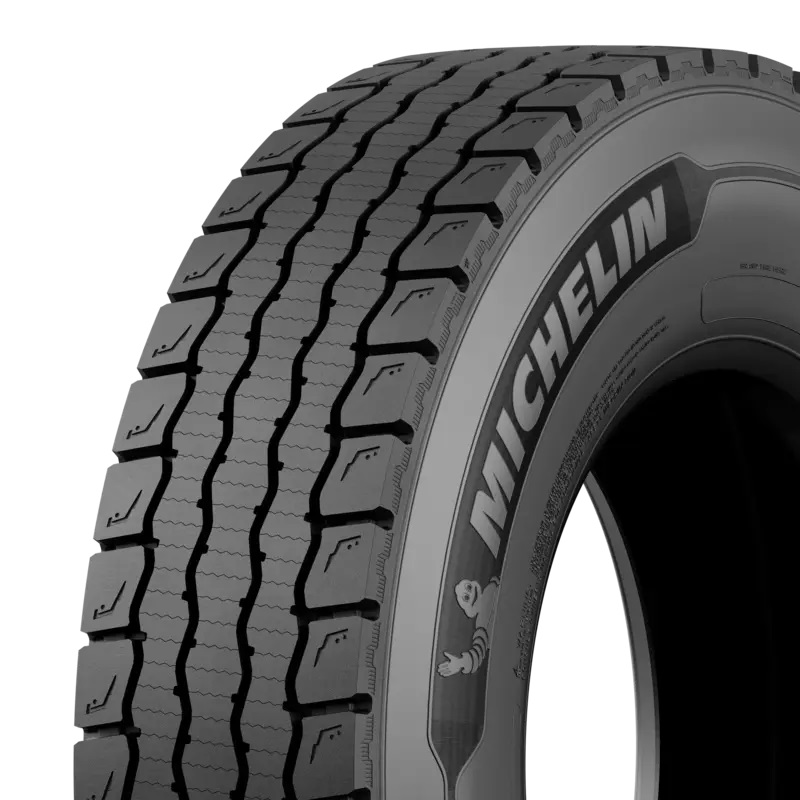
For original equipment manufacturers, the tyre meets Greenhouse Gas standards and supports applicable vehicle carbon-reduction requirements. Designed for regional applications where traction, durability and fuel efficiency matter, it is available in 295/75R22.5 LRG and 11R22.5 LRG and LRH sizes, replacing the X Multi Energy D tyre in those sizes.
Yahn Heurlin, VP of B2B Marketing, Michelin North America, Inc., said, “Michelin is driven by a deep commitment to understanding the needs and challenges customers face every day. This customer-first mindset inspires the development of purpose-built solutions designed to address real-world pain points and help fleets operate more efficiently.”
Firestone Launches Destination LE4 Highway Touring Tyre
- By TT News
- September 18, 2026
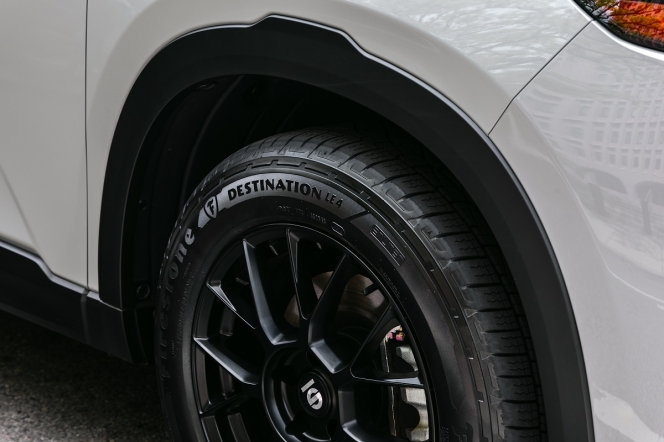
Firestone, a Bridgestone Americas subsidiary, has unveiled the Destination LE4 highway touring tyre as the successor to its best-selling Destination LE3. The new model features a deeper tread depth, an advanced compound and a non-directional tread pattern, delivering longer wear life along with improved wet and light snow performance for year-round driving confidence.
Backed by a 70,000-mile limited warranty, the Destination LE4 is projected in external testing to wear 16 percent longer than its predecessor, 9 percent longer than the General Grabber H/T and 43 percent longer than the BFGoodrich Advantage Control HT. Thinner 3D sipes enhance traction and handling, while internal testing showed wet stopping distances reduced by 8 feet versus the Toyo Open Country H/T II and 4 feet versus the BFGoodrich Advantage Ctrl HT, with dry stopping improved by 8 feet and 2 feet, respectively, plus a 2-foot dry gain over the LE3.
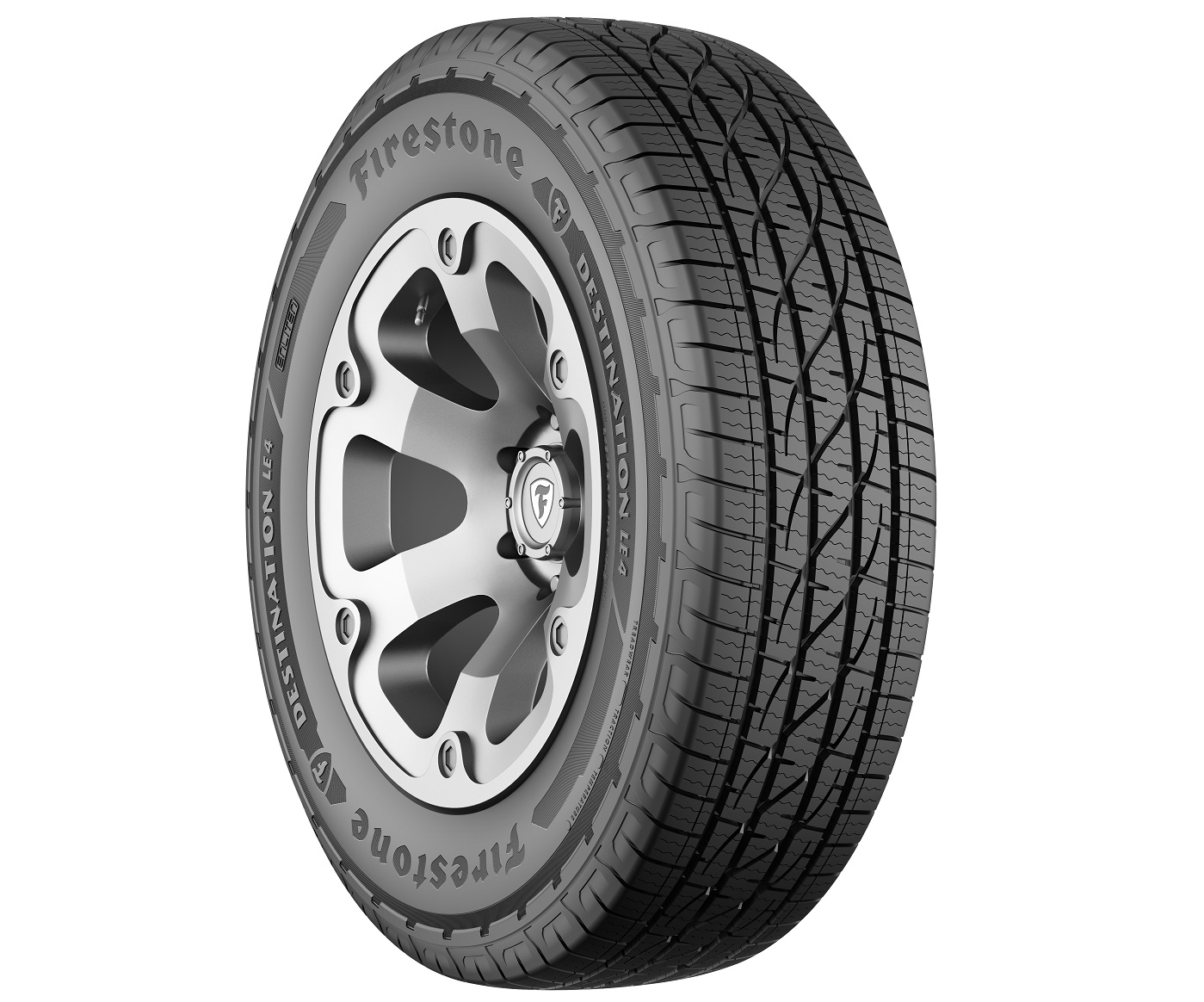
Sustainability gains come through wear-resistance technology, optimised material usage that lowers raw material consumption and enhanced traction technology. Two technical firsts originated at the Bridgestone Americas Technology Center in Akron, Ohio: a high-strength, lightweight carcass architecture using light body plies and steel cords for durability and low rolling resistance despite deeper tread, and advanced compound mixing that improves ingredient consistency for tread wear, handling and wet grip.
Available in 65 sizes for 15- to 22-inch rims, the Destination LE4 covers small CUVs, SUVs, pickups and larger trucks, including the Mazda CX-5, Ford F-150, RAM 1500, Chevrolet Trailblazer and Nissan Armada.
Jeremy Norwood, Chief Engineer, New Product Engineering, Bridgestone Americas, said, “Drivers loved the Firestone Destination LE3 for its comfortable, quiet ride and all-season reliability. With the new Destination LE4, we enhanced those strengths by extending wear life and improving wet-weather handling, delivering dependable performance, confident control and everyday value.”

Comments (0)
ADD COMMENT