

Tyre Maintenance Tips To Follow Before Planning A Long Ride
- By Maxxis Tyres
- July 16, 2021

Since the coronavirus pandemic struck us in 2020, we have been adjusting ourselves to the new normal. No concerts, no sporting events, no festivals, no large gatherings, no fun! Well, not exactly. With the lifting of the lockdown, the roads are already loaded up with vehicles and people are trying to escape the chaos to find peace and solitude in nature. A long bike ride is a perfect escape from the bustling city streets and hectic schedules of everyday life.
Tyres are a vital part of the journey and ensuring that they are in top condition before hitting the road for a long road trip is a must. A good set of tyres also mean that the rubber is in good condition which helps with the ride quality of the vehicle.
Before you leave home, Maxxis Tyres recommends these simple steps to protect your vehicle and prepare for a delightful road trip experience: -
- Checking Tyre Air-Pressure: It is imperative to always check the tyre air inflation pressure of your vehicle in advance, as correct air pressure plays a key role in balanced braking, maximum grip and maximum tyre life. The part of the tyre in contact with the road is called the 'footprint'. Incorrect tyre pressures will cause a lack of traction, rapid wear and shorter tyre life. Ensure your tyres are filled with recommended air pressure as per your requirements – load- Solo/Dual Riding. Recommended air pressure can be checked by going through the ‘Vehicle Owner Manual’ or ‘Tyre Information’ sticker placed over the vehicle (fuel Tank/chain Set). Always make sure to use valve caps as it protects the valves not only from dirt and dust but also prevents air leakage.
- Checking for adequate Tread Depth: Proper tread depth helps to prevent tyres from aquaplaning/skidding and makes riding safer especially during wet weather conditions. Therefore, it is always advised to check the tyre tread depths of your vehicle. All we need to do is compare the tyre tread’s depth with ‘TWI: Tread Wear Indicator – Bars’ found in-between the tread grooves. If the tread depth has or nearly reached the TWI – raised bar height, then the tyre needs to be replaced and it will not be safe to ride, especially for longer routes where we require more traction due to high speed.
- Continuous Inspection of Tyre's Age: You can always check your vehicle’s tyres' age by simply searching for the four-digit -manufacturing code found on their sidewall. The first two number tells us the manufacturing week and last two numbers tell us the manufacturing year. Tyres are recommended to be replaced if they are more than 10 years old, no matter how much tread depth is left.
- Find and fix slow air-leakages: If you find your vehicle’s tyre deflating after every second day or every week, it may be due to slow gradual air leakage caused by minute cuts, rim bends, faulty puncture repairs, damaged valve or stem etc. This should be checked and resolved before you start your journey.
- Visual Inspection for cuts/damages: Visually inspect your vehicle’s tyres for any kind of crack or cut or bulge. If you find any, it is advised to show and discuss with a tyre expert of the nearest authorised dealer counter.
- Carry Emergency Tools: For emergencies, you should always carry a tyre inflator or a plug-in puncture repair kit to deal with issues involving tyre punctures.
TyreSafe And Staffordshire Police Join Forces To Boost Road Safety
- By TT News
- September 19, 2026
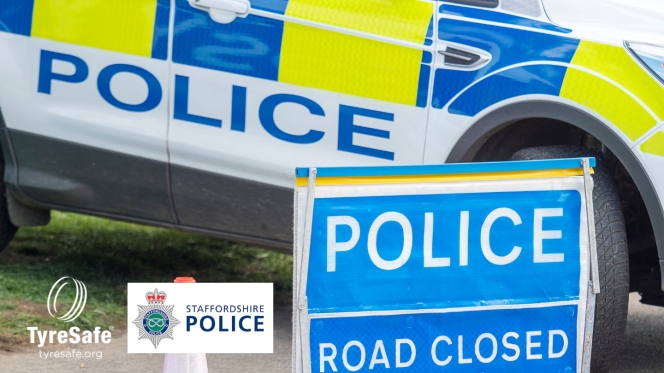
TyreSafe has entered a new partnership with Staffordshire Police, reinforcing a joint commitment to improve road safety and reduce fatalities and serious injuries across the county. The collaboration aims to highlight the critical role tyres play in protecting road users by encouraging simple, regular checks of pressure, tread depth and overall condition.
The value of this preventative approach was recently demonstrated during a multi-agency enforcement operation at the DVSA Vehicle Inspection Site in Doxey. Held on 25 August, Operation Doxey involved Staffordshire Police, West Mercia Police, DVSA, Datatag, the Forensic Collision Investigation Unit and TyreSafe. Inspectors directed 30 vehicles into the site, covering leisure vehicles, towing vehicles, light commercial vehicles and goods vehicles.
Seven tyre and wheel-related defects, mechanical risks and pressure discrepancies were identified. These included a tyre cut through to the cord, which received an immediate prohibition notice, a tyre running roughly 30 percent below recommended pressure, an overweight light commercial vehicle with a nail embedded in a tyre and all four tyres underinflated, a significant rear axle pressure imbalance, a missing wheel nut and an 11-year-old tyre. Leisure vehicle owners generally showed good tread awareness, though pressure maintenance remained an issue, while commercial vehicles presented several preventable defects.
Staffordshire has one of UK’s statistically safest road networks, yet serious collisions remain a concern, particularly on single carriageways. Rural bends, changing speed limits and limited visibility add risk, while motorcyclists and vulnerable road users are disproportionately affected. Common factors include failing to look properly, misjudging speed or path and driving too fast or carelessly. TyreSafe now works with over 260 organisations, and this partnership encourages Staffordshire motorists to make tyre checks routine.
Stuart Lovatt, Chairman, TyreSafe, said, “We are delighted to welcome Staffordshire Police as a TyreSafe partner. While Staffordshire has a strong road safety record, every serious collision has potentially devastating consequences for those involved, their families and their communities. The recent Operation Doxey enforcement activity demonstrates exactly why preventative vehicle maintenance matters. Across just 30 vehicles, inspectors identified a number of serious tyre and wheel defects, including a tyre cut to the cord, significantly incorrect tyre pressures, an embedded nail, a missing wheel nut and a tyre that was 11 years old.
“These findings are a powerful reminder that problems are not always obvious from behind the wheel. Simple checks before a journey can help identify issues before they become a danger on the road. Different roads present different challenges, particularly rural and single carriageway roads where the consequences of losing control or being unable to stop safely can be especially severe. Road safety requires a collective effort, and partnerships such as this are incredibly important. By combining the reach and expertise of Staffordshire Police with TyreSafe’s specialist knowledge and campaigns, we can help more road users understand the simple but crucial role their tyres play in keeping themselves and others safe.”
Police Sergeant Adam Van de Sande, Staffordshire Road Crime – Proactive & Harm Reduction Team, said, “Keeping people safe on Staffordshire’s roads requires everyone to play their part. We are committed to working with partners to reduce the number of people killed and seriously injured on our road network. Operation Doxey demonstrated the value of partnership working, with officers, vehicle examiners and road safety specialists able to identify a range of defects and safety issues before those vehicles continued their journeys.
“Vehicle safety is an important part of that responsibility, and tyres are fundamental to a vehicle’s ability to stop, steer and maintain grip. We are pleased to be working with TyreSafe to raise awareness and encourage motorists to make regular tyre checks part of their routine vehicle maintenance. Our message to road users is simple: don’t wait for something to go wrong. Take a few minutes to check your vehicle and make sure it is ready for the road.”
- AZuR Network
- German Award for Sustainability Projects
- Tyre Retreading
- Retreading: Climate Protection on Wheels
AZuR Wins German Award For Sustainability Projects 2026 For Tyre Retreading Project
- By TT News
- September 19, 2026

The AZuR Network has been honoured with the German Award for Sustainability Projects 2026 in the C2C/Recycling category for its ‘Retreading: Climate Protection on Wheels’ project. The recognition highlights the network's efforts to expand tyre retreading across Germany and Europe, thereby extending the useful life of tyres. Retreading works by reusing a suitable used tyre casing and applying a fresh tread, keeping a substantial share of the original tyre in circulation.
A life cycle assessment commissioned by AZuR and carried out by the Fraunhofer Institute UMSICHT compared retreaded tyres with equivalent new ones. Under the conditions examined, producing a retreaded truck tyre generated roughly 135 kilogrammes less greenhouse gas emissions, a reduction exceeding 60 percent. The process also reuses considerable portions of the existing tyre casing, reinforcing its environmental advantages.
The jury underscored the project's scalability and its relevance to the industry. Official documentation further noted the political integration of the topic as a key strength, with the EU taxonomy confirmation in 2025 representing a tangible milestone. The award places AZuR among well-known companies and innovative projects, including a climate protection cooker initiative in Cameroon, a capsule-free coffee system and a mental health awareness campaign.
Knauf secured first place in the same category with its circular gypsum supply chain, while Schmitz Cargobull led the Mobility and Logistics Solutions category. Other first-place winners included DEKRA, Hansgrohe, Pfleiderer Germany and SBRS. Presented by DISQ with ntv and DUP UNTERNEHMER under Brigitte Zypries' patronage, the 2026 edition saw 433 nominations, with 46 organisations recognised across 19 categories on 17 September in Berlin.
Christina Guth, Network Coordinator, AZuR, said, “This award belongs to our entire network. Retreading only works when many stakeholders collaborate along the value chain – from certified end-of-life tyre recyclers, tyre manufacturers and retreaders to retailers and fleet operators, all the way to academia. The award highlights the potential of using high-quality tyres for longer and keeping their casings in circulation.”
Birla Carbon To Showcase Sustainable Carbon Black Solutions At Global Polymer Summit 2026
- By TT News
- September 18, 2026

Birla Carbon will present its carbon black solutions at the Global Polymer Summit 2026, scheduled for 28–30 September at the Kentucky International Convention Center in Louisville. The company will exhibit at Booth 417, targeting tyre and mechanical rubber goods (MRG) manufacturers seeking higher performance and reduced environmental impact.
The company’s portfolio spans tyre and MRG applications, addressing durability, strength, abrasion resistance and product life across tyres, belts, hoses, sealing systems and anti-vibration products. Birla Carbon will also feature Continua Sustainable Carbonaceous Material (SCM), a circular carbon range with consistent quality and global availability and Continua Sustainable Carbon Black (SCB), produced from recycled or bio-based feedstocks.
Supported by extensive manufacturing, technical expertise and customer-focused teams across the Americas, Birla Carbon provides reliable volumes, responsive service and tailored solutions. Attendees can meet company experts at Booth 417 to explore its product portfolio, technical capabilities and sustainable offerings.
John Davidson, President – Americas & EMEA, Birla Carbon, said, “The tyre and mechanical rubber goods industries are at an important phase, where performance, supply resilience and sustainability must advance together. The next phase of growth will depend on stronger collaboration across the value chain and the ability to translate innovation into scalable, commercially viable solutions. At Birla Carbon, we are combining our manufacturing network, portfolio strength, technical expertise and regional capabilities to help customers navigate this transition and build more resilient and sustainable businesses.”
Michelin Launches X Multi Energy D2 Tyre For Regional Haul Fleets
- By TT News
- September 18, 2026
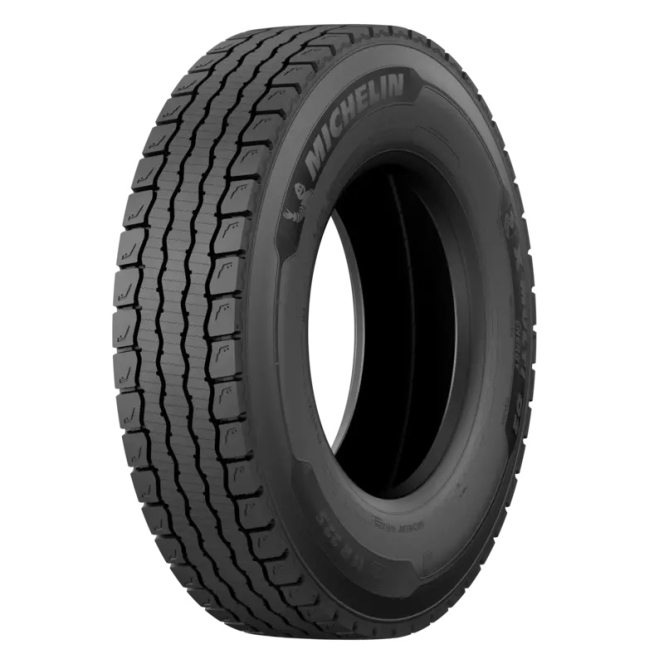
Michelin has unveiled the X Multi Energy D2 tyre, developed to address the specific challenges of regional haul operations. Fleets in this segment face demanding roads, frequent stop-and-start cycles and escalating fuel expenses that affect both performance and profitability. By blending durability, fuel savings and Michelin’s established performance standards, the new tyre aims to boost fleet productivity while reducing overall operating costs.
The tyre features a revised tread pattern and a new tread compound to better resist tread damage caused by high-torque vehicles and stop-and-go regional driving. It is constructed on Michelin’s Duracore casing, which integrates Infinicoil and Powercoil technologies and benefits from a reinforced bead design known as Duracoil Technology. This casing is engineered to last up to one million miles and support as many as four retreads.
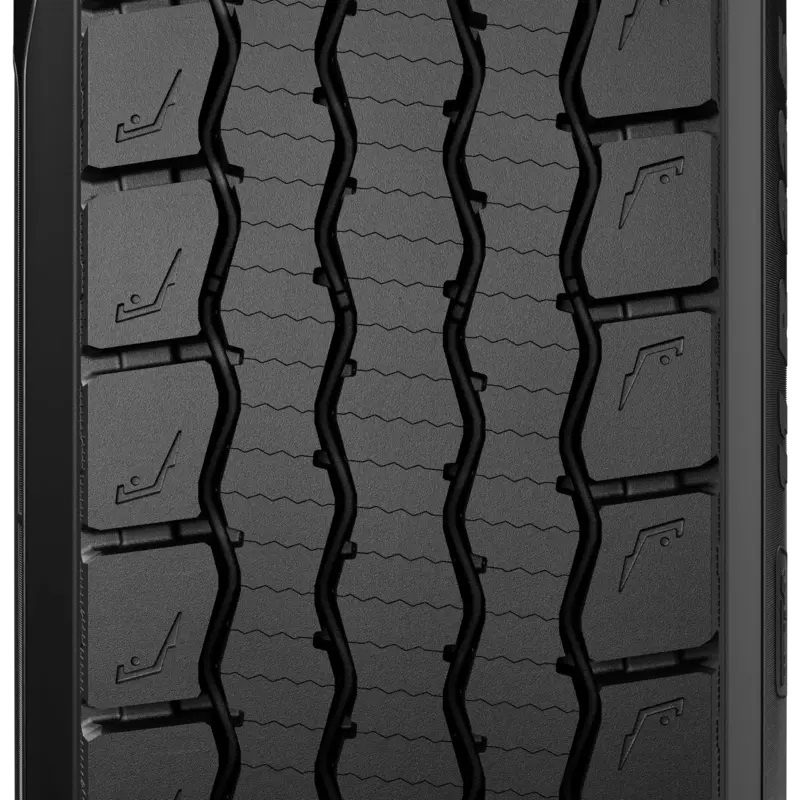
In the effort to curb fuel expenses, the X Multi Energy D2 improves rolling resistance by 9 percent over its predecessor, the Michelin X Multi Energy D tyre, and by 18 percent compared with leading competitors. It also enhances late-life traction, offering 10 percent better wet handling and 16 percent better snow starting traction when worn, giving drivers and operations managers greater confidence on varying roads.
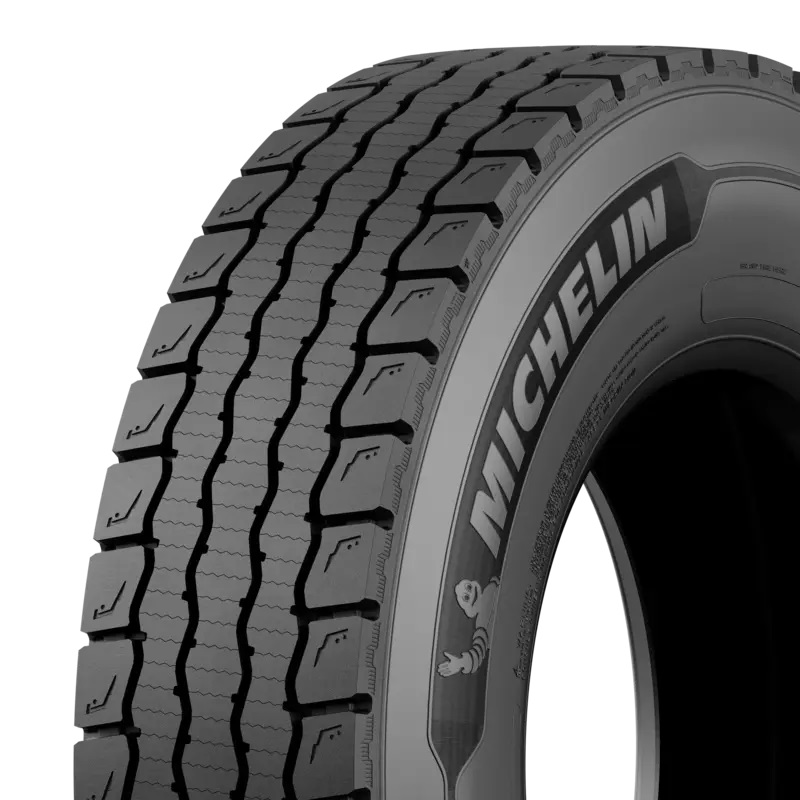
For original equipment manufacturers, the tyre meets Greenhouse Gas standards and supports applicable vehicle carbon-reduction requirements. Designed for regional applications where traction, durability and fuel efficiency matter, it is available in 295/75R22.5 LRG and 11R22.5 LRG and LRH sizes, replacing the X Multi Energy D tyre in those sizes.
Yahn Heurlin, VP of B2B Marketing, Michelin North America, Inc., said, “Michelin is driven by a deep commitment to understanding the needs and challenges customers face every day. This customer-first mindset inspires the development of purpose-built solutions designed to address real-world pain points and help fleets operate more efficiently.”

Comments (0)
ADD COMMENT