

Hankook’s Ventus Tarmac Rally Tyres Conquer Volcanic Asphalt As Ogier Dominates WRC Canarias
- By TT News
- May 06, 2026
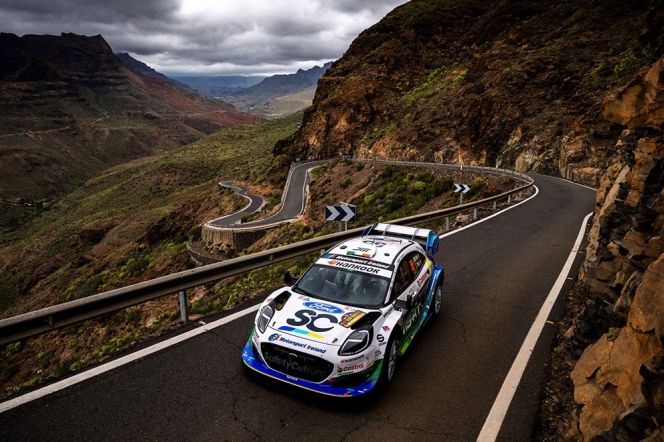
Hankook Tire, the exclusive tyre supplier for the FIA World Rally Championship, has concluded the fifth round of the 2026 season, Rally Islas Canarias, which took place from 23 to 26 April in Spain’s Canary Islands. For the demanding asphalt stages, Hankook provided its specialised Ventus Z215 and Ventus Z210 tarmac rally tyres, engineered to handle extreme conditions.
The event, first held in 1977, marked its 50th anniversary this year and its second edition as an official WRC round. Competitors tackled 18 special stages across Gran Canaria Island, centred around Las Palmas, covering approximately 322.61 kilometres. The course featured rough, high-abrasion volcanic asphalt with dramatic elevation changes, while dense fog and local rain above 1,000 metres made weather a decisive factor. The opening day’s Super Special Stage at the BP Ultimate Circuito Islas Canarias offered side-by-side racing, where small pace differences quickly altered positions.
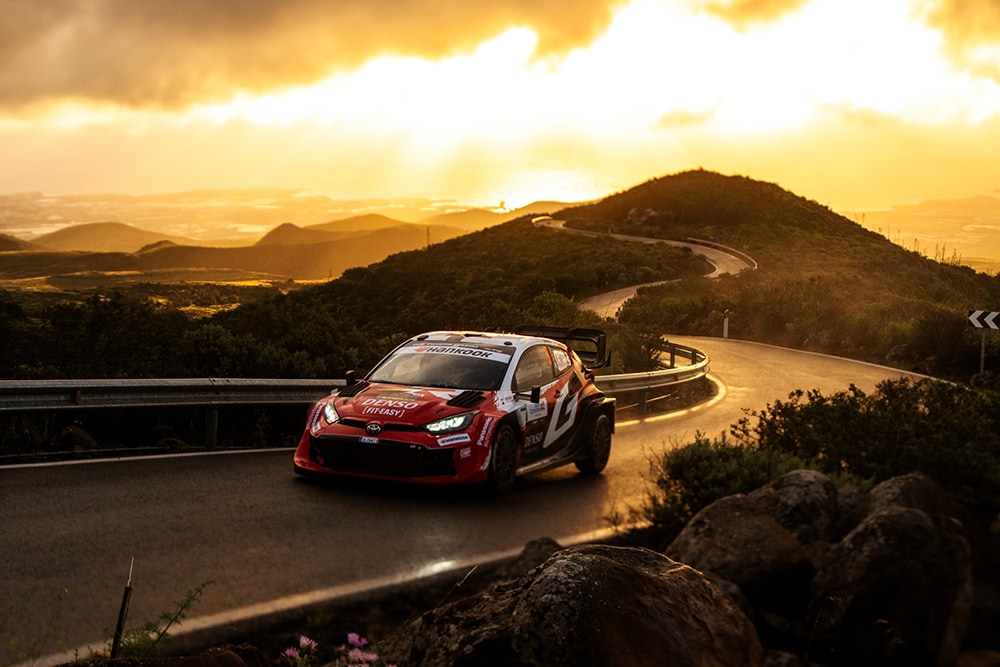
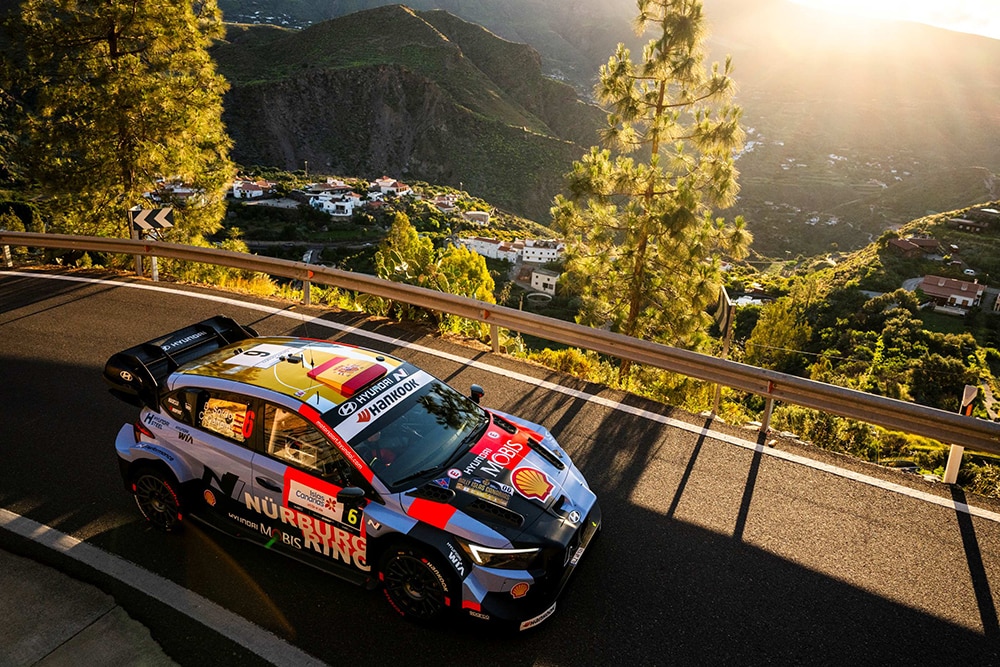
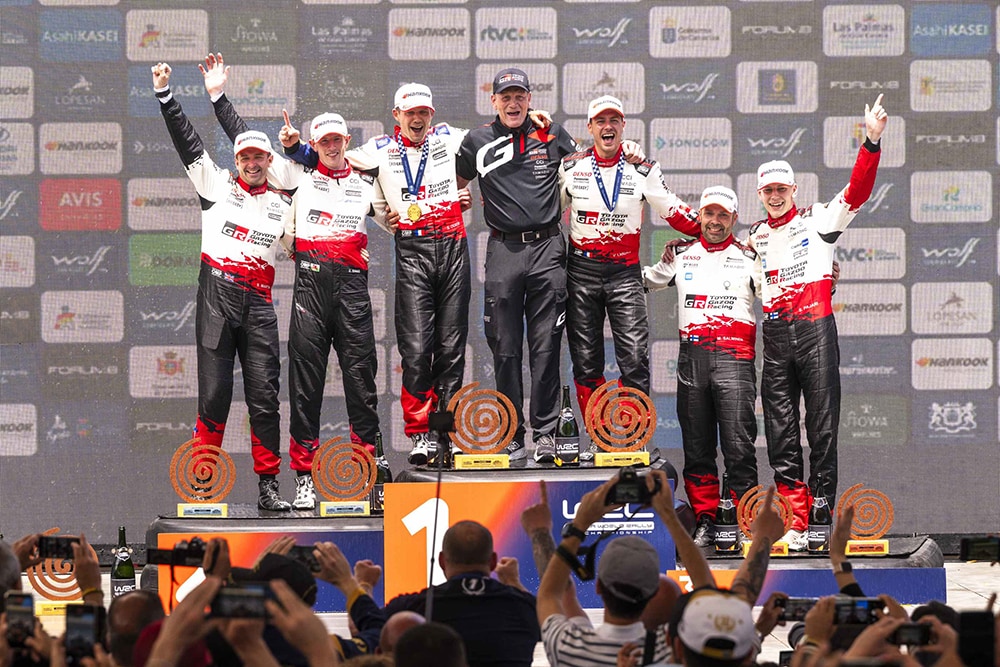
Hankook’s tyres provided reliable grip and control at high speeds and through continuous cornering, helping drivers maintain stability on the technical routes. Sébastien Ogier of TOYOTA GAZOO Racing secured his first win of the season, leading a team podium sweep. In the Drivers’ Championship, Elfyn Evans leads with 101 points, followed closely by Takamoto Katsuta on 99.
The 2026 WRC season now moves to Round 6, Vodafone Rally de Portugal, from 7 to 10 May in northern Portugal, a demanding event mostly on unpaved surfaces. Hankook will operate a ‘Brand World’ booth in the service park there, using motorsport content and hands-on experiences to promote its premium image. As exclusive WRC tyre supplier since 2025, Hankook continues integrating data from over 70 global championships into R&D, advancing high-performance tyre technology and the Ventus brand’s global leadership.
Continental’s Aero 111 Tyre Now Available In Wider 32 mm Size For Enhanced Comfort And Speed
- By TT News
- August 25, 2026
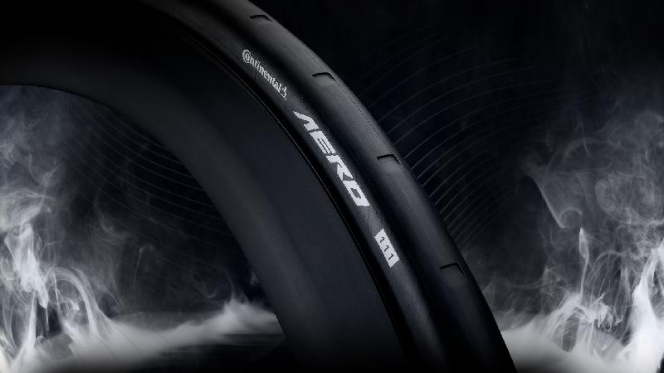
Continental has introduced a 32-mm variant of its Aero 111 road tyre, expanding the range of its most aerodynamically advanced model. Developed in partnership with Swiss Side, this wider version aims to deliver the same drag-reducing performance while catering to cyclists seeking a combination of speed and improved comfort on demanding surfaces.
The tyre’s aerodynamic efficiency is achieved through a patented tread pattern featuring 48 precision cavities that function as vortex generators. This design manipulates airflow around the front wheel to delay separation, maintaining optimal performance across varying wind angles. The result is a significant reduction in drag and an enhanced sailing effect, allowing for greater forward propulsion with reduced rider effort.
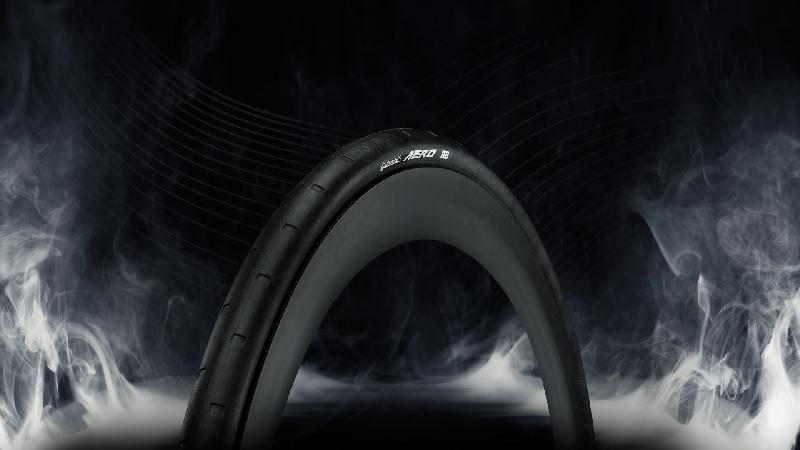
Despite its broader profile, the tyre maintains its speed and durability credentials through Continental’s BlackChili compound, ensuring low rolling resistance and dependable grip in all conditions. Protection is provided by the Vectran Breaker layer, and the tubeless-ready casing is compatible with hookless rims. Offered in black sidewall and three widths, the Aero 111 now serves a wider array of road cycling demands.
Hannah Ferle, Road Product Manager, Continental Tires, said, “With the addition of the 32 mm width, we truly are offering aero performance from every angle. Developing the Aero 111 alongside Swiss Side has allowed us to build a tyre like no other, one that performs across even the most demanding conditions. The Aero 111 has already proven the benefits of advanced airflow management, but this additional width allows us to bring those same aerodynamic gains and crosswind-taming technologies to the modern road cyclist who refuses to compromise on comfort.”
TyreSafe Issues Fresh Warning Over Widespread Part-Worn Tyre Dangers
- By TT News
- August 25, 2026
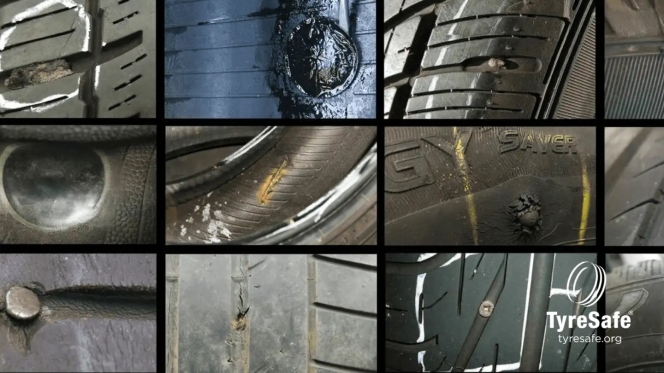
TyreSafe has issued a fresh warning to UK motorists regarding the persistent dangers of part-worn tyres, drawing on the findings of recent multi-agency enforcement operations. The safety charity has underscored that despite ongoing efforts to regulate the sector, significant compliance failures continue to place drivers at risk. These concerns are based on collaborative inspections conducted over the past year with Trading Standards, police forces and local authorities, which have revealed systemic issues within the market.
Enforcement actions in Norfolk and Lancashire have exposed alarming deficiencies in the safety and legality of part-worn tyres on sale. In Norfolk, an inspection of nearly 200 tyres across several retail outlets found that over a third were in a dangerous condition, featuring exposed cords, structural damage and inadequate repairs. Remarkably, only a single tyre out of the entire batch satisfied all legal requirements, leading to the immediate removal of unsafe products and subsequent enforcement measures against non-compliant sellers.
Parallel operations in Lancashire painted an equally concerning picture, where none of the 30 part-worn tyres examined met the mandatory legal standards. Every tyre inspected failed to display the compulsory ‘PART-WORN’ marking, and many exhibited serious defects such as embedded objects, sidewall damage and substandard repairs. These discoveries have prompted ongoing engagement with businesses to encourage better practices, though the overall findings highlight a widespread disregard for established safety protocols.
In response to the enforcement outcomes, TyreSafe has noted that educational initiatives have yielded some positive changes among retailers. Certain businesses have enhanced their understanding of legal obligations, reduced their stock of part-worn tyres or transitioned to offering new budget alternatives. Nevertheless, the charity maintains that part-worn tyres remain a high-risk category, as compliance is not uniformly observed, leaving consumers vulnerable to products with undocumented histories and hidden structural weaknesses that are not always visible during a casual inspection.
The organisation has emphasised the critical distinction between tyres fitted to used vehicles and those sold as standalone part-worn products. While the former are acquired as part of a complete car purchase, the latter are individual items whose safety and legality depend entirely on the retailer’s diligence. TyreSafe has reiterated that these tyres must meet strict legal criteria, including a minimum tread depth of two millimetres, successful pressure testing and freedom from cuts or bulges, yet enforcement shows these rules are frequently ignored.
Motorists are being strongly urged to exercise caution and prioritise their safety by sourcing tyres from reputable suppliers and conducting regular checks on air pressure, condition and tread depth. TyreSafe has highlighted that opting for part-worn tyres on cost grounds can prove false economy, given their reduced lifespan and elevated risk of sudden failure. The charity continues to advocate for new tyres as the safest choice, stressing that the unknown history of part-worn products can have dire consequences in real-world driving conditions.
Stuart Lovatt, TyreSafe Chair, said, “Our recent education and enforcement activity revealed a deeply concerning picture of tyre safety on UK roads. Too often, part-worn tyres are being used as a dangerous short-term fix rather than a safe, compliant solution. We encountered vehicles fitted with severely aged tyres that should have been removed from service years ago, alongside single-tyre replacements fitted purely to secure an MOT pass. This creates highly unstable and potentially dangerous combinations, including mismatched summer and winter tyres on the same axle, which can seriously compromise braking and handling. Perhaps most alarming, none of the part-worn tyres we inspected carried the legally required ‘PART-WORN’ marking, highlighting a serious lack of compliance and leaving motorists unknowingly exposed to unsafe and unverified products.”
- Yokohama Rubber
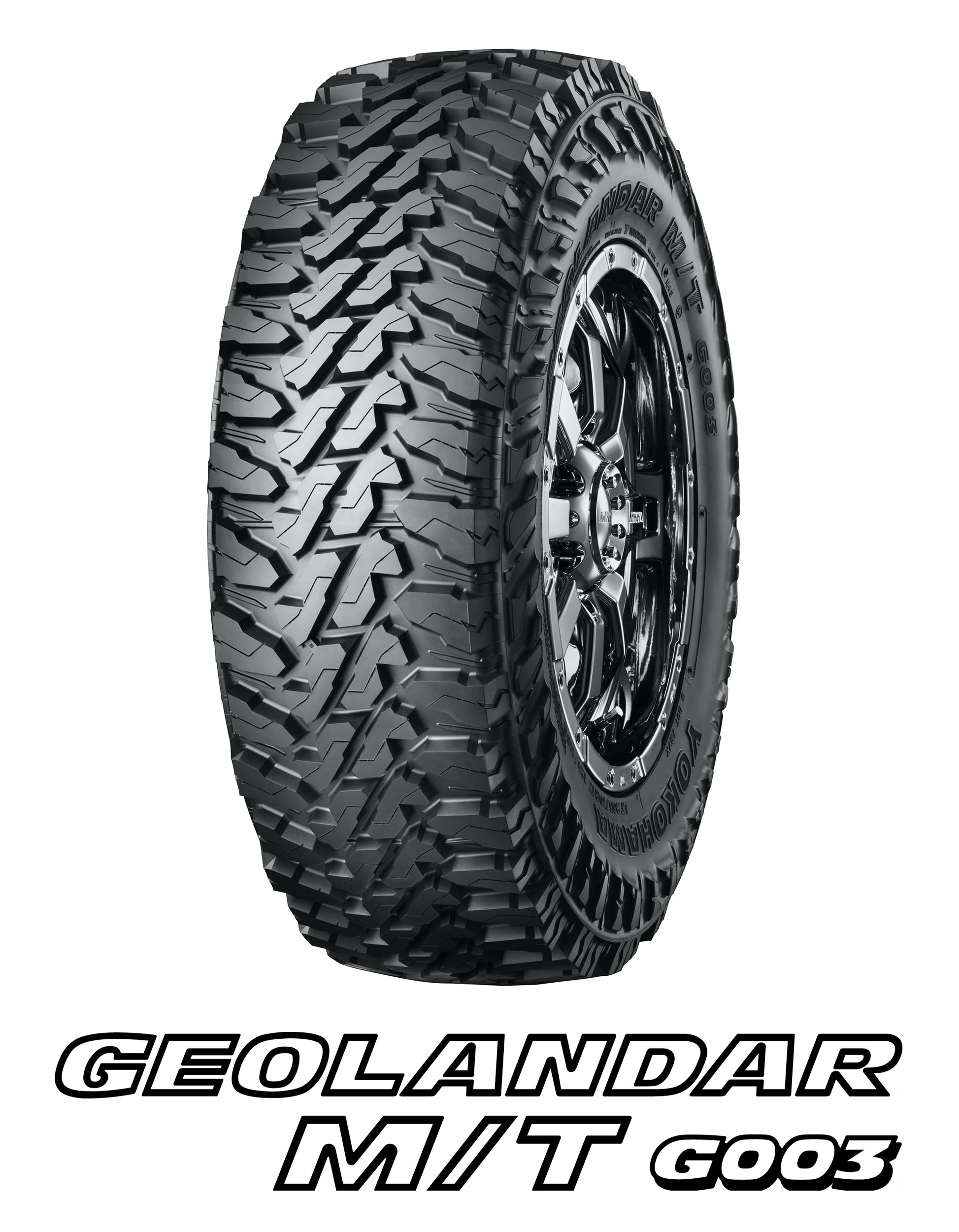
- Yokohama GEOLANDAR M/T G003
- Team Mitsubishi Ralliart
- Mitsubishi Triton
- Asia Cross Country Rally
- AXCR
Yokohama GEOLANDAR Tyres Propel Mitsubishi Triton To Second Straight AXCR Victory
- By TT News
- August 25, 2026
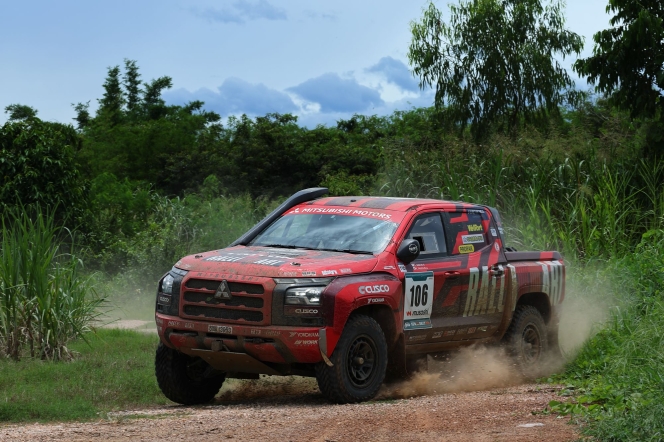
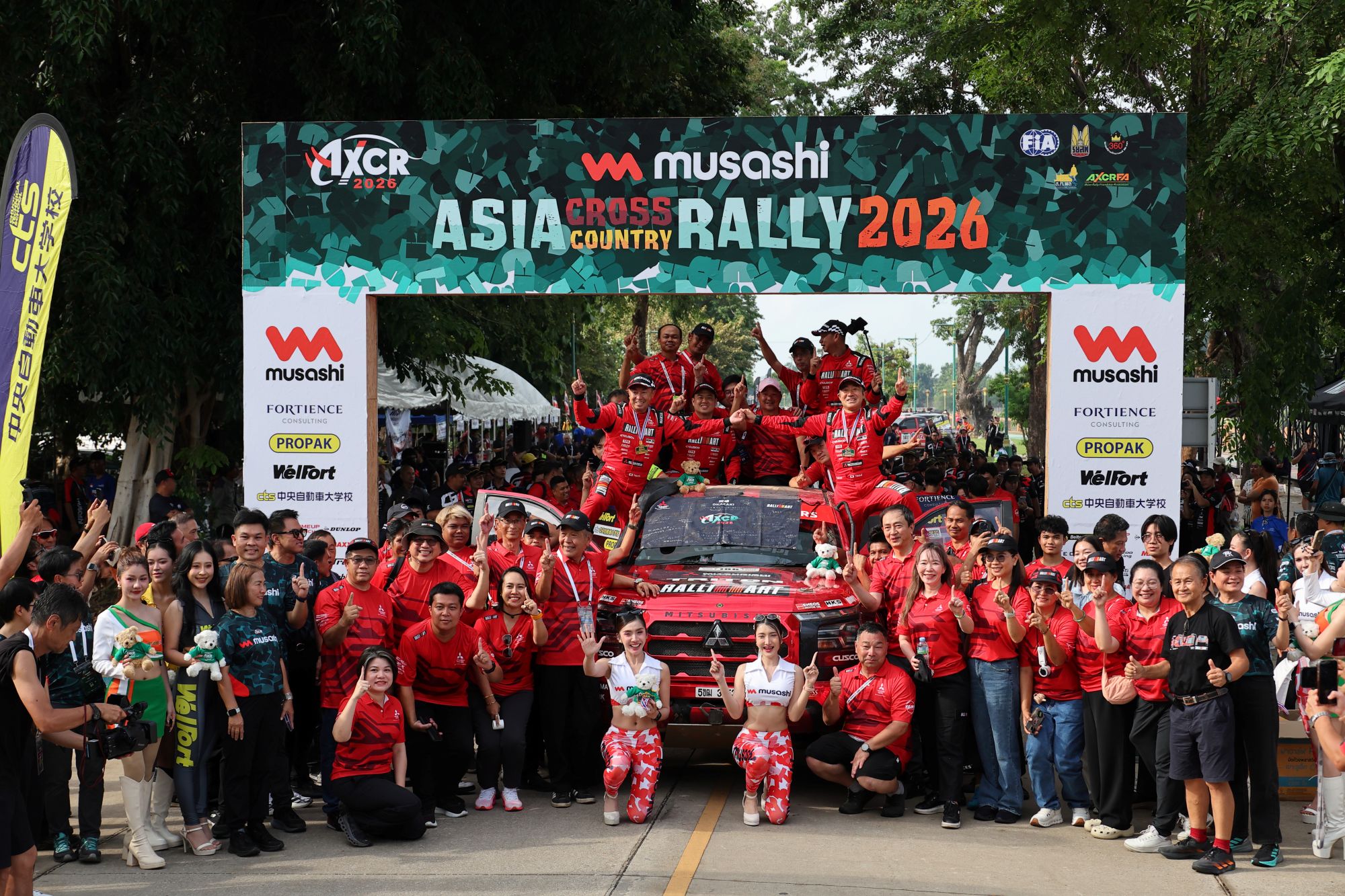
The Yokohama Rubber Co., Ltd. has announced that a Mitsubishi Triton pickup truck, fitted with its GEOLANDAR M/T G003 mud-terrain tyres, secured the overall championship at the 2026 Asia Cross Country Rally (AXCR). The event took place entirely within Thailand from 10 to 15 August. This victory marks the second consecutive overall win for a Mitsubishi Triton utilising Yokohama’s GEOLANDAR tyres, adding to previous titles in 2022, 2023 and 2025.
The triumphant vehicle was fielded by Team Mitsubishi Ralliart, with lead driver Katsuhiko Taguchi and co-driver Takahiro Yasui at the helm. After third-place finishes in the opening two legs, the pair surged to the front by clocking the fastest time in Leg 3. They maintained their advantage through Legs 4 and 5, the latter being the pivotal YOKOHAMA RUBBER SS5 stage. A careful, puncture-free drive in the final Leg 6 allowed them to finish 2 minutes and 25 seconds ahead of their nearest rivals, securing their first overall AXCR title.
Five of the first 10 finishers were equipped with GEOLANDAR tyres, including the third-place Isuzu D-Max from the ISUZU SUPHAN TRANE TITANIUM YOKOHAMA NEXZTER RALLY TEAM. The GEOLANDAR CTS Rally Team’s Suzuki JIMNY SIERRA, piloted by the Japanese female duo of Koto Haneda and Momo Tsukishima, achieved 19th place overall, second in the T1G class and victory in the ladies' division.
The GEOLANDAR M/T G003 tyre is engineered for superior off-road performance and durability. The AXCR, an FIA-sanctioned event since 1996, covered approximately 2,000 kilometres from Pattaya to Phitsanulok through mountains, jungles and plantations, further validating the capability of Yokohama’s tyre technology.
Hiroshi Masuoka, Director, Team Mitsubishi Ralliart, said, “Again this year, Team Mitsubishi Ralliart selected Yokohama Rubber’s GEOLANDAR M/T G003 tyres for our Tritons entered in the AXCR. This year, Chayapon’s vehicle was the only one that suffered a tyre puncture. A flat tyre can make it difficult for drivers to attack the course with confidence, which greatly affects the flow of the rally. Amid a very tough battle, I think the Taguchi/Yasui team’s ability to drive stably and complete the rally without a single puncture contributed greatly to their overall championship. The GEOLANDAR M/T G003’s highly stable performance supported that victory at this year’s AXCR.”
Linglong Tire Hosts Real Madrid Legend Roberto Carlos For Strategic Headquarters Visit
- By TT News
- August 24, 2026
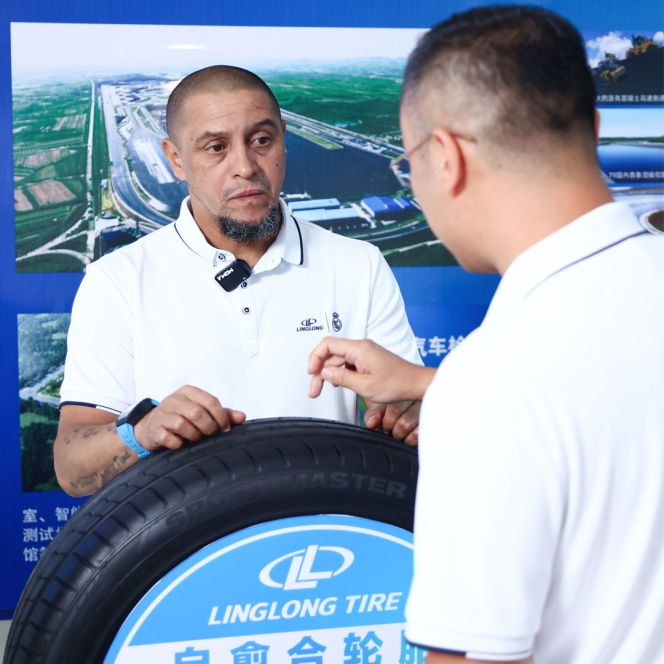
Linglong Tire hosted legendary Brazilian full-back Roberto Carlos at its headquarters in Zhaoyuan from 14 to 16 August 2026. The Real Madrid official ambassador’s visit included high-level meetings with the tyre manufacturer’s senior management, alongside engagements with key clients and commercial partners. His itinerary featured a comprehensive tour of the company’s primary production facility and an in-depth briefing on its smart manufacturing systems.
The former Real Madrid star explored the firm’s research and development centre and evaluated the Sino-Asia test track, recognised as China’s largest and most advanced proving ground. Carlos expressed considerable admiration for the facility’s professionalism and scale, particularly noting the colossal 63-inch off-the-road tyre displayed at the headquarters. His schedule also included a panel discussion with Linglong Chairman Wang Feng and CEO Lingkun ‘Andy’ Zhou.
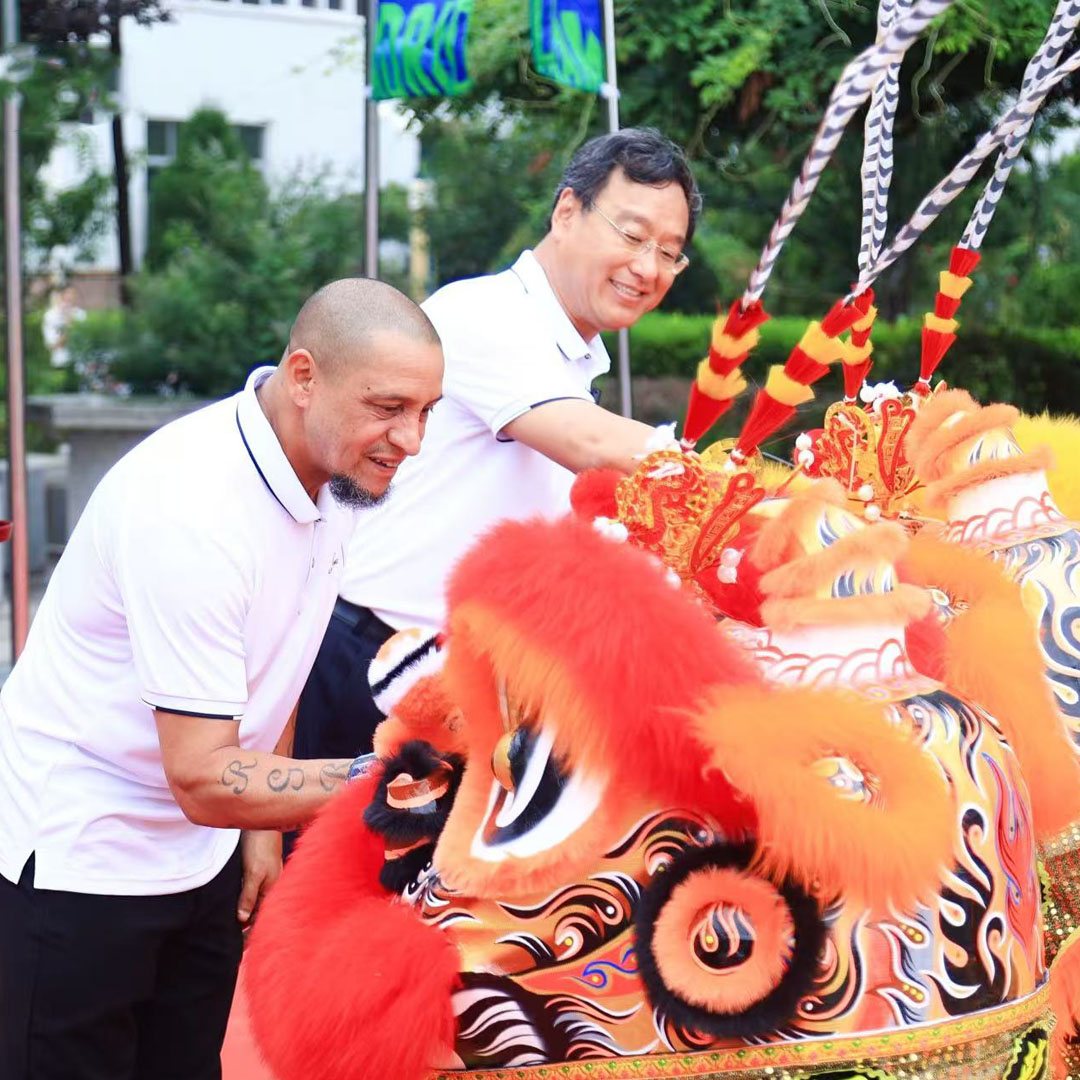
Linglong Tire has served as Real Madrid’s Global Tire Partner since 2024, a commitment that extends into the 2026/2027 season. The partnership is activated as the nine-time European champions prepare for their La Liga opener against Real Sociedad at the Santiago Bernabeu on 26 August. As part of the agreement, the Linglong brand secures prominent visibility on the stadium’s digital perimeter boards for all domestic league and cup fixtures.
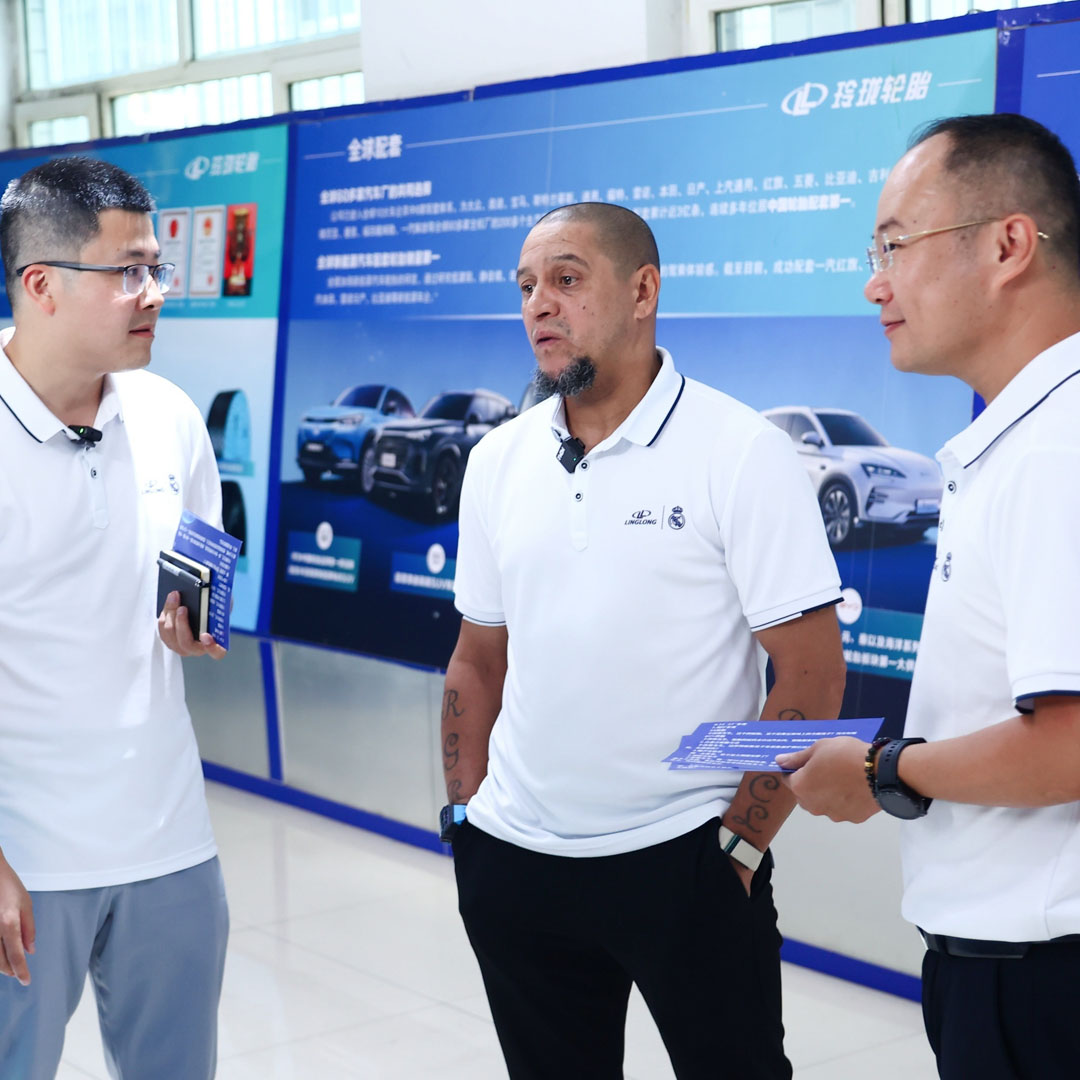
Additional sponsorship benefits include logo placement on partner boards and the official club website, along with VIP hospitality packages. The collaboration also features advertisements in Real Madrid’s digital and print publications, television spots on the club’s official channel and extensive integration into the club’s media activities, solidifying Linglong’s presence within the Spanish giants’ commercial framework.
Comments (0)
ADD COMMENT