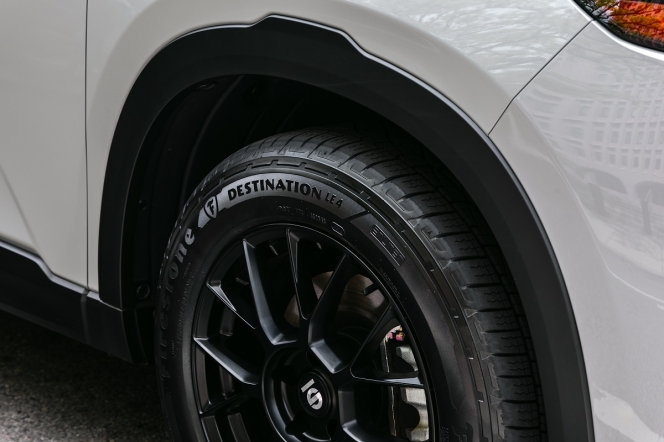
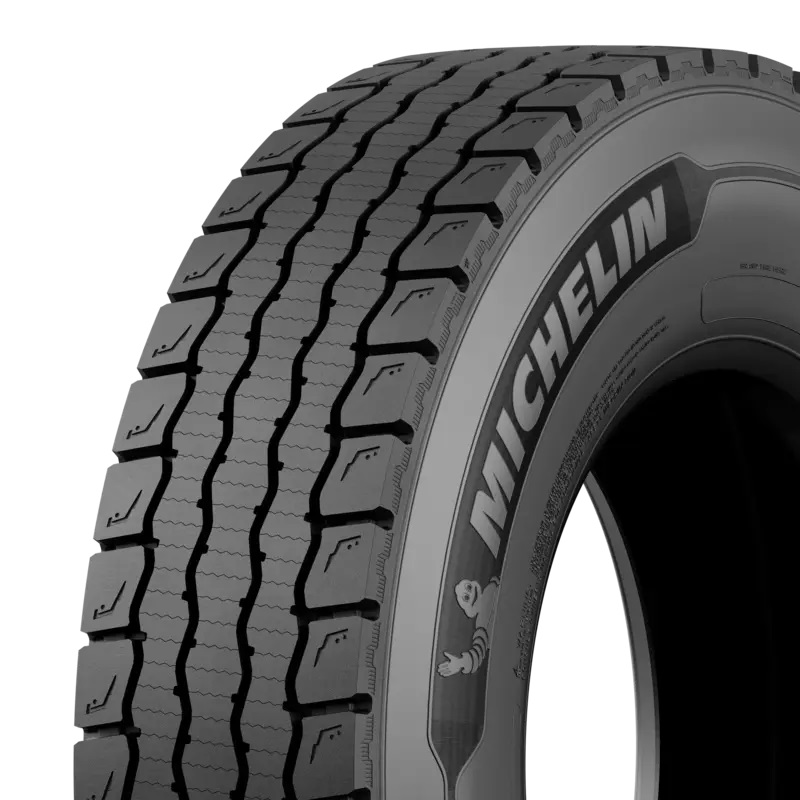
Firestone, a Bridgestone Americas subsidiary, has unveiled the Destination LE4 highway touring tyre as the successor to its best-selling Destination LE3. The new model features a deeper tread depth, an advanced compound and a non-directional tread pattern, delivering longer wear life along with improved wet and light snow performance for year-round driving confidence.
Backed by a 70,000-mile limited warranty, the Destination LE4 is projected in external testing to wear 16 percent longer than its predecessor, 9 percent longer than the General Grabber H/T and 43 percent longer than the BFGoodrich Advantage Control HT. Thinner 3D sipes enhance traction and handling, while internal testing showed wet stopping distances reduced by 8 feet versus the Toyo Open Country H/T II and 4 feet versus the BFGoodrich Advantage Ctrl HT, with dry stopping improved by 8 feet and 2 feet, respectively, plus a 2-foot dry gain over the LE3.
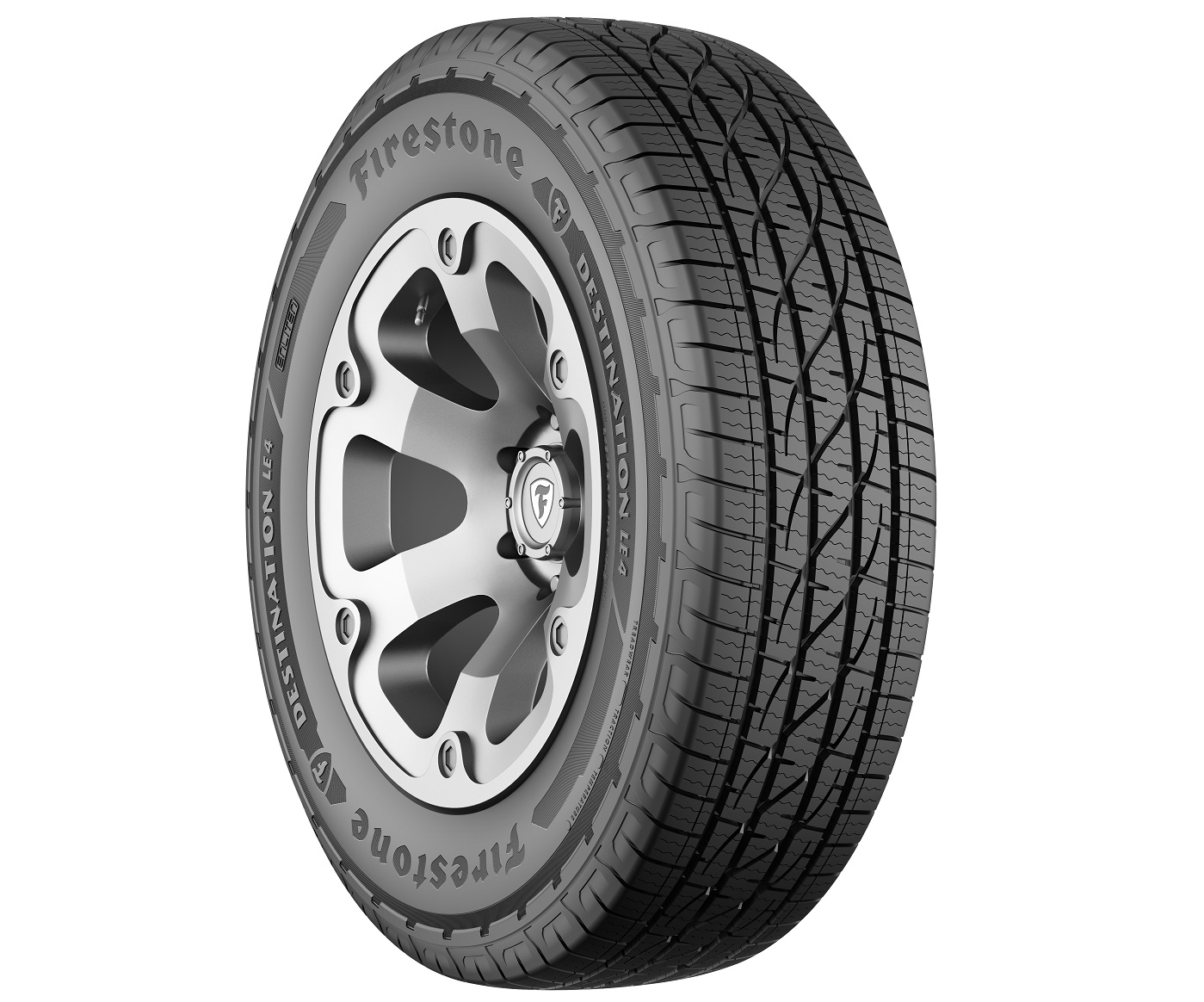
Sustainability gains come through wear-resistance technology, optimised material usage that lowers raw material consumption and enhanced traction technology. Two technical firsts originated at the Bridgestone Americas Technology Center in Akron, Ohio: a high-strength, lightweight carcass architecture using light body plies and steel cords for durability and low rolling resistance despite deeper tread, and advanced compound mixing that improves ingredient consistency for tread wear, handling and wet grip.
Available in 65 sizes for 15- to 22-inch rims, the Destination LE4 covers small CUVs, SUVs, pickups and larger trucks, including the Mazda CX-5, Ford F-150, RAM 1500, Chevrolet Trailblazer and Nissan Armada.
Jeremy Norwood, Chief Engineer, New Product Engineering, Bridgestone Americas, said, “Drivers loved the Firestone Destination LE3 for its comfortable, quiet ride and all-season reliability. With the new Destination LE4, we enhanced those strengths by extending wear life and improving wet-weather handling, delivering dependable performance, confident control and everyday value.”









Comments (0)
ADD COMMENT