

Michelin Gets India’s 5 Star Rating For Passenger Car Tyre Category
- By TT News
- June 22, 2022
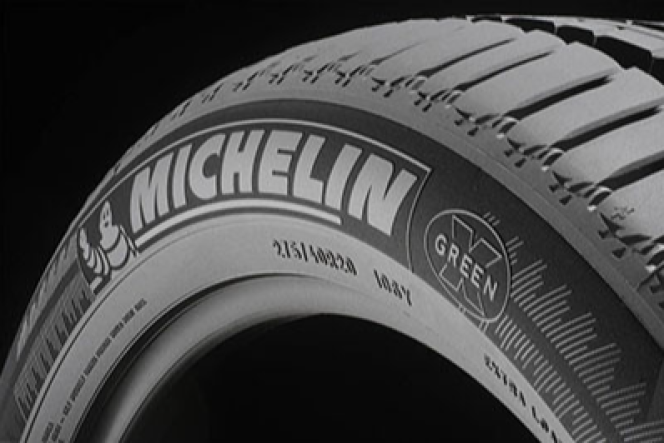
Michelin has become the first tyre brand in the passenger vehicle segment in India to be accredited with the newly introduced star labelling program by the Government of India. The company said in a statement that Michelin Latitude Sport 3 and Michelin Pilot Sport 4 SUV tyres receiving 5 Star rating is a real endorsement of its commitment to offering the best of global sustainable technology and state-of-the-art products to its Indian customers. Recently, Michelin became the first brand in India to receive 4 Star rating by the Bureau of Energy Efficiency (BEE) for its made in India commercial vehicle tyre Michelin X Multi Energy Z.
Manish Pandey, Commercial Director B2C for India Region said, “At Michelin, we believe that for mobility to have a future, it will have to be increasingly eco-friendly, efficient, safe and accessible. After receiving the first 4-Star label for our commercial vehicle tyre recently, we are thrilled to be recognised once again with India’s first 5 Star rating for two of our most popular passenger car tyre-lines in India. For our brand, this first 5 Star rating will add greater confidence among our customers, where they will be better placed to select tyres that are fuel-efficient, safe and contribute to decreasing carbon footprint in the country. We are dedicated to offering our Indian customers the most advanced technology best tailored to keep them safe, comfortable, and efficient on Indian roads.”
The government of India continues to make consistent efforts towards infrastructure development, with the pace of national highway (NH) construction in the country touching a record 37 km per day in 2020-21. To make these roads safer and drives more efficient, comfortable, and confident, the tyre industry has played a crucial role, with consistent efforts towards creating a more innovative contribution to the industry. As part of an ambitious road map by the Ministry of Power and Ministry of Petroleum and Natural Gas for a smooth transition towards green mobility, a final notification was published in 2021, proposing that the tyres of cars, buses, and trucks meet requirements of rolling resistance and wet grip as specified in BEE Schedule 30 based on Stage-I of the Automotive Industry Standards (AIS). Under this process, Michelin India is one of the first brands to register for both commercial vehicle as well as passenger car segment and was subsequently awarded India's first 5 Star rating for Michelin Latitude Sport 3 and Pilot Sport 4 SUV tyres.
The new regulations will demand that all tyres sold in India meet crucial performance and safety standards such as rolling resistance and wet grip. When this regulation becomes mandatory, all domestic and foreign manufacturer and importers of truck, bus and passenger car tyres will be required to attribute BEE star label to tyres sold in India.
Michelin Latitude Sport 3 is the third generation of Latitude on-road SUV tyres from Michelin’s global line-up.
The tyres are uniquely designed to offer the best in the segment, driving
experience, better performance in terms of fuel consumption and an outstanding grip on all types of terrains. It provides better road grip on wet roads with minimal roll resistance, adding to better fuel efficiency. The tyre's exceptional design offers a high level of comfort and maximum torque transfer while braking or accelerating, thus improving steering precision, the release said.
Michelin said its Pilot Sport 4 SUV tyre is a high-performance, premium SUV tyre developed to deliver unlimited driving pleasure, excellent longevity, impressive braking performance, and dynamic handling.
AIS conducts star labelling test on tyres on various aspects, such as testing of rolling resistance coefficient and wet grip index. The rolling resistance coefficient test is done on the rolling ratio to the tyre's load. In contrast, the wet grip Index test is done on parameters of the ratio between performance of the candidate tyre and the performance of the standard reference test tyre. Each test must meet the minimum threshold for each star rating band. 5 Star category has a lower limit of 0 kg/tonne and an upper limit of 8 kg/tonne.
A 5 Star product, on average, consumes up to 9.5 per cent less fuel when compared to any other lower star-rated tyre, co-relating to lesser greenhouse gas emissions, a significant cause of global warming. On an average, there would be up to 750 kg less Co2 emissions when you switch to a 5-star product vs a lower-star rated tyre. As the fuel prices across the globe remain volatile, consumer can save a significant amount of money by switching to 5-star rated tyres, the release added. (TT)
Birla Carbon To Showcase Sustainable Carbon Black Solutions At Global Polymer Summit 2026
- By TT News
- September 18, 2026
Birla Carbon will present its carbon black solutions at the Global Polymer Summit 2026, scheduled for 28–30 September at the Kentucky International Convention Center in Louisville. The company will exhibit at Booth 417, targeting tyre and mechanical rubber goods (MRG) manufacturers seeking higher performance and reduced environmental impact.
The company’s portfolio spans tyre and MRG applications, addressing durability, strength, abrasion resistance and product life across tyres, belts, hoses, sealing systems and anti-vibration products. Birla Carbon will also feature Continua Sustainable Carbonaceous Material (SCM), a circular carbon range with consistent quality and global availability and Continua Sustainable Carbon Black (SCB), produced from recycled or bio-based feedstocks.
Supported by extensive manufacturing, technical expertise and customer-focused teams across the Americas, Birla Carbon provides reliable volumes, responsive service and tailored solutions. Attendees can meet company experts at Booth 417 to explore its product portfolio, technical capabilities and sustainable offerings.
John Davidson, President – Americas & EMEA, Birla Carbon, said, “The tyre and mechanical rubber goods industries are at an important phase, where performance, supply resilience and sustainability must advance together. The next phase of growth will depend on stronger collaboration across the value chain and the ability to translate innovation into scalable, commercially viable solutions. At Birla Carbon, we are combining our manufacturing network, portfolio strength, technical expertise and regional capabilities to help customers navigate this transition and build more resilient and sustainable businesses.”
Michelin Launches X Multi Energy D2 Tyre For Regional Haul Fleets
- By TT News
- September 18, 2026
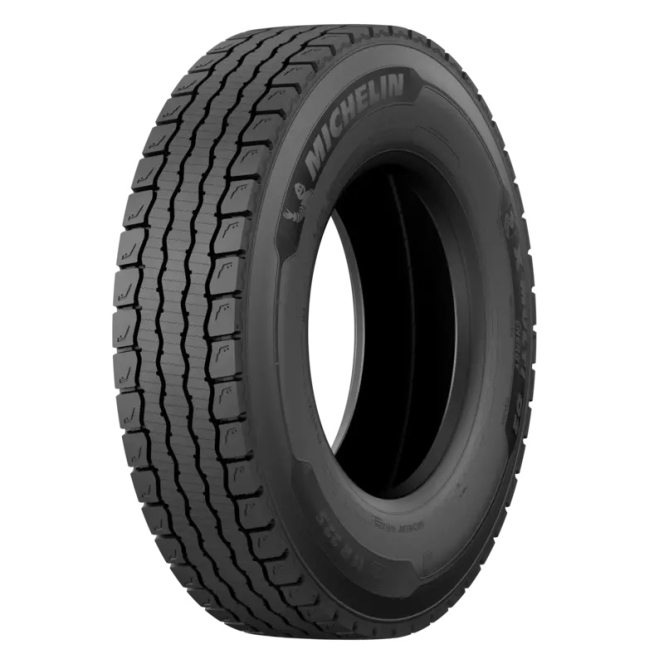
Michelin has unveiled the X Multi Energy D2 tyre, developed to address the specific challenges of regional haul operations. Fleets in this segment face demanding roads, frequent stop-and-start cycles and escalating fuel expenses that affect both performance and profitability. By blending durability, fuel savings and Michelin’s established performance standards, the new tyre aims to boost fleet productivity while reducing overall operating costs.
The tyre features a revised tread pattern and a new tread compound to better resist tread damage caused by high-torque vehicles and stop-and-go regional driving. It is constructed on Michelin’s Duracore casing, which integrates Infinicoil and Powercoil technologies and benefits from a reinforced bead design known as Duracoil Technology. This casing is engineered to last up to one million miles and support as many as four retreads.
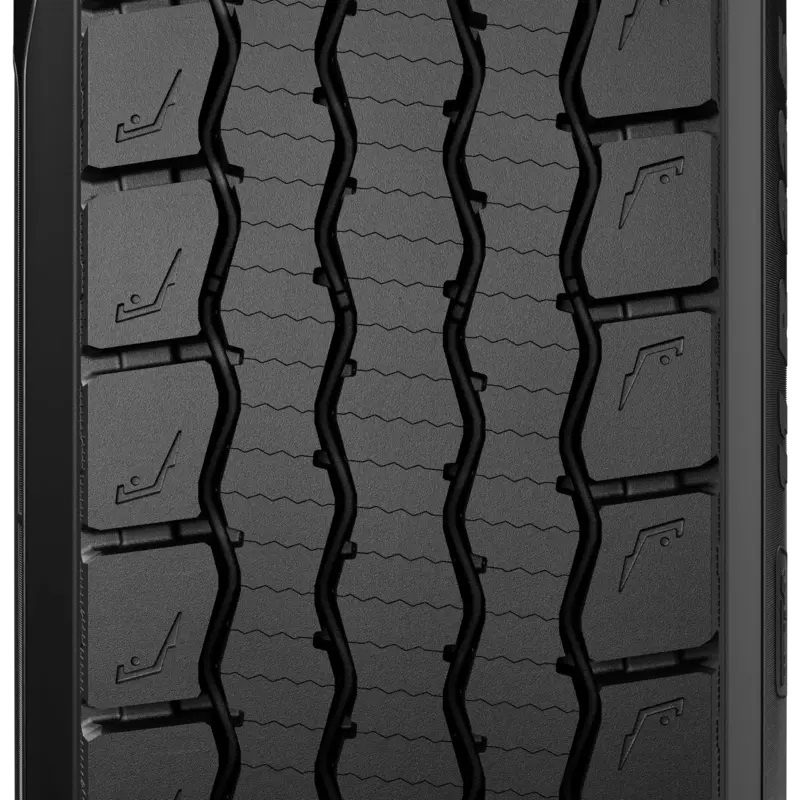
In the effort to curb fuel expenses, the X Multi Energy D2 improves rolling resistance by 9 percent over its predecessor, the Michelin X Multi Energy D tyre, and by 18 percent compared with leading competitors. It also enhances late-life traction, offering 10 percent better wet handling and 16 percent better snow starting traction when worn, giving drivers and operations managers greater confidence on varying roads.
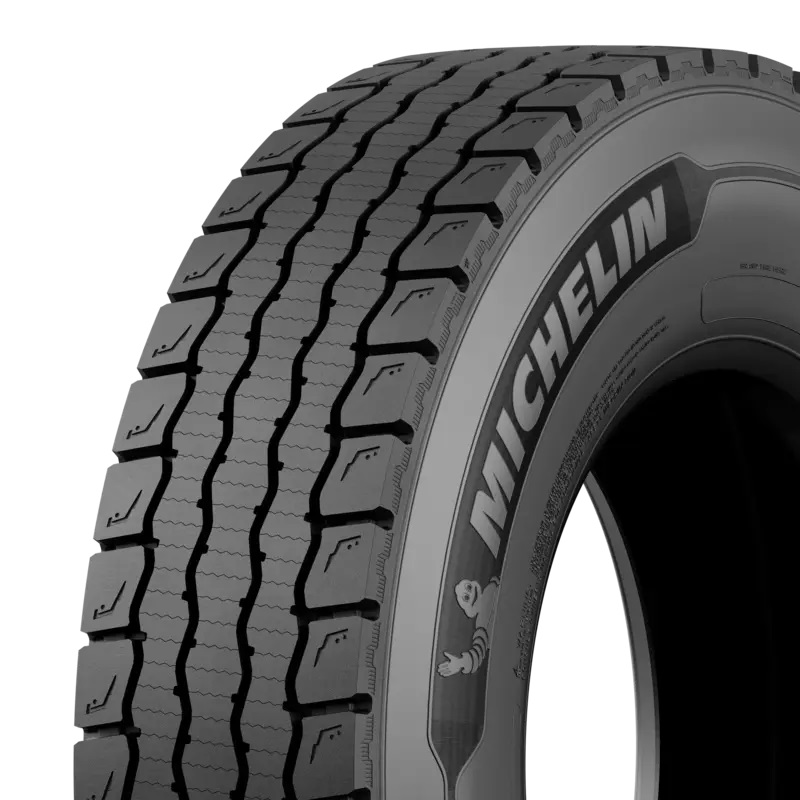
For original equipment manufacturers, the tyre meets Greenhouse Gas standards and supports applicable vehicle carbon-reduction requirements. Designed for regional applications where traction, durability and fuel efficiency matter, it is available in 295/75R22.5 LRG and 11R22.5 LRG and LRH sizes, replacing the X Multi Energy D tyre in those sizes.
Yahn Heurlin, VP of B2B Marketing, Michelin North America, Inc., said, “Michelin is driven by a deep commitment to understanding the needs and challenges customers face every day. This customer-first mindset inspires the development of purpose-built solutions designed to address real-world pain points and help fleets operate more efficiently.”
Firestone Launches Destination LE4 Highway Touring Tyre
- By TT News
- September 18, 2026
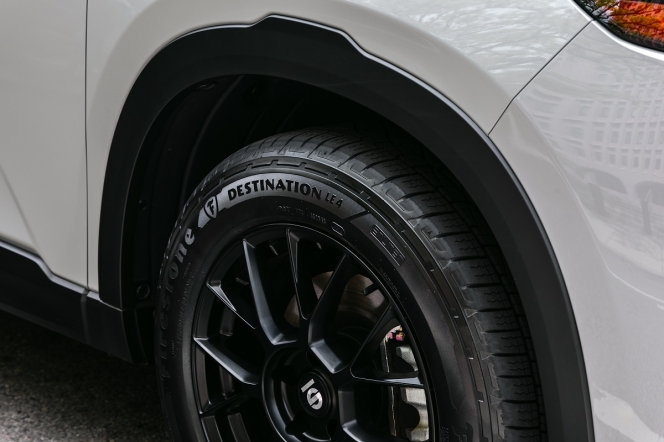
Firestone, a Bridgestone Americas subsidiary, has unveiled the Destination LE4 highway touring tyre as the successor to its best-selling Destination LE3. The new model features a deeper tread depth, an advanced compound and a non-directional tread pattern, delivering longer wear life along with improved wet and light snow performance for year-round driving confidence.
Backed by a 70,000-mile limited warranty, the Destination LE4 is projected in external testing to wear 16 percent longer than its predecessor, 9 percent longer than the General Grabber H/T and 43 percent longer than the BFGoodrich Advantage Control HT. Thinner 3D sipes enhance traction and handling, while internal testing showed wet stopping distances reduced by 8 feet versus the Toyo Open Country H/T II and 4 feet versus the BFGoodrich Advantage Ctrl HT, with dry stopping improved by 8 feet and 2 feet, respectively, plus a 2-foot dry gain over the LE3.
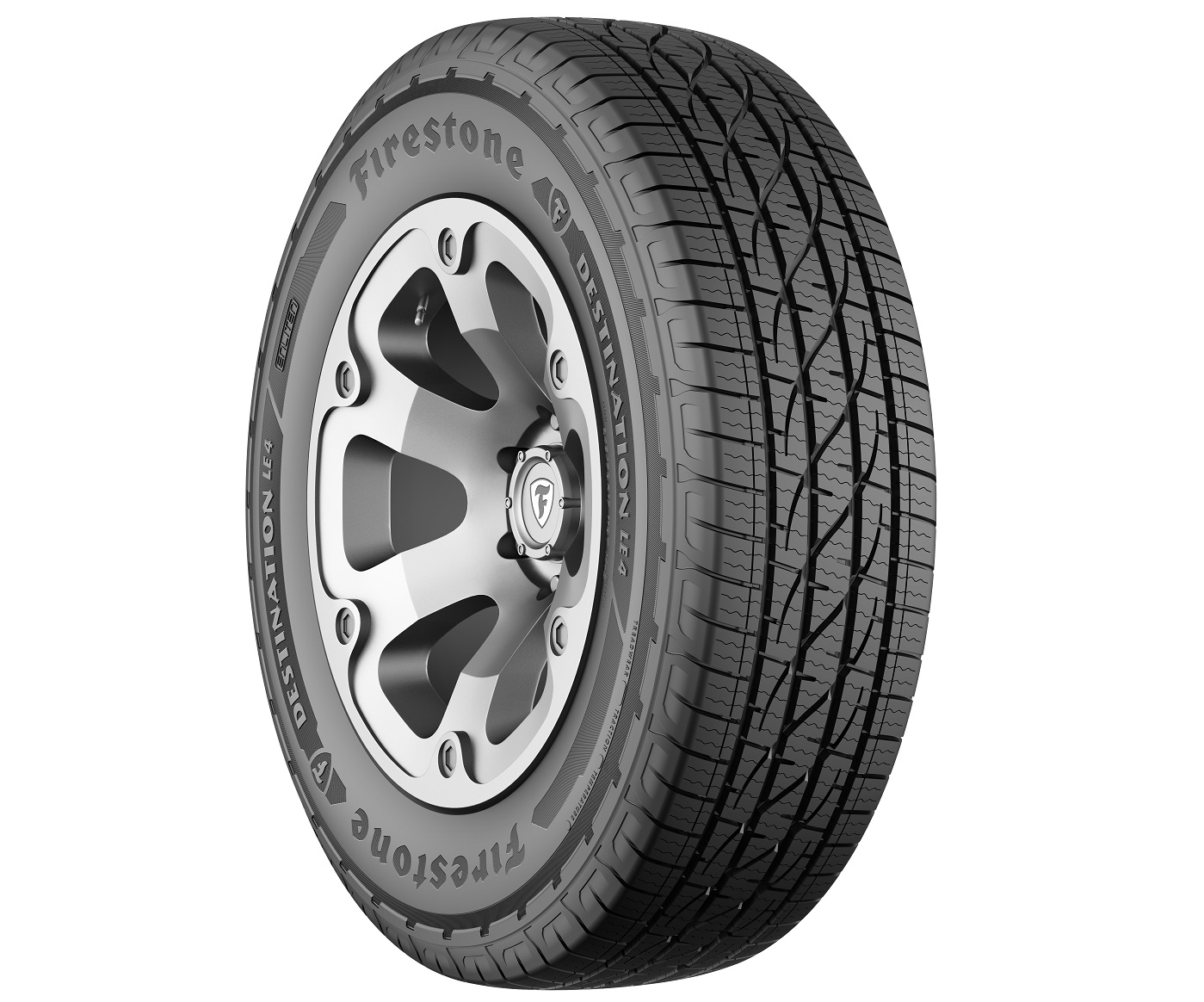
Sustainability gains come through wear-resistance technology, optimised material usage that lowers raw material consumption and enhanced traction technology. Two technical firsts originated at the Bridgestone Americas Technology Center in Akron, Ohio: a high-strength, lightweight carcass architecture using light body plies and steel cords for durability and low rolling resistance despite deeper tread, and advanced compound mixing that improves ingredient consistency for tread wear, handling and wet grip.
Available in 65 sizes for 15- to 22-inch rims, the Destination LE4 covers small CUVs, SUVs, pickups and larger trucks, including the Mazda CX-5, Ford F-150, RAM 1500, Chevrolet Trailblazer and Nissan Armada.
Jeremy Norwood, Chief Engineer, New Product Engineering, Bridgestone Americas, said, “Drivers loved the Firestone Destination LE3 for its comfortable, quiet ride and all-season reliability. With the new Destination LE4, we enhanced those strengths by extending wear life and improving wet-weather handling, delivering dependable performance, confident control and everyday value.”
Yokohama Rubber's Thai Subsidiary Earns Provincial CSR Honour
- By TT News
- September 18, 2026
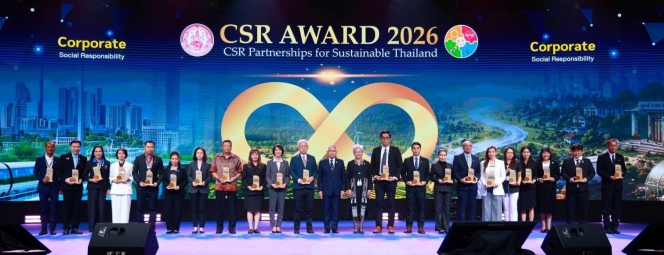
The Yokohama Rubber Co., Ltd. has announced that Y.T. Rubber Co., Ltd. (YTRC), its Thai subsidiary focused on natural rubber processing, earned the Outstanding Provincial-Level CSR Organization Award. The honour formed part of the ‘CSR Award 2026’ initiative run by Thailand’s Ministry of Social Development and Human Security, and the presentation took place on 22 August 2026.
Built around the idea of ‘CSR Partnerships for Sustainable Thailand’, the award programme highlights organisations demonstrating exemplary corporate social responsibility at provincial or metropolitan level throughout the country’s 76 provinces and Bangkok. A total of 92 recipients – among them YTRC, other firms and bodies chosen nationwide and provincial CSR centres – convened at IMPACT Challenger Hall in Nonthaburi Province to collect commemorative plaques.
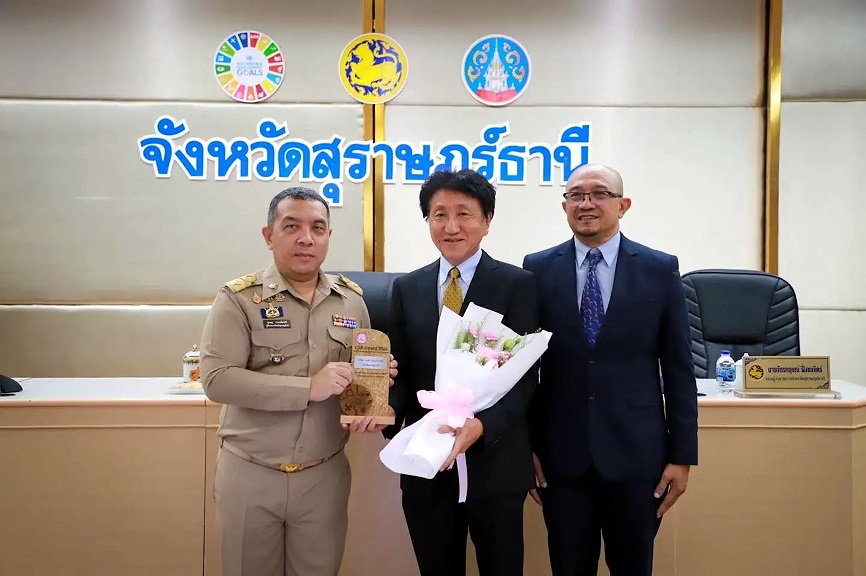
Governor Jumpot Wannachatsiri (left) presents flowers to YTRC Managing Director Noboru Takita (centre) and Department Manager Supachai Choosuwan at the Surat Thani Provincial Council.
YTRC, established in Surat Thani Province in 2008, has long pursued environmental preservation and dependable ties with nearby communities. Working with the Rubber Authority of Thailand (RAOT), it surveys natural rubber plantations and supplies management assistance to farmers, supporting sustainable procurement of the material. The company further backs agroforestry practices that give rubber farmers steadier incomes while partnering with the Surat Thani Provincial Office of Social Development and Human Security on efforts to nurture constructive community relations.
The recognition reflects YTRC’s continuous community-oriented CSR work and its notable local impact. A special event on 31 August saw the Surat Thani Provincial Council once more acknowledge those contributions, with the governor presenting a celebratory bouquet. Separately, the CSR Center of Surat Thani Province ranked among only nine centres nationwide to win the Outstanding Provincial CSR Promotion Center Award.

Comments (0)
ADD COMMENT